
Most enterprise security teams run their penetration tests like a checklist: probe one technique, mark it pass or fail, move on. But that is not how real attackers operate. According to The Hacker News, the dominant flaw in modern security validation is that organizations evaluate individual techniques in isolation rather than testing how those techniques link together into full attack chains — the actual sequences adversaries use to move from initial access to data exfiltration or system compromise. The difference between those two approaches is, increasingly, the difference between a company that detects a breach and one that reads about itself in a press release. For teams already grappling with AI-driven threat acceleration, that gap is widening fast.
The Hacker News report frames this as a structural problem in how organizations think about attack surfaces. A firewall rule might stop a known malicious payload at the perimeter. An endpoint detection tool might flag a suspicious process. But if neither system is tested against the sequential reality — where a phishing lure drops a loader, the loader quietly escalates privileges, and the escalated session then beacons out over a trusted cloud service — the individual controls look green while the actual kill chain runs undetected.

The Real-World Chain Defenders Are Missing
The numbers backing this argument are hard to dismiss. CISA’s vulnerability summary for the week of September 7, 2026 catalogued dozens of freshly disclosed CVEs spanning network appliances, cloud management platforms, and endpoint software — precisely the categories that show up as links in multi-stage attack chains. Each vulnerability, viewed alone, may carry only a medium severity score. Chained with a credential-harvesting technique and a lateral movement exploit already in an attacker’s toolkit, the combined risk profile escalates to critical. That is the math defenders keep getting wrong.
Adversaries have also started automating chain construction. Anthropic’s threat intelligence report documents attempts by malicious actors to use AI models to identify and sequence vulnerability combinations, effectively outsourcing the creative work of building attack chains to language models running reconnaissance at scale. The implication is direct: if attackers are now generating chained exploit sequences programmatically, defenses built around testing single techniques will fall further and further behind the operational tempo of a real campaign.
What a Chain-First Testing Model Actually Looks Like
The Hacker News piece argues that security teams need to reframe their validation programs around full attack scenarios, not technique libraries. That means running purple team exercises that walk an entire MITRE ATT&CK sequence — from initial access through persistence, privilege escalation, lateral movement, and exfiltration — rather than confirming that each individual tactic triggers a detection rule in isolation. It also means measuring dwell time and detection latency across the full chain, not just at the first point of contact. For enterprise teams trying to translate this into budget conversations, guidance on enterprise AI security offers a parallel framework for thinking about incident readiness across layered environments.
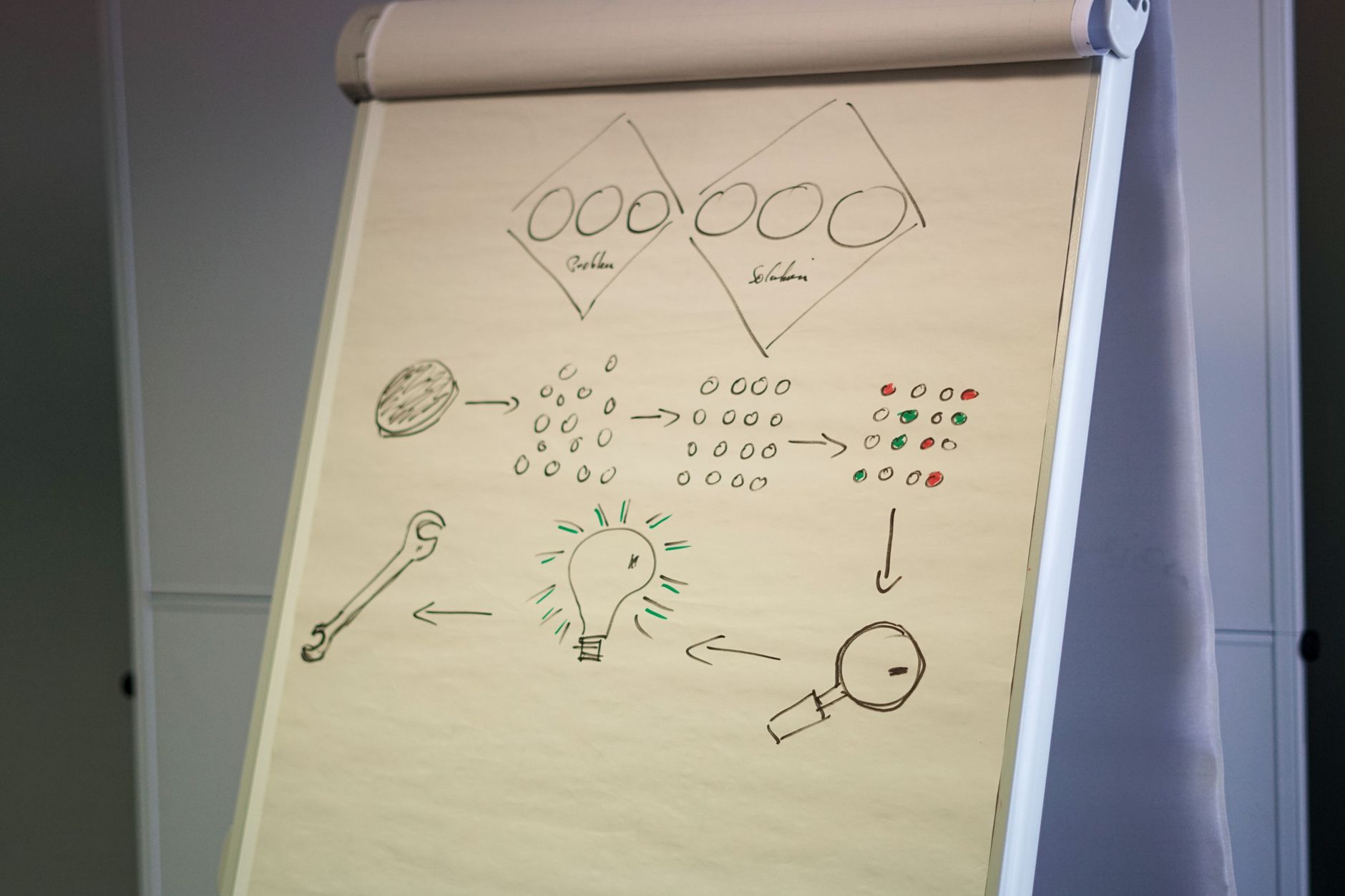
Implementation is not trivial. Chained testing requires coordination across red teams, blue teams, and the tool vendors whose products sit at different points in a potential kill chain. It demands shared telemetry and unified logging so that analysts can reconstruct a sequential attack narrative rather than isolated alert events. But the payoff is a security posture validated against the way threats actually arrive — not a sanitized lab version that keeps the controls looking clean while the adversary is already three hops deep into the network. Sensitive tech markets and critical infrastructure operators in particular can no longer afford the false confidence that single-technique testing provides. The chains are already being built. The question is whether defenses are being tested against them.