Picture the entire energy appetite of two of the world’s most industrialized economies — Germany and Japan — and then imagine a single sector inside the United States consuming more. That is the trajectory American data centers are now on, driven almost entirely by the explosive build-out of AI infrastructure. According to a TechCrunch report, US data centers could surpass the combined natural gas consumption of both nations before the end of the next decade. The scale is staggering, and the grid is nowhere near ready for it. This is the infrastructure reckoning the AI industry has been racing toward.
The numbers behind the projection are not subtle. Data center electricity demand in the US is expected to more than double by 2035, with natural gas emerging as the default fuel to fill the gap that renewables and nuclear cannot yet bridge at the required speed. Gas-fired peaker plants are being greenlit specifically to serve hyperscale campuses, and new pipeline capacity is quietly being negotiated in states where data center construction is moving fastest — Virginia, Texas, and Georgia chief among them.
A $110 Billion Power Problem With No Easy Fix
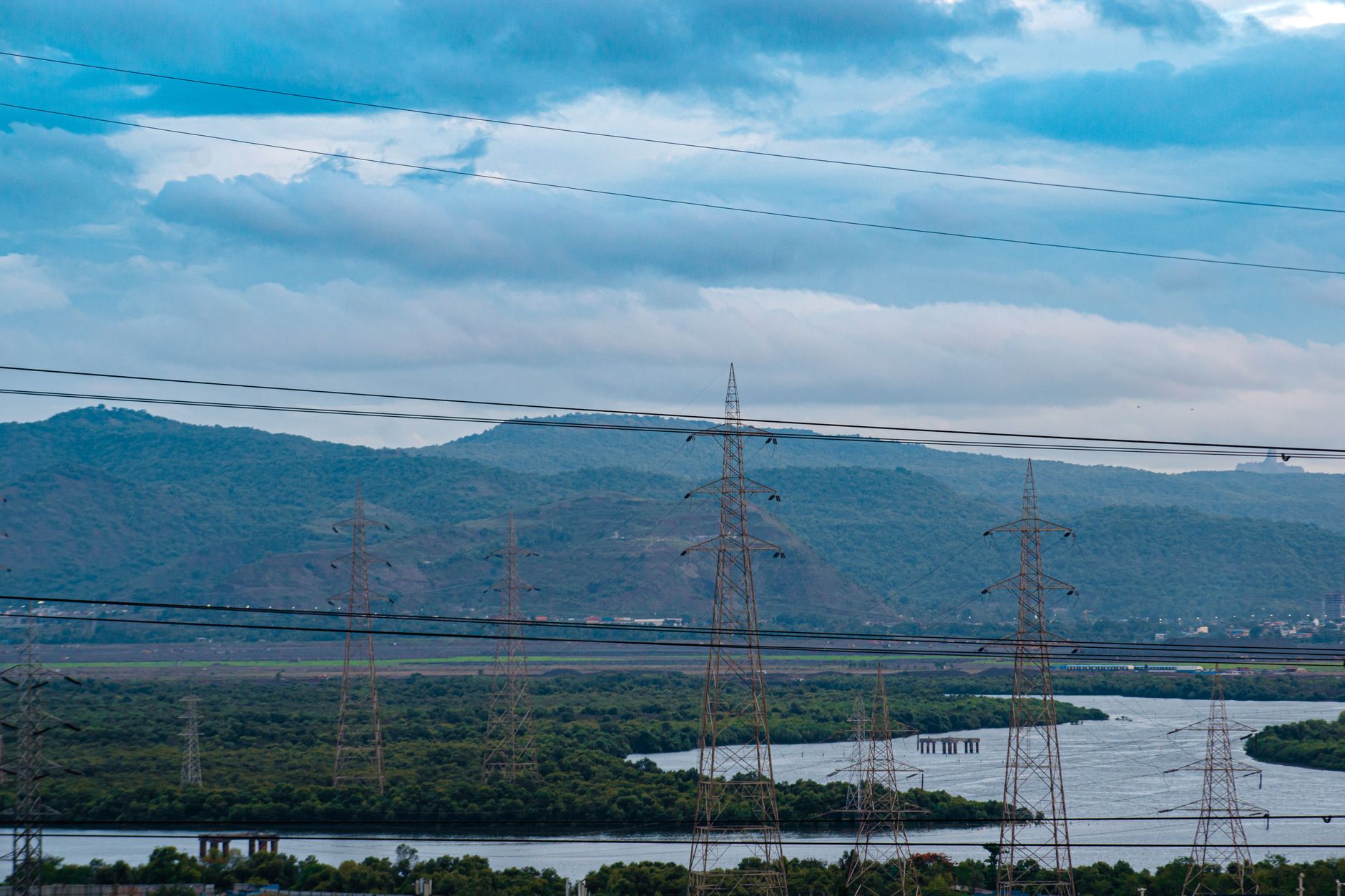
The financial pressure building behind this energy crunch is enormous. Moody’s analysis, reported by Bloomberg, estimates the US AI boom will require $110 billion worth of new power plants just to keep pace with projected demand. That figure covers generation capacity alone — it does not account for transmission upgrades, substation expansions, or the land and permitting fights that routinely add years to any infrastructure timeline.
Utilities are caught in a bind. Building new gas-fired generation is fast relative to nuclear and can be online within two to three years. But locking in that capacity now means committing to fossil fuel infrastructure that will still be operating in the 2040s, well past the window most climate targets require meaningful reductions. Some states are pushing back, demanding that data center operators prove demand before utilities approve new generation — but in the current AI arms race, operators are not inclined to slow down for regulatory deliberation.
The competitive dynamics make the situation harder to manage. Hyperscalers including Microsoft, Google, Amazon, and Meta are each independently racing to secure gigawatts of capacity, which means the market is not coordinating on efficiency — it is competing on speed. Every campus that comes online ahead of a rival’s is a strategic win, regardless of what fuel powers it.
What Comes Next for the Grid and the Climate Math
The natural gas projection is not inevitable, but reversing it requires moving faster on alternatives than the industry has shown it can. Small modular reactors remain years from commercial deployment at scale. Offshore wind buildout is lagging permitting timelines. Battery storage costs have dropped sharply but cannot yet backstop around-the-clock gigawatt-class loads economically.
That leaves a policy gap as much as a technology gap. Federal permitting reform could accelerate clean generation, but Washington’s attention to grid modernization has been inconsistent. Meanwhile, the AI infrastructure push at the executive level has largely framed speed as a national security imperative, which makes energy constraints feel like a secondary concern rather than a structural one.
What is clear is that the data center industry has graduated from being a footnote in US energy planning to being one of its defining variables. If the 2035 projections hold, natural gas producers will have found their most reliable new customer not in manufacturing or home heating, but in the server halls keeping large language models running around the clock. The energy transition and the AI boom are now in direct tension — and right now, the boom is winning.