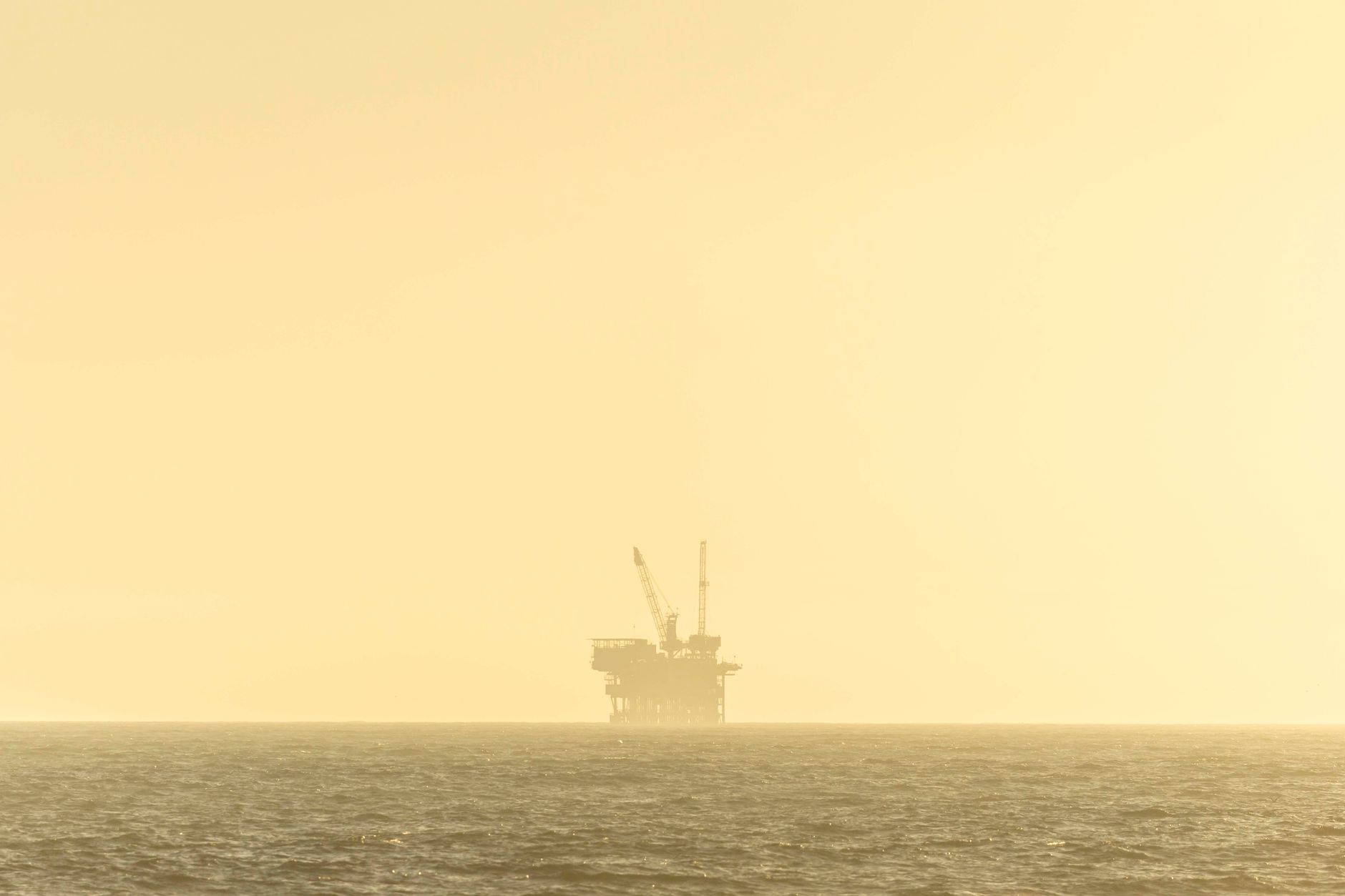
Navitas Petroleum is not sitting on its Shenandoah windfall. The Israeli-linked oil company is channeling strong cash flow from its deepwater Gulf of Mexico asset directly into an accelerated drilling program, doubling down on oil exploration at a moment when many peers are treading carefully. According to Calcalist Tech, the company is leveraging Shenandoah’s production returns to fund what amounts to a significant expansion of its upstream footprint. For anyone tracking how mid-sized energy players are reinvesting in hydrocarbons, this is a sharp move worth watching — and it connects to broader questions Future Wire has been tracking about Israel-linked investment strategies and how capital gets deployed across borders.
The Shenandoah field, located in the deepwater Gulf of Mexico, has been a cornerstone asset for Navitas, and its production economics appear healthy enough to justify the company going on offense. Rather than distributing profits or holding cash in reserve, Navitas is treating Shenandoah as a launchpad — using the revenue it generates to move aggressively into new drilling opportunities.
Shenandoah as the Engine, Not the Destination
What makes Navitas’s strategy notable is the deliberate use of one productive asset to fund the next phase of growth. Shenandoah has moved from being the company’s main event to functioning more like a cash engine — a revenue base that underwrites exploration risk elsewhere. This kind of internal capital recycling is exactly how disciplined upstream operators scale without constantly returning to equity markets or taking on debt at unfavorable terms.
The company’s approach reflects a broader reality in the oil sector: operators who locked in strong producing assets during earlier cycles are now in a position to be aggressive precisely when capital markets are more cautious about funding new exploration. Navitas appears to be exploiting that window deliberately, moving quickly while others hesitate. The timing is calculated, not opportunistic.
What the Drilling Push Actually Means
Navitas is targeting new oil opportunities with the proceeds, according to the Calcalist Tech report, expanding its drilling program in ways that suggest the company sees a multi-year runway for hydrocarbon demand. That conviction is significant. In an environment where energy transition narratives dominate the conversation, committing capital to new oil wells is a statement about where Navitas expects returns to materialize over the medium term.
The expansion also raises the strategic stakes for Navitas’s stakeholders. Growing the drilling portfolio means growing exposure — both to commodity price swings and to the operational complexity of managing multiple assets simultaneously. But it also means that if oil prices hold, the company’s production base and cash generation capacity could look substantially different in two to three years than they do today. That is the bet Navitas is making, and Shenandoah is what gives it credibility. Technologies reshaping how we find and map subsurface resources — like the fiber-optic seismic imaging methods now being tested in the field — could eventually give operators like Navitas sharper tools for de-risking exactly these kinds of exploration decisions.
For now, the story is straightforward: a producing asset is generating enough cash to fund ambition, and Navitas is moving fast enough to use it. Whether the new wells deliver is the question that will define the company’s next chapter.