The humble gas meter is getting a serious technology upgrade — and the business case is becoming impossible for utilities to ignore. According to MarketsandMarkets research, the global smart gas meter market is on track to reach $3.74 billion by 2031, climbing from $2.18 billion in 2026 at a compound annual growth rate of 11.4 percent. That is not incremental growth — that is a sector moving into a new gear. The same forces reshaping electricity infrastructure are now hitting gas distribution hard: decarbonization mandates, grid modernization pressure, and a regulatory appetite for real-time consumption data.
The push toward smarter energy infrastructure connects directly to broader efforts to eliminate waste and fraud in utility networks — a challenge familiar to anyone following Delhi’s crackdown on power theft, where digital metering proved central to recovering lost revenue. Gas utilities face analogous problems: aging infrastructure, manual meter reading cycles prone to error, and no visibility into leaks or theft until something goes badly wrong. Smart meters fix all three simultaneously.
What the Technology Actually Does — and Why Utilities Are Buying In
Smart gas meters do more than automate billing. They transmit consumption data continuously over cellular or mesh radio networks, enabling utilities to detect anomalies in pressure and flow that signal leaks or tampering in near real-time. Advanced metering infrastructure — the communications backbone linking meters to utility control systems — is the primary hardware segment driving adoption, according to the MarketsandMarkets report. When a gas company can see every connected meter on a live dashboard instead of waiting 30 days for a reader to walk a route, operational costs compress fast.
Prepayment functionality is another accelerant. Smart meters with built-in payment controls let utilities offer pay-as-you-go gas service, which expands access in markets where credit-checking and deposit requirements have historically locked out lower-income customers. For utilities in emerging economies particularly, that is both a social argument and a revenue argument, since it dramatically reduces non-payment risk without requiring expensive collections infrastructure.
Where the Growth Is Coming From — and Who Is Racing to Capture It
Geographically, Europe holds a commanding early position. Aggressive EU mandates requiring member states to roll out smart metering where it is cost-effective — and in several countries where it is simply required — have already seeded a large installed base. The United Kingdom’s national smart meter program and Italy’s early deployment of gas AMI networks gave European vendors a head start that is now paying off in export opportunities. Asia-Pacific, however, is the region to watch for raw growth volume. China’s state-owned gas distributors are accelerating AMI deployments across major cities, and India’s city gas distribution expansion is pulling in metering infrastructure investment at scale.
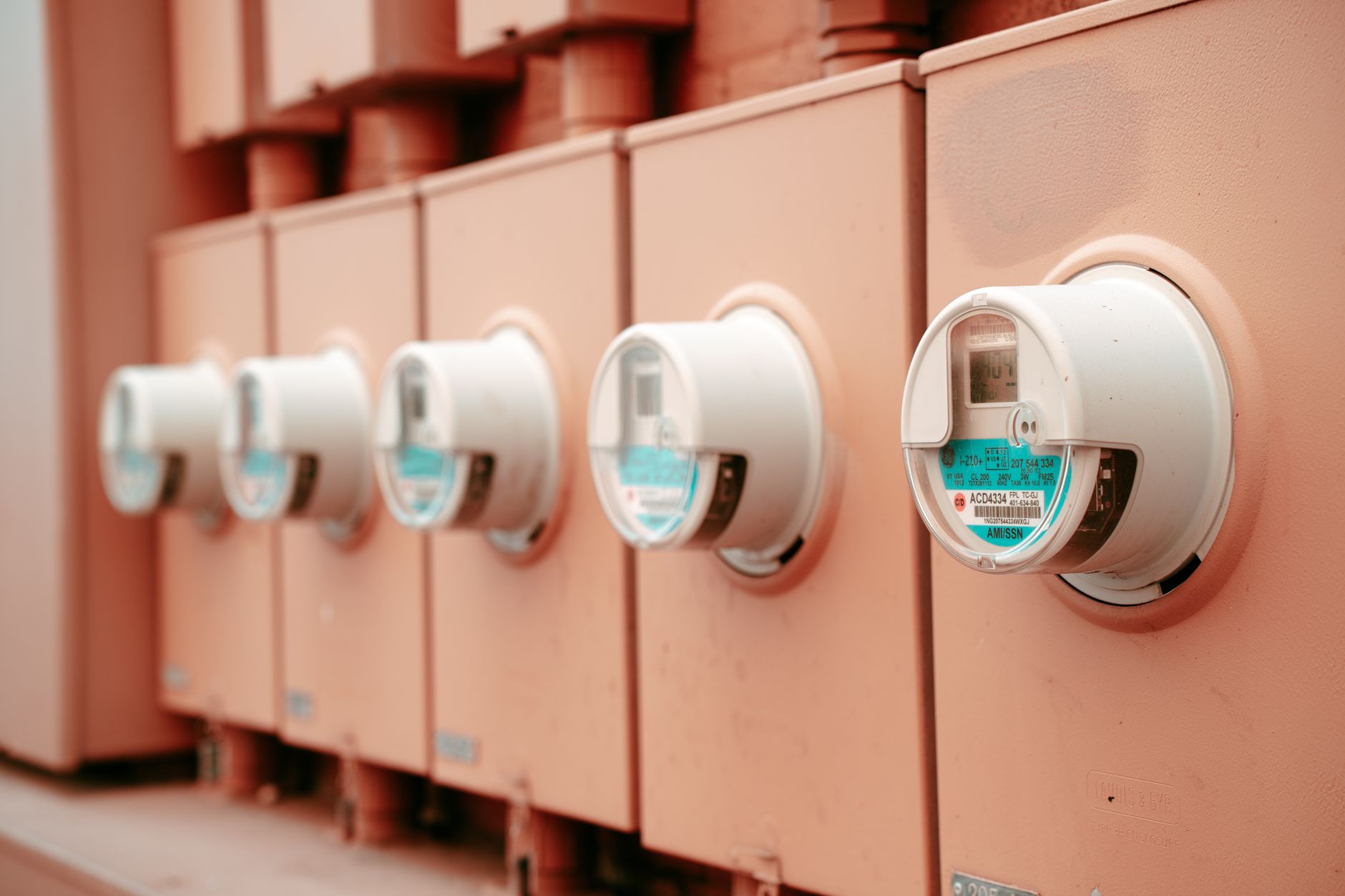
On the vendor side, the competitive landscape includes major players such as Itron, Landis+Gyr, Honeywell, and Elster Group, all of which are competing on communications protocol flexibility, cybersecurity certification, and integration with broader energy management platforms. The cybersecurity dimension is increasingly non-negotiable: a connected gas meter that can be remotely queried can, in theory, also be remotely manipulated, and regulators in North America and Europe are beginning to mandate specific encryption and authentication standards for grid-edge devices. That requirement adds complexity to procurement but also raises barriers to entry, consolidating the market around vendors with the compliance infrastructure to keep pace. For utilities, the calculus is straightforward — the cost of a smart meter deployment is increasingly measured against the cost of not knowing what is happening inside a distribution network until something fails.