Before a single AI model can run an inference, someone has to keep the lights on — and increasingly, that means keeping the gas flowing. A surge of pipeline acquisitions and infrastructure deals is reshaping the energy landscape behind the AI boom, as utilities, private equity, and energy majors race to lock in the natural gas capacity needed to fuel a generation of power-hungry data centers. Fortune pipeline deals story published October 1 lays out just how crowded that race has become. It’s the kind of story that looks like energy news on the surface but reads, underneath, like a map of who controls AI’s future.
The demand side of the equation is not subtle. Data centers already account for a significant and fast-growing share of U.S. electricity consumption, and the buildout is nowhere near done. Amazon data centers are just one front in a much wider war for compute real estate — and every new facility requires reliable, scalable power that renewables alone cannot yet guarantee at the required density and uptime. Natural gas, with its dispatchable capacity, has become the de facto bridge fuel for the AI era.
Acquisitions Are Accelerating, and the Numbers Are Large
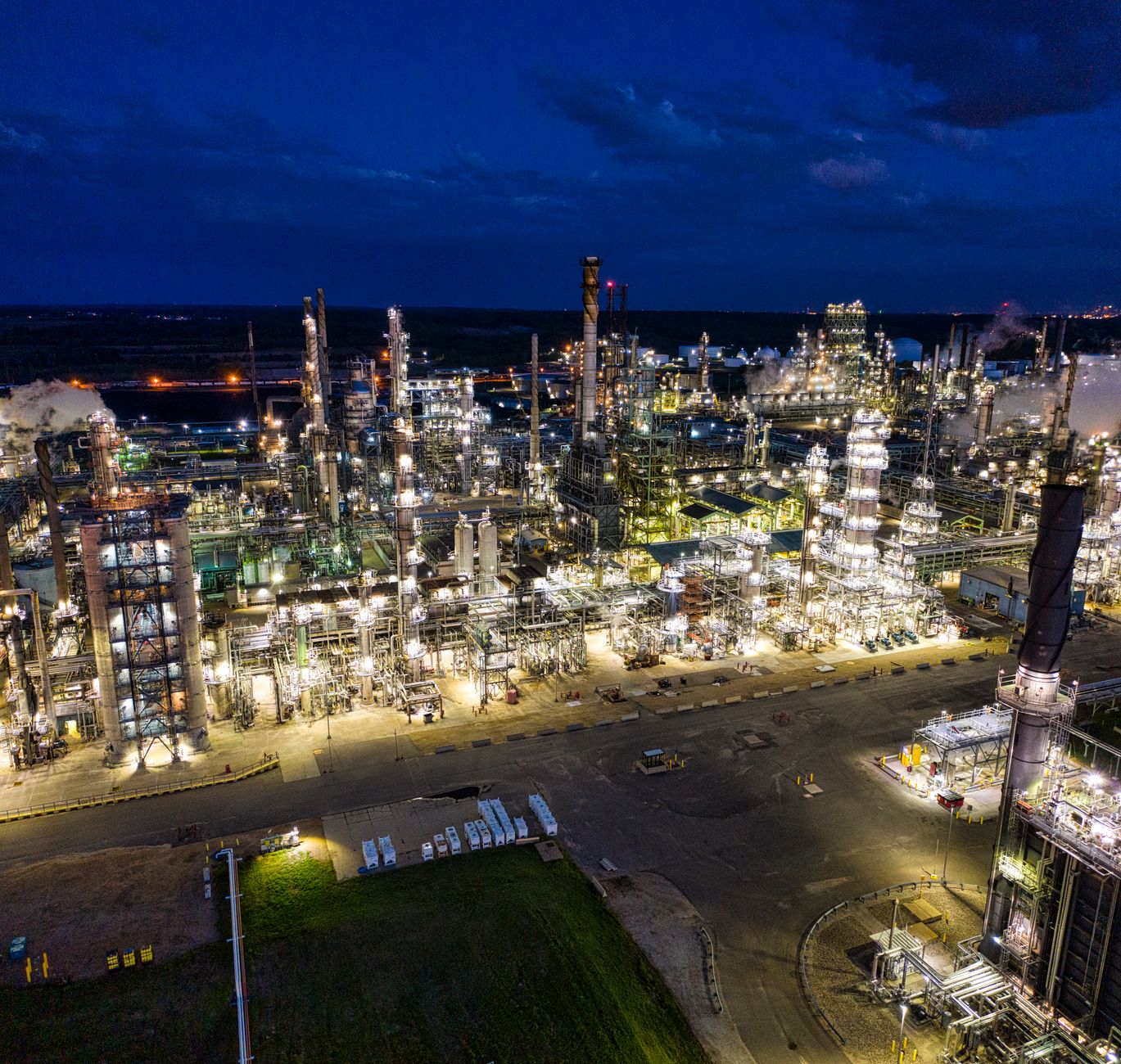
The dealmaking is not incremental. As Fortune separately reported, the U.S. is on the verge of dramatically expanding natural gas output both for domestic consumption and export, triggering what the outlet described as a multibillion-dollar acquisitions wave across the midstream sector. Pipeline operators, processing facilities, and storage assets are all changing hands as buyers try to position themselves ahead of the demand curve rather than scramble to catch up with it.
Private equity has been particularly aggressive. Infrastructure funds that spent the last decade rotating into renewables are now doubling back into gas transmission and storage assets, betting that the AI-driven power surge creates a decade-long runway of stable cash flows. The underlying logic is simple: pipelines are regulated, long-contracted, and essential — exactly the kind of asset class that looks attractive when demand visibility is high and the alternative is being locked out of a capacity-constrained market.
Why This Is as Much a Tech Story as an Energy Story
Strip away the commodity framing and what you have is an infrastructure arms race with direct consequences for which cloud providers and hyperscalers can actually deliver on their capacity commitments. A data center campus without a firm gas supply agreement backing its on-site or grid-connected generation is a stranded asset. That makes pipeline access a competitive variable in the same conversation as GPU allocation and fiber routing.
The geopolitical dimension adds another layer. With U.S. LNG exports rising and domestic AI power demand climbing simultaneously, pipeline operators are effectively serving two masters at once — keeping domestic grid operators supplied while supporting export terminal throughput. That tension is already showing up in permitting fights and capacity disputes, and it will only sharpen as more data center projects come online over the next three to five years.
The broader pattern here mirrors what happened in fiber in the late 1990s, with one crucial difference: unlike dark fiber, gas pipelines cannot be rapidly overbuilt and then abandoned. The physical and regulatory constraints on new pipeline construction mean that whoever secures capacity now holds a durable advantage. For the AI industry, that makes midstream energy infrastructure — unglamorous as it sounds — one of the most strategically consequential investment categories of the decade. Investors watching SoftBank’s OpenAI bet might want to start paying equal attention to what’s happening underground.