Google’s Pixel lineup has never been a spec-sheet war machine. It has always been about software intelligence, camera tuition, and Google’s willingness to ship AI features months before rivals figure out what to call them. The Pixel 11 continues that tradition — and, according to a hands-on Business Insider review, it is a genuinely excellent phone. The catch: how excellent depends almost entirely on what you are upgrading from. If you are still on a Pixel 6 or Pixel 7, this is a meaningful leap. If you own a Pixel 9, you may want to keep your wallet closed.
Google’s push into on-device AI has been one of the defining hardware stories of this product cycle — a thread Future Wire has tracked through the broader Google AI model rollout earlier this year. The Pixel 11 is where that strategy lands in your hand.
Camera and AI: Still Google’s Sharpest Edges
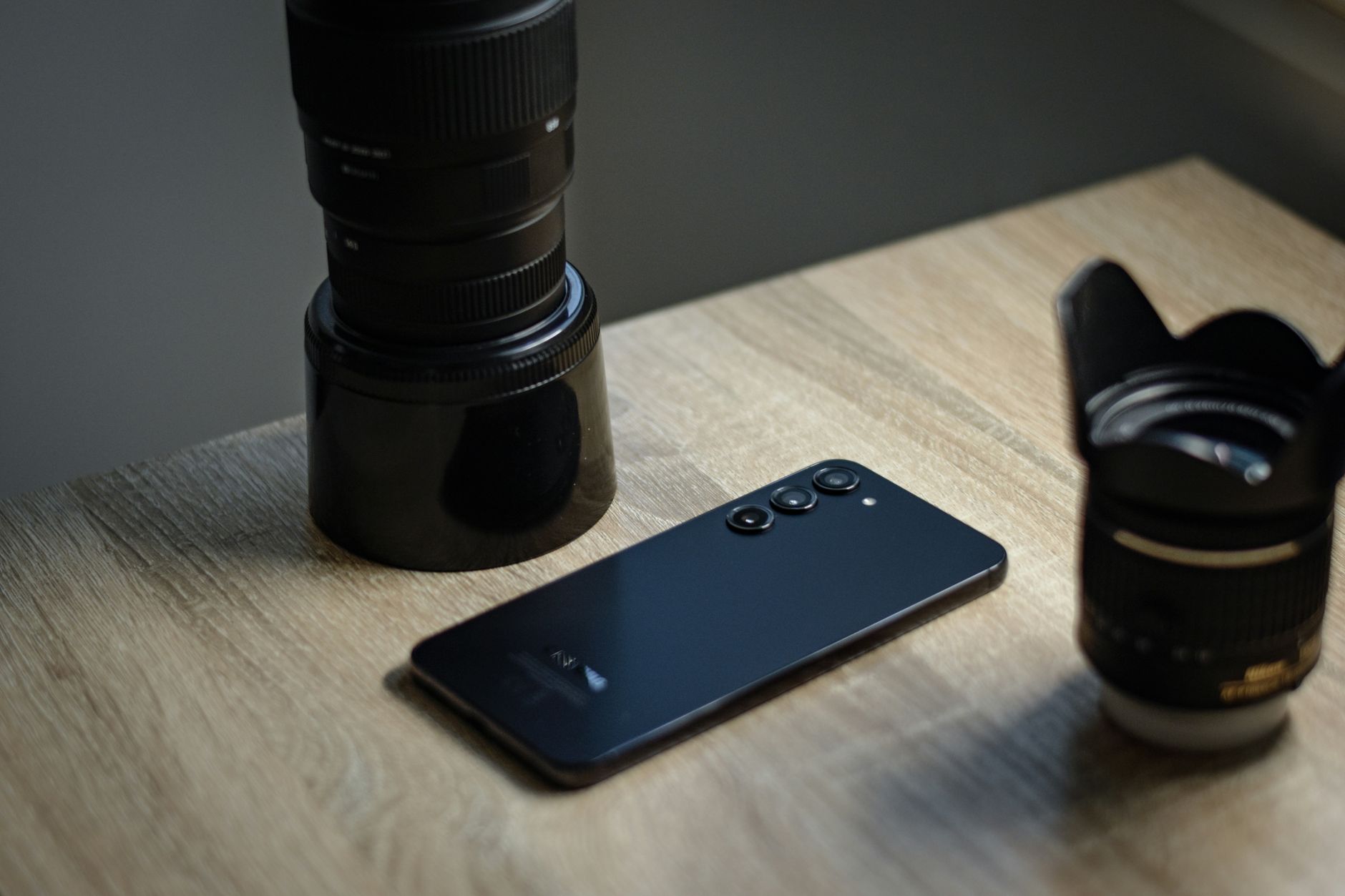
The Pixel 11’s camera system remains its headline act. Google’s computational photography pipeline has been refined again, with improved low-light processing and a faster autofocus lock that the Business Insider review singles out as noticeably better than on the Pixel 9 series. Video stabilization is tighter, and the telephoto performance holds up well in daylight conditions where rival sensors often wash out fine detail.
On the AI side, Gemini integration runs deeper than in previous generations. Live translation, real-time call screening, and on-device summarization all feel more responsive, with the review noting that the Tensor G5 chip handles concurrent AI tasks with less thermal throttling than its predecessor. That improved efficiency matters in daily use — fewer moments where the phone slows to catch its breath during heavy workloads. For those curious about how AI agents are threading themselves into consumer devices, the pattern emerging in the Pixel 11 rhymes with what is happening in SMS-based AI deployments more broadly.
The Upgrade Math: Older Pixels Win, Recent Owners Can Wait
Business Insider’s review is direct about who should buy this phone. Pixel 6 and Pixel 7 owners face a compounded gap: two to three generations of Tensor chip improvements, a sharper display, meaningfully better battery life, and substantially upgraded cameras. For that cohort, the Pixel 11 is not a marginal refinement — it is a different-feeling device. Pixel 8 owners sit in murkier territory, getting genuine improvements but perhaps not enough to justify the full retail price. Pixel 9 owners are advised to hold.
That tiered upgrade picture is increasingly common across premium Android. Business Insider’s review of the 11 Pro Fold tells a similar story on the foldable side — meaningful hardware evolution, but with the clearest value proposition for users who skipped at least one product generation. The foldable review highlights thinner construction and improved Gemini integration as the headline changes, suggesting Google is iterating on a consistent architectural roadmap across the lineup rather than chasing dramatic pivots year over year.
Where It Sits in a Crowded Premium Market
The Pixel 11 does not exist in a vacuum. Samsung’s foldable ambitions are escalating — Business Insider’s review of the Fold 8 Ultra describes it as peak performance and productivity hardware, which signals that the bar for premium Android keeps rising. Google is not trying to out-spec Samsung on raw power. The Pixel bet remains that clean software, fast updates, and tightly integrated AI will matter more to a certain buyer than benchmark supremacy.
That bet looks reasonable in 2025. Seven years of OS updates — Google’s current promise on the Pixel 11 — is a genuine competitive differentiator in a market where software longevity is increasingly a purchasing factor. Priced against the broader premium Android field, the Pixel 11 earns its place. It is not the right upgrade for everyone, but for the large installed base still running older Pixel hardware, it is the clearest argument Google has made in years for staying inside its own ecosystem.