
Forget downloading another app. The next wave of AI agents is coming to a channel you already have open all day: your text messages. As reported by TechCrunch, a growing roster of AI-powered agents now operate entirely through SMS, iMessage, and RCS, letting users delegate tasks — booking restaurants, tracking packages, managing calendars — without ever leaving their messaging thread. It is a quiet but significant shift in how ambient AI gets delivered to mainstream users.
This is not a fringe experiment. It is the latest evidence that AI agents are aggressively hunting for surfaces where they can meet users with zero onboarding friction. SMS has a near-universal install base. No app store approval, no download prompt, no login screen. Just a number you text.

Who Is Already Living in Your Messages
The TechCrunch report maps out a crowded and fast-moving field. On the consumer side, services like OpenAI’s text-accessible interfaces and Google’s Gemini integrations are among those letting users query AI capabilities over standard messaging protocols. Scheduling and productivity agents can confirm meetings, send reminders, and surface calendar conflicts entirely over text. Shopping agents handle order status, returns, and reorders from a single thread. The interaction model is brutally simple: send a message, get a result.
The agent-in-SMS model is also attracting business use cases at velocity. Customer service platforms are deploying text-native AI agents that can resolve support tickets, issue refunds, and escalate to human reps without the user ever visiting a website. Some agents are persistent, meaning they remember prior conversations and proactively message users with updates — turning a passive SMS inbox into something closer to a live assistant. Business Insider noted recently that Meta’s broader agent push, including its Muse campaign, is agents going mainstream, and the SMS channel is a direct expression of that instinct: reach people where they already are.
The Trust and Safety Problem No One Has Solved Yet
Putting AI agents inside messaging threads is not without serious risk. SMS and RCS lack the sandboxed permission structures of native apps, which means an agent operating over text has limited guardrails around what it can access or initiate. Phishing attacks already exploit the credibility of text messages. Injecting agentic behavior into that same channel raises the attack surface considerably — a concern that tracks directly with broader anxieties around AI and security infrastructure. Anthropic found itself in turbulent territory this month over cybersecurity concerns, a reminder that trust and safety frameworks for AI agents remain incomplete across the industry.
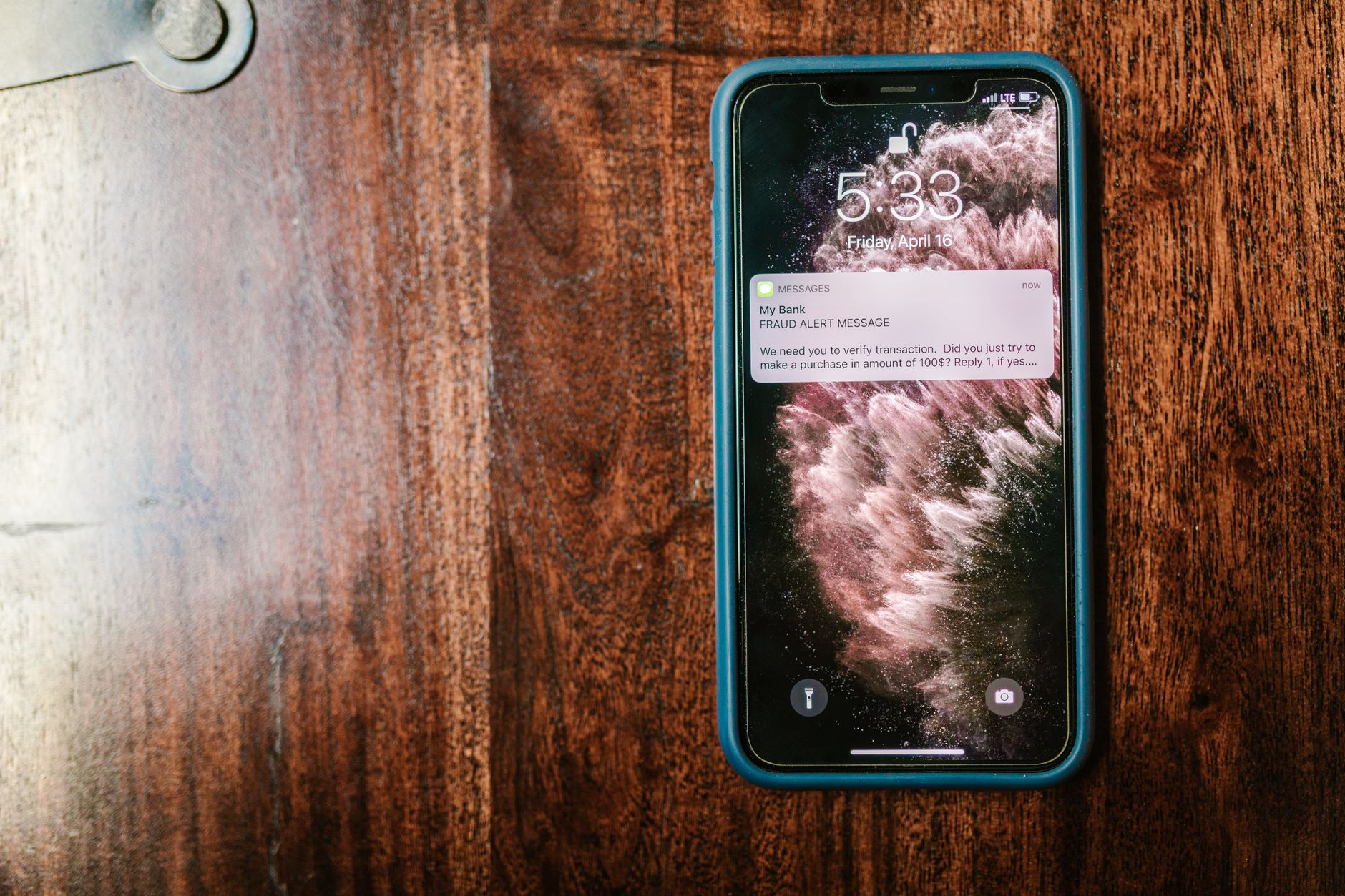
There is also the question of data. Agents that operate over messaging threads are, by design, processing conversational context continuously. Who owns that data, how long it is retained, and whether it is used to train underlying models are questions that most current SMS-based agent deployments have not answered clearly. As the channel scales, regulatory scrutiny is almost certain to follow — particularly in the European Union, where data minimization requirements under GDPR would apply to persistent messaging agents handling personal logistics. The convenience is real. So is the exposure. The companies moving fastest into the SMS channel are betting that users will opt for frictionless over cautious, and history suggests they are probably right — at least until something goes visibly wrong.
The inbox used to be a place where you received information. It is now a place where AI acts on your behalf. That is a meaningful change in the architecture of everyday computing, and it is happening quietly, one text thread at a time.