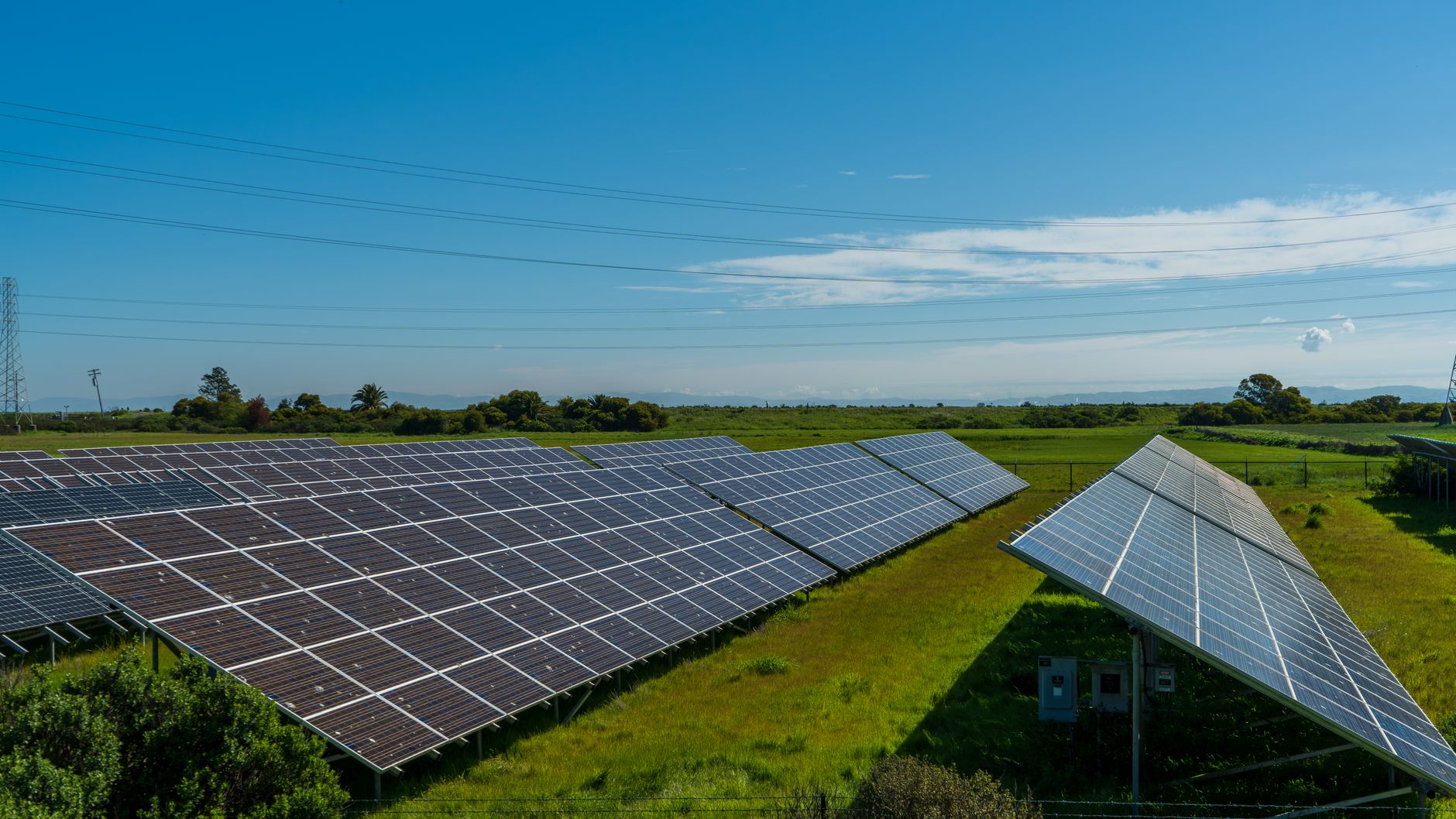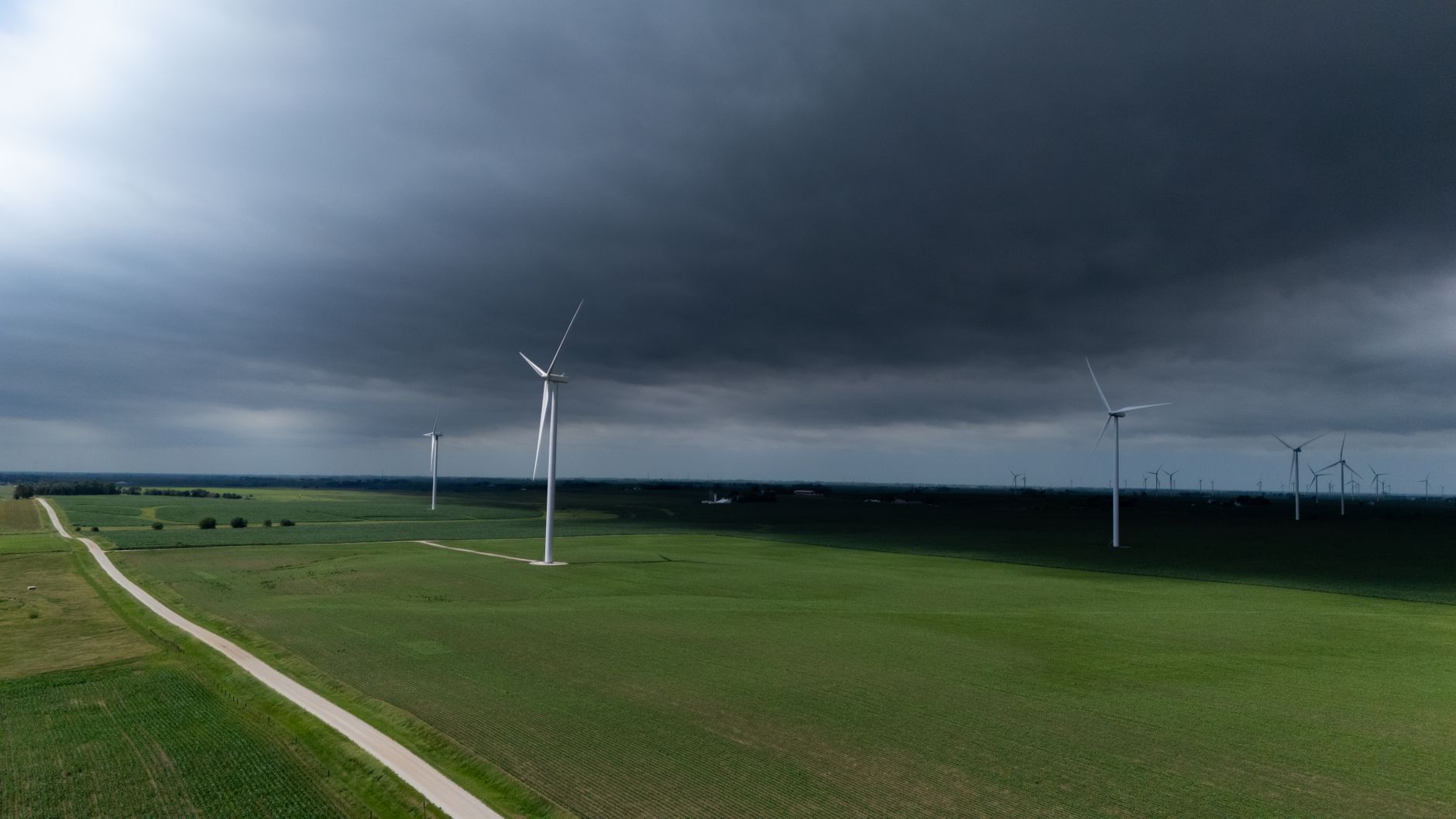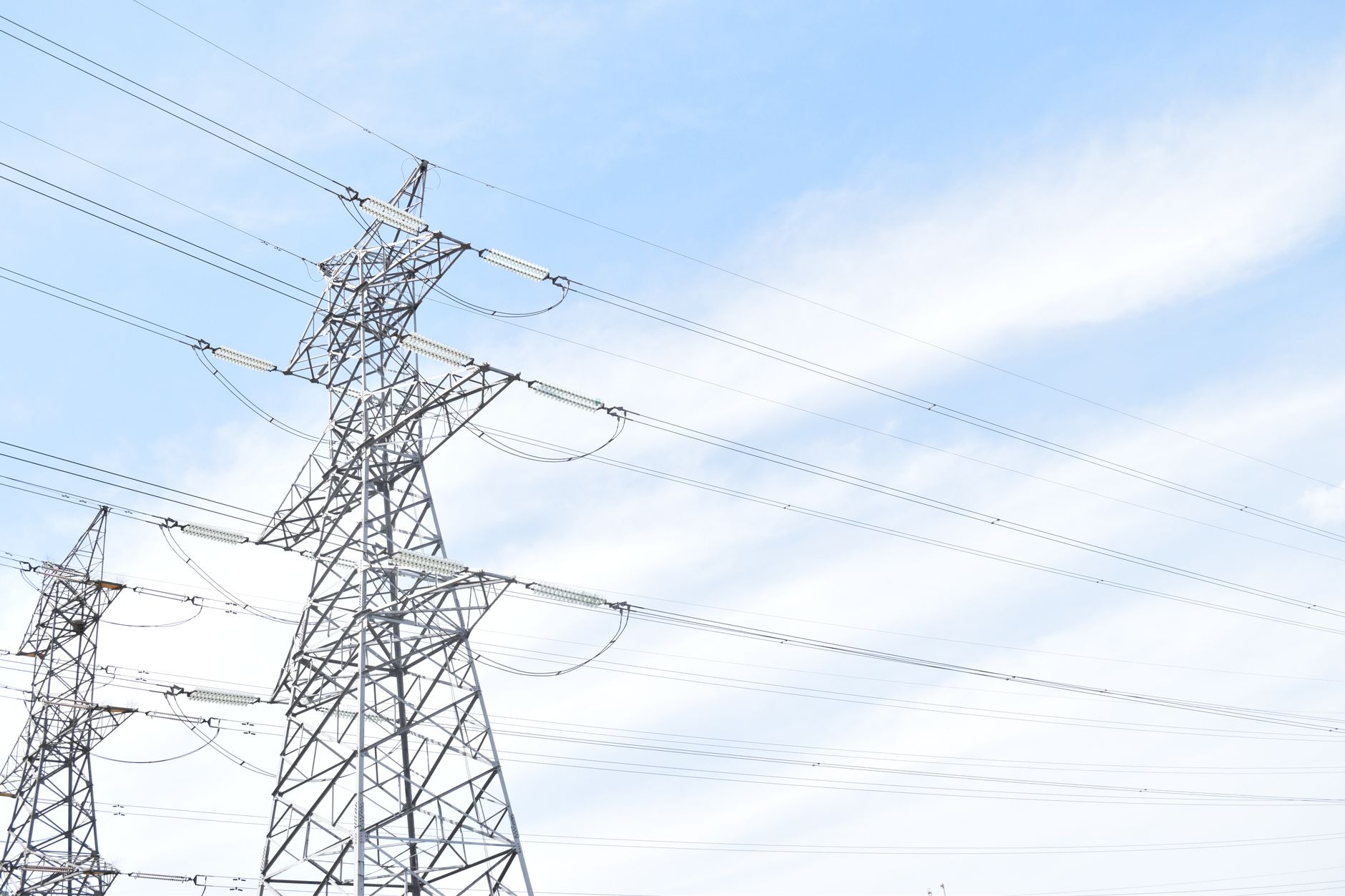
The electrical grid that powers modern civilization was largely designed before the internet existed. Now IEEE wants to change who knows how to fix it. The organization has launched a new professional education course teaching engineers how to apply artificial intelligence directly to power grid modernization — covering everything from predictive maintenance to real-time load forecasting. For an industry facing mounting pressure from renewable integration, extreme weather, and surging electricity demand driven by data centers and EV adoption, the timing is deliberate. This kind of applied AI risk awareness in engineering contexts is exactly what the field has been asking for.
According to IEEE Spectrum, the course is designed to bridge a persistent skills gap between traditional power engineering and modern machine learning tools. Most grid engineers were trained in classical control systems and physical infrastructure — not neural networks or data pipelines. IEEE’s curriculum is structured to meet them where they are, building AI literacy on top of existing domain expertise rather than starting from scratch.
What the Course Actually Covers
The curriculum zeroes in on practical applications that utilities are already being forced to confront. That includes using machine learning models to predict equipment failures before they cascade into outages, optimizing energy dispatch across grids that now include intermittent solar and wind sources, and applying AI-assisted demand forecasting to balance loads in near real time. These aren’t theoretical exercises — they’re operational problems that grid operators deal with daily, and the cost of getting them wrong is measured in blackouts and billions of dollars in infrastructure damage.
The course also addresses the unique constraints of power systems AI: grid data is often noisy, incomplete, or siloed across different utility operators, which makes deploying standard machine learning pipelines far more complicated than in a typical software environment. IEEE’s approach reportedly walks engineers through data preprocessing techniques suited to operational technology environments, as well as model validation practices that account for the reliability standards the energy sector demands.
Why This Push Matters Right Now
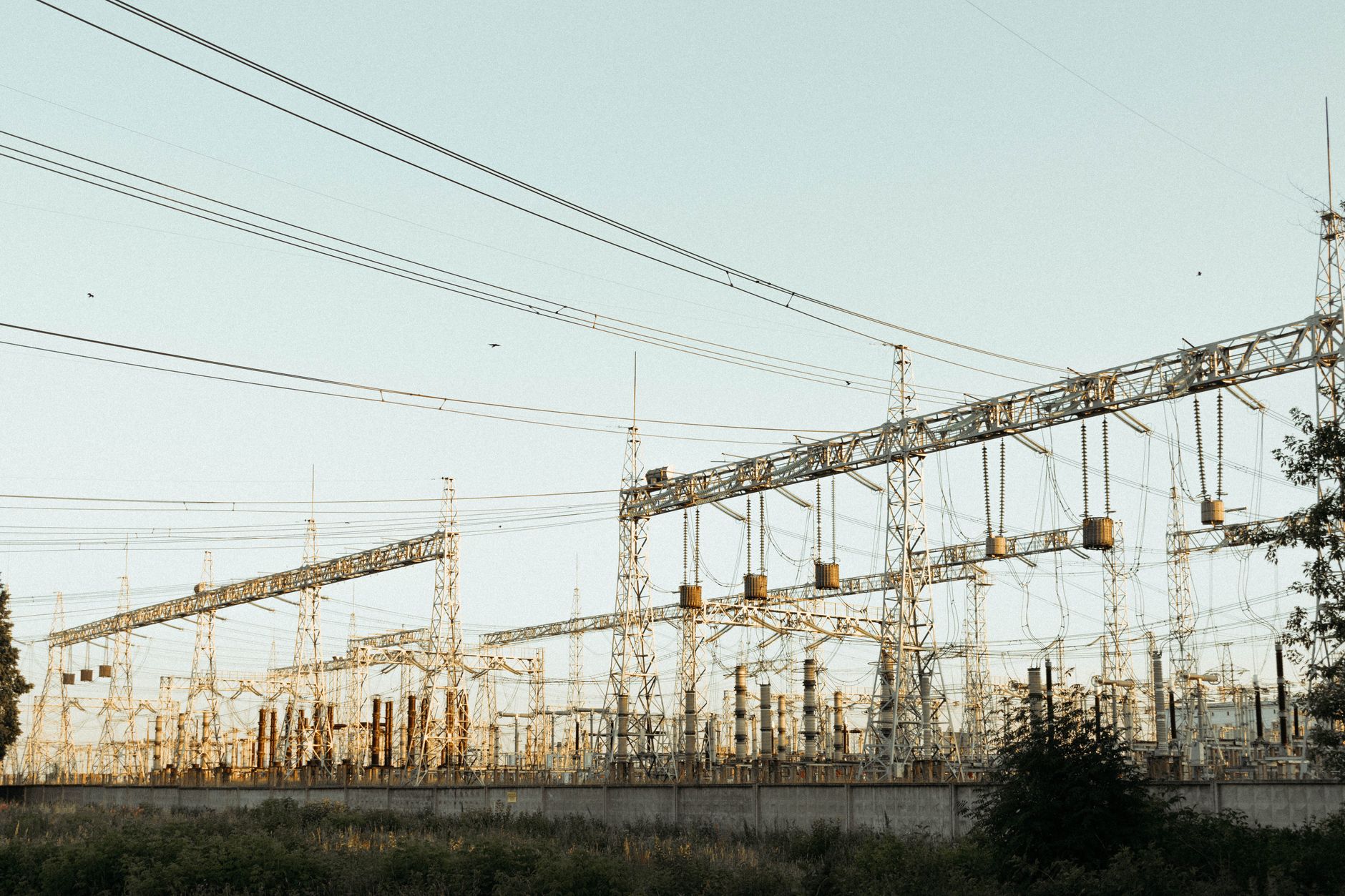
Electricity demand in the United States is projected to grow faster over the next decade than it has in a generation, driven largely by AI data centers and the accelerating electrification of transportation and heating. That growth is landing on a grid that, in many regions, relies on infrastructure built in the 1960s and 1970s. Utilities are investing heavily in grid upgrades, but the engineering workforce capable of designing and operating AI-enhanced systems hasn’t kept pace with the capital being deployed.
IEEE’s move signals a broader recognition that technical standards bodies can’t just write specifications for AI in critical infrastructure — they have to actively build the human capacity to implement them. The course is self-paced and available to IEEE members as part of the organization’s continuing education portfolio, which means it’s accessible to working engineers without requiring a return to full-time academia. Whether that model scales fast enough to meet the grid’s transformation timeline is a real question, but it’s a concrete step in a space where most of the conversation has stayed abstract for too long.