
The global antibiotic resistance crisis keeps escalating, and so does the race to protect the intellectual property behind next-generation treatments. Acurx Pharmaceuticals just secured that protection in two more major markets: Japan and Mexico have each granted new patents covering the company’s DNA Polymerase IIIC inhibitor antibiotic platform, according to PR Newswire reporting on the announcement. For a small clinical-stage biotech working a genuinely novel mechanism of action, that kind of international IP expansion is not a formality — it is the foundation of any viable commercial strategy. The parallel to how tech companies race to lock down venture-scale defensibility is hard to miss: the IP moat matters as much as the science itself.
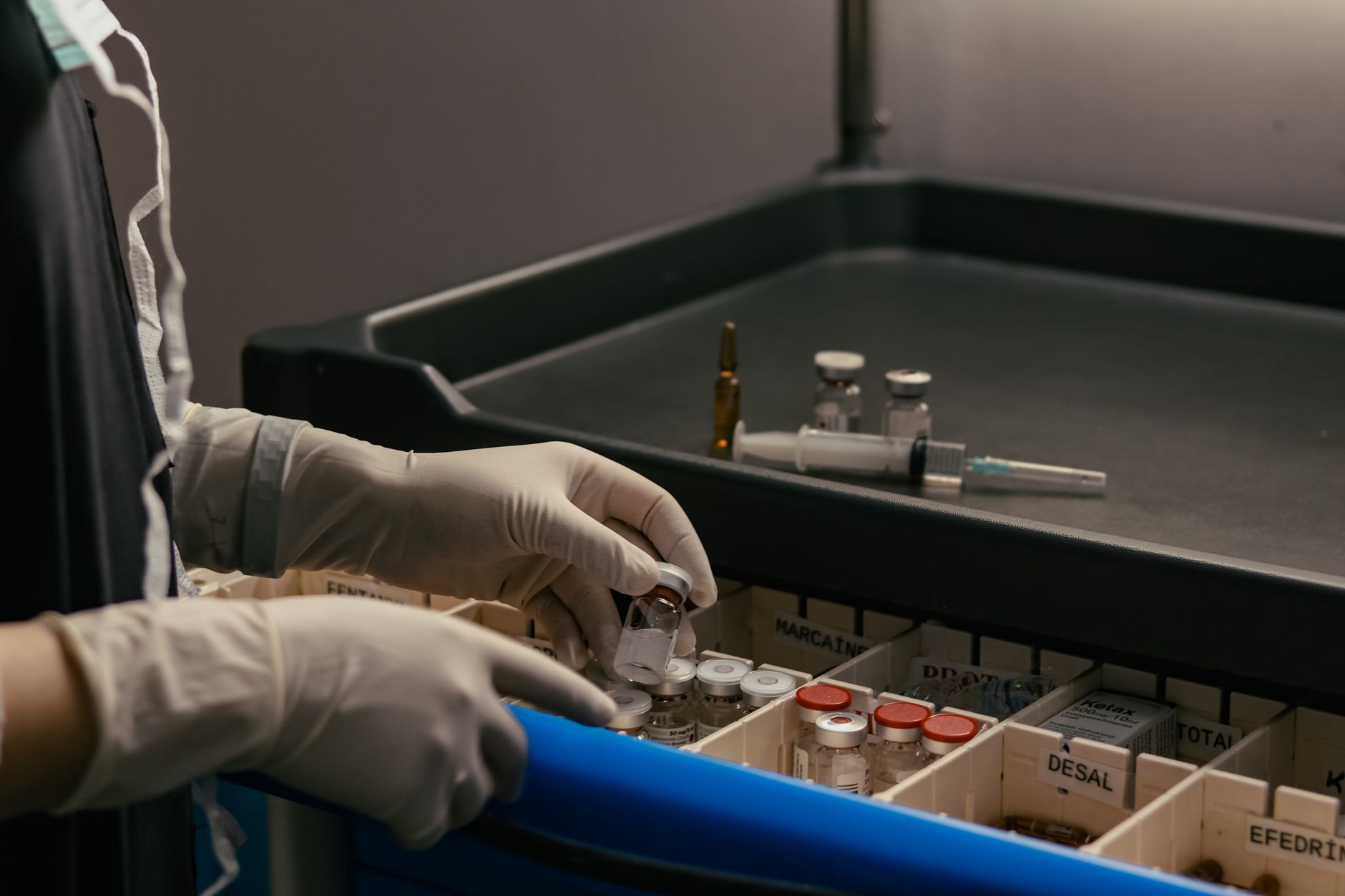
Acurx’s lead candidate, ibezapolstat, targets DNA Polymerase IIIC, an enzyme essential to bacterial DNA replication that exists in gram-positive organisms but has no equivalent in human cells. That selectivity is the core scientific thesis — hit a bacterial-specific target, reduce off-target toxicity, and potentially sidestep some of the resistance pathways that have made older antibiotics progressively less effective. The company has been advancing ibezapolstat specifically against Clostridioides difficile infection, commonly known as C. diff, a hospital-acquired pathogen that the CDC has designated an urgent public health threat responsible for roughly 500,000 infections and nearly 30,000 deaths annually in the United States alone.
What These Patents Actually Cover
The newly granted patents in Japan and Mexico extend Acurx’s intellectual property claims on the DNA Polymerase IIIC inhibitor class itself, not just ibezapolstat as a single compound. That distinction matters enormously. Broad mechanism-of-action coverage gives the company potential claims over future compounds in the same class, making the patent estate more durable and harder to design around. It also strengthens the company’s negotiating position if it pursues licensing deals or partnership arrangements with larger pharmaceutical manufacturers who might want access to the platform rather than just a single drug.
The grants follow a pattern of cumulative international IP protection that Acurx has been building across key pharmaceutical markets. Japan’s patent system is notably rigorous, and approval there signals that the Japan Patent Office found the claimed inventions both novel and non-obvious under its examination standards. Mexico, meanwhile, represents a strategically important emerging-market foothold in Latin America, a region where antibiotic-resistant infections are a severe and growing clinical burden. Together, the two grants meaningfully widen the geographic scope of Acurx’s exclusivity window.
Why the Competitive Stakes Are Rising Fast
The broader antibiotic development landscape is notoriously difficult. Most major pharmaceutical companies exited the space years ago because the economics are unfavorable — antibiotics are used in short treatment courses, face immediate generic competition post-patent, and require the same regulatory burden as drugs for chronic conditions that generate years of recurring revenue. That exodus has left smaller, specialized biotechs like Acurx doing the heavy lifting, which makes their intellectual property all the more critical. Without robust patent protection across major markets, the financial case for completing expensive Phase 3 trials simply collapses.
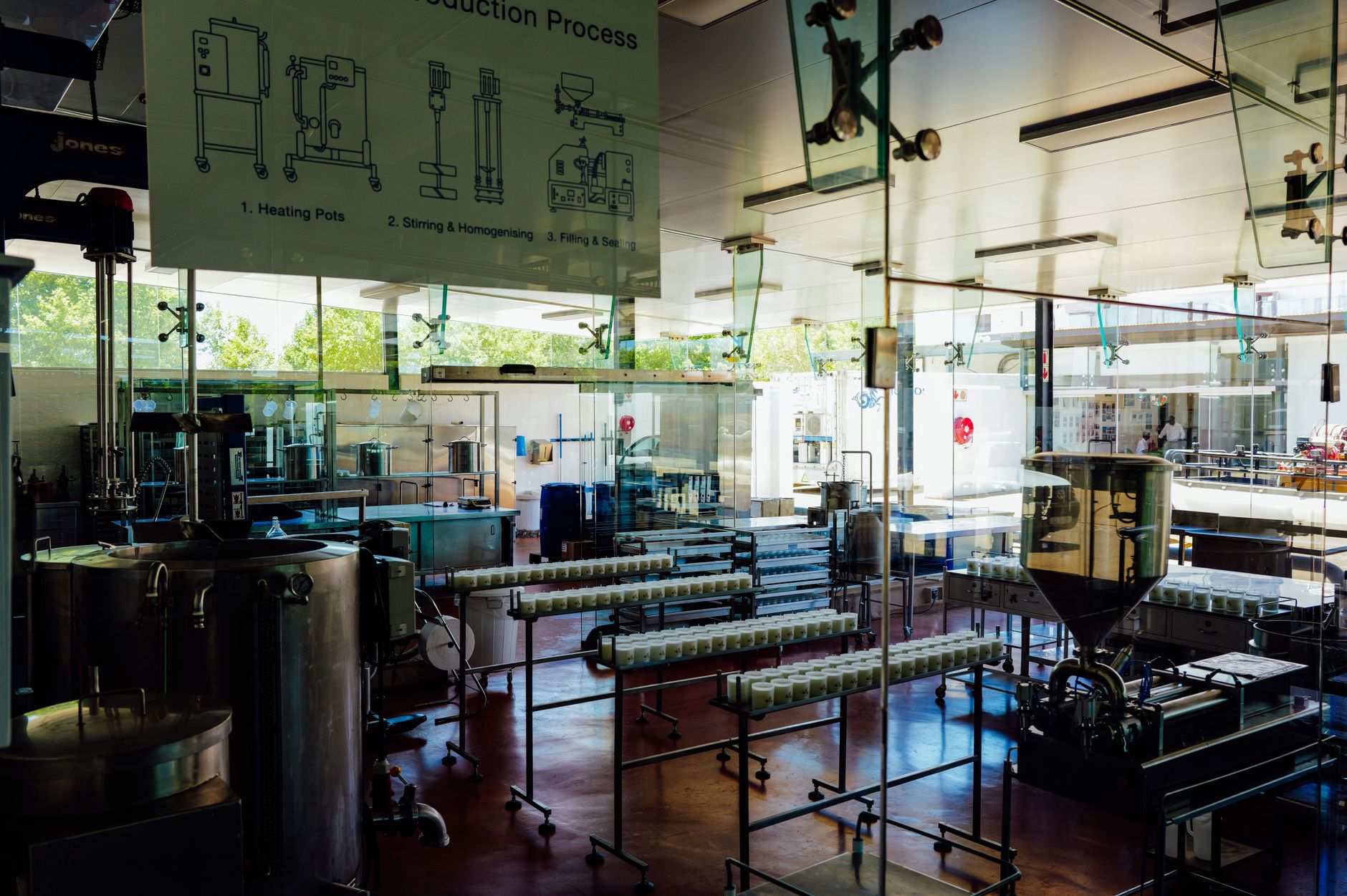
Ibezapolstat’s mechanism also positions it as a potential complement to existing microbiome-preserving treatment strategies, since its gram-positive selectivity means it largely leaves gram-negative gut bacteria intact — a clinically meaningful distinction for C. diff patients who are already dealing with disrupted gut flora. That profile could make it attractive not only as a first-line treatment but as a recurrence-prevention option, which would significantly expand the addressable market. With Japan and Mexico now added to its patent portfolio, Acurx has secured the international infrastructure to pursue those opportunities across multiple major healthcare systems. The science is the headline, but the patents are what make it a business.