AI video enhancement just cleared a significant resolution ceiling. Vmake Labs has announced a major update to its cinematic video enhancement platform, introducing a new Master Model designed to push output quality up to 8K resolution — a threshold that, until recently, was the exclusive domain of expensive post-production pipelines. According to a PR Newswire release, the update also ships a set of new scene-type optimizations built to handle the specific lighting, motion, and texture demands of different filming environments. For creators who have watched AI adoption reshape adjacent industries, this is a concrete sign the technology is maturing into professional-grade territory.
The Master Model sits at the top of Vmake’s model hierarchy, engineered to maximize detail recovery and reduce compression artifacts across a wide range of source footage. The company says it targets everything from smartphone clips to professionally shot material, applying deep-learning-based upscaling that reconstructs lost spatial detail rather than simply interpolating pixels. That distinction matters: interpolation softens edges and invents plausible-looking noise, while reconstruction-based methods — the approach Vmake is leaning into — use trained priors about how real-world textures behave to fill gaps more accurately.
Scene Intelligence Is the Real Differentiator
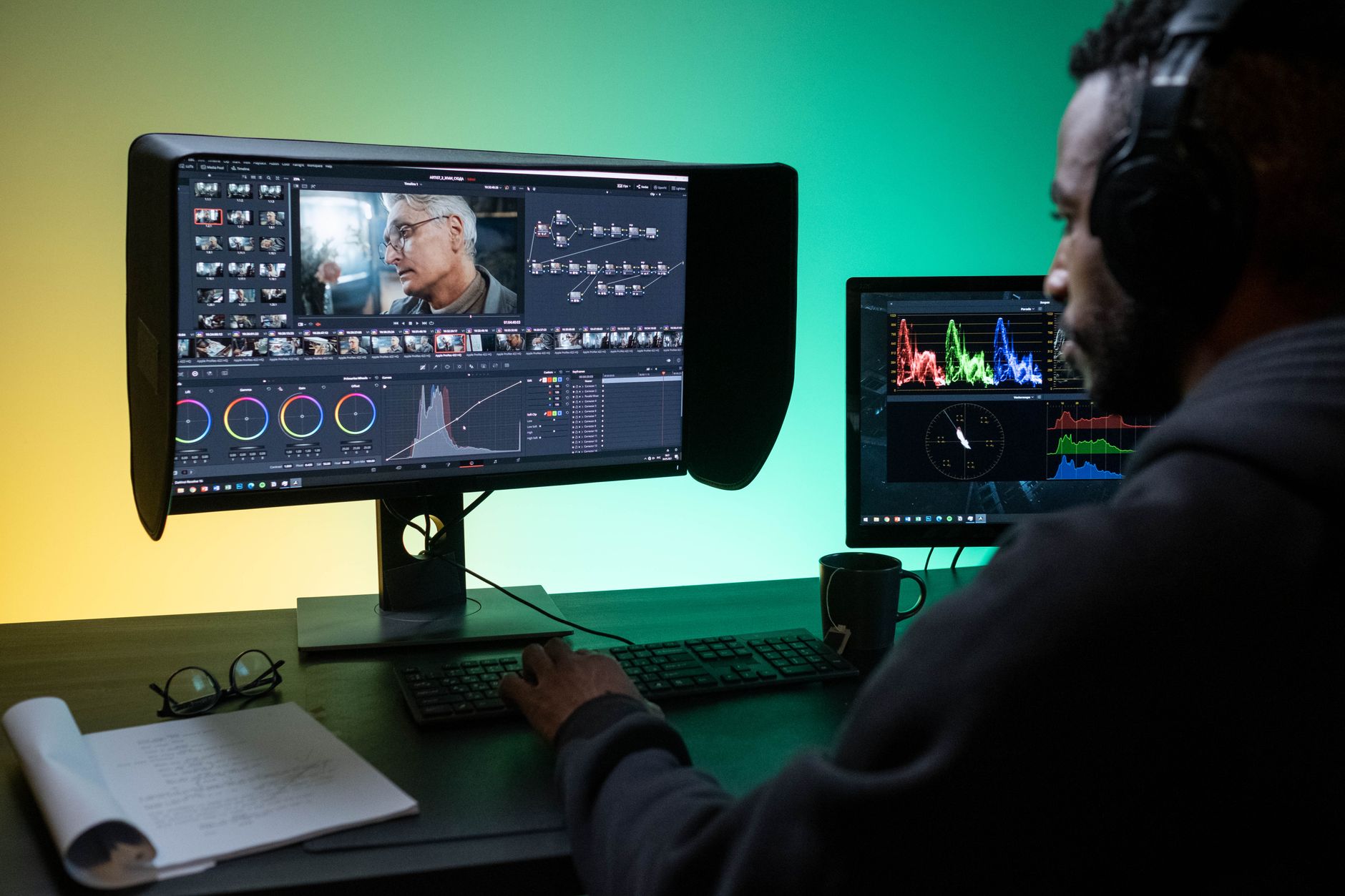
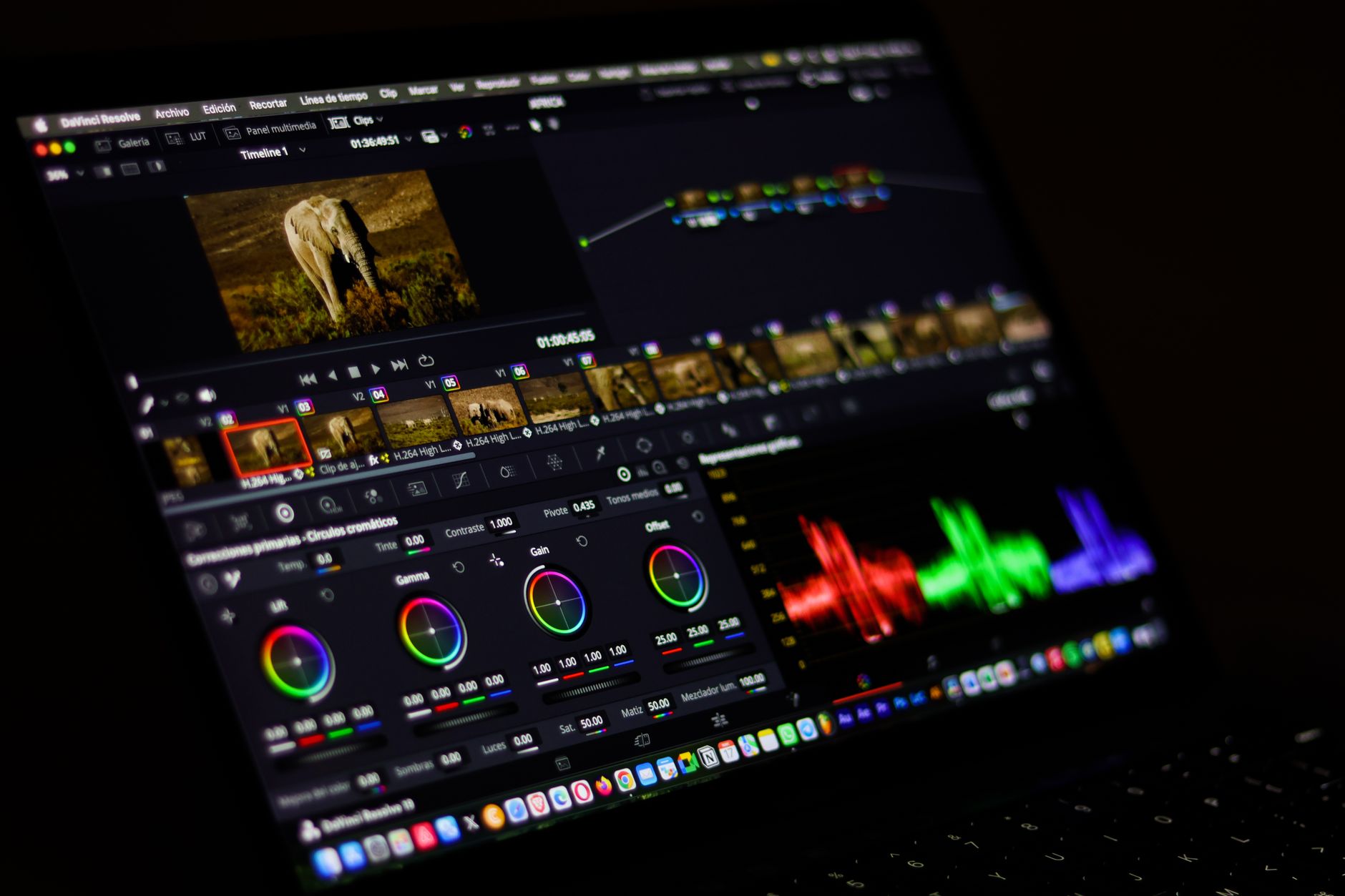
Raw resolution ceiling aside, the more operationally interesting part of this release is the expanded scene library. Vmake Labs has added new scene-specific processing modes that allow the AI to apply contextually appropriate enhancement logic depending on what it detects in the footage. A night cityscape, a fast-action sports clip, and a softly lit interior all have fundamentally different noise profiles, motion blur characteristics, and color grading needs. Generic upscalers tend to either over-sharpen or under-recover in edge cases; scene-aware models can dial in parameters that have been trained on relevant exemplars.
The company has not disclosed the full list of new scene categories added in this update, but the framing in the announcement emphasizes cinematic use cases — a deliberate signal that Vmake is positioning itself for professional and prosumer workflows, not just consumer touch-ups. For filmmakers working on limited budgets who shot in 1080p or 4K and want deliverables that hold up on larger or higher-resolution displays, an 8K output ceiling is a meaningful spec to have on the table, even if most of that audience won’t push to the maximum every time.
Where Vmake Fits in the Competitive Upscaling Landscape
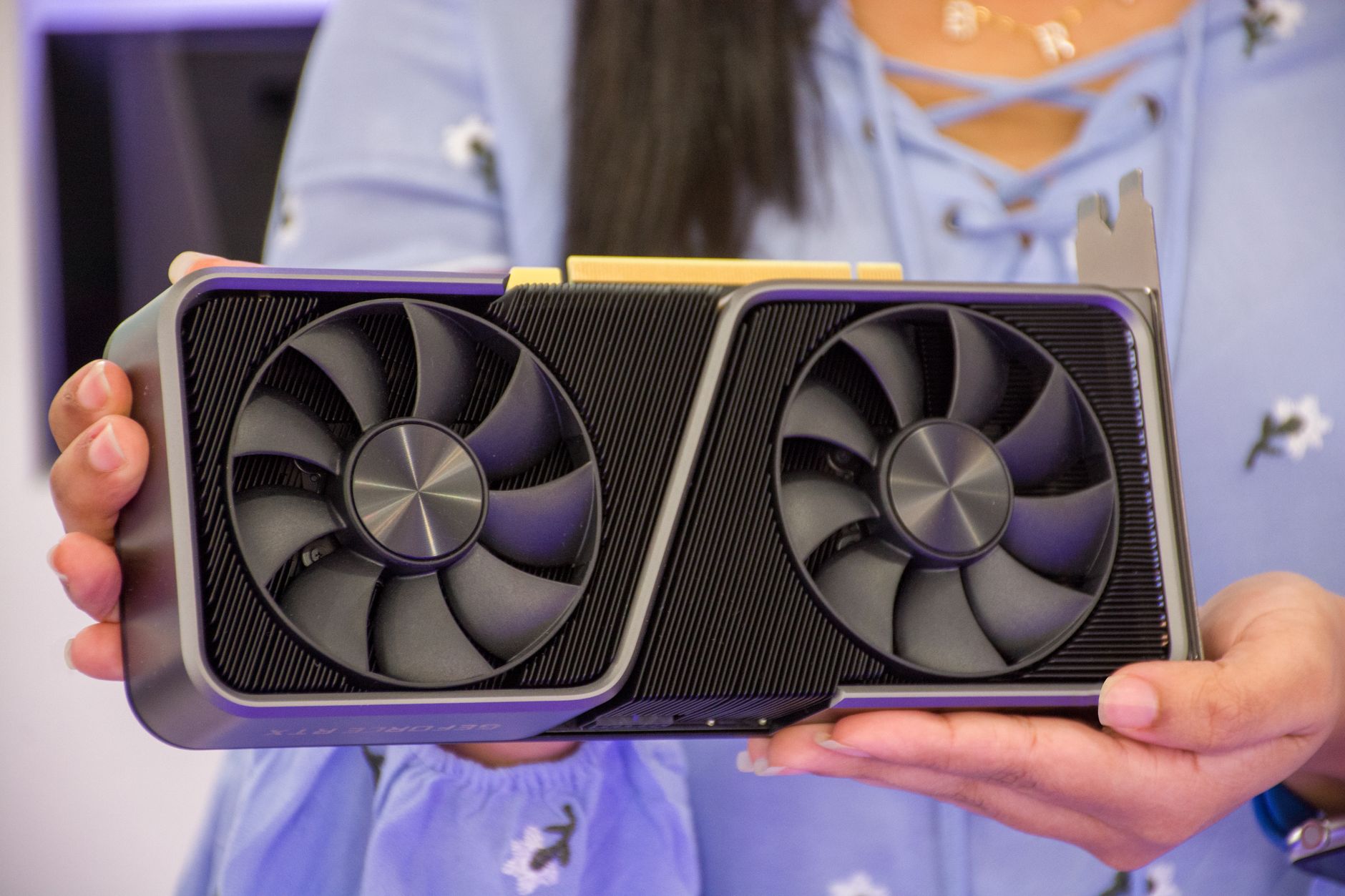
Vmake Labs is entering a stretch of this market that has been heating up fast. Tools like Topaz Video AI and various cloud-based enhancement platforms have already normalized AI upscaling for serious creators, and hardware vendors including Nvidia have baked upscaling logic directly into their consumer GPUs. What Vmake is betting on is that a cloud-delivered, scene-aware, resolution-flexible solution can carve out space between the expensive desktop software tier and the commodity filters baked into social platforms.
The 8K specification is partly a marketing anchor and partly a technical credibility marker. Getting to 8K output with preserved sharpness, correct grain structure, and minimal haloing around high-contrast edges requires a model that has been trained on a substantial and diverse dataset — and one that has been fine-tuned to avoid the over-processed look that plagues lower-tier AI enhancement tools. Whether Vmake’s Master Model delivers on that promise at scale is something the creator community will stress-test quickly. But the architecture choices — scene specificity, hierarchical models, resolution targeting — suggest the company is thinking about the problem the right way. In a space where differentiation is increasingly difficult to sustain, getting the details right on launch day is the only move that matters.