Jon Husted built his political brand on attracting business to Ohio. Now that strategy may be his biggest liability heading into a competitive Senate race. Fellow Republicans are quietly warning that the state’s surging data center buildout — and the power grid strain it’s creating — is generating real voter anger, particularly in communities suddenly staring down transmission lines and utility rate hikes. The backlash is the same one playing out nationally, as data center opposition turns into an unexpected wedge issue in local and statewide elections.
According to a CNBC report, GOP operatives are pointing to Ohio’s data center expansion as a potential seat-threatening issue for Husted, who has championed the facilities as an economic engine for the state. The concern is no longer theoretical: electricity demand from AI infrastructure is reshaping load forecasts for utilities across the Midwest, and Ohio sits at the center of that storm.
Gigawatts of Demand, Gigawatts of Discontent
The numbers behind the anxiety are striking. Data centers can consume anywhere from 20 to more than 100 megawatts per facility, and Ohio has become one of the most active buildout states in the country, with hyperscalers and AI infrastructure developers racing to secure land and power commitments. That concentrated demand is straining a grid that was not designed to absorb it quickly, forcing utilities to fast-track new generation capacity and, in some cases, delay the retirement of older fossil fuel plants.
For residential and small-business ratepayers, that translates into rate pressure — a politically toxic combination. Critics argue that massive corporate campuses are effectively being subsidized by ordinary households through shared grid upgrade costs, while delivering relatively few jobs per megawatt consumed compared to traditional industrial tenants. That argument is landing in town halls and local news cycles across the state, giving Husted’s opponents material that cuts across party lines.
Husted Pushes Back, But the Grid Math Is Complicated
Husted has not backed away from his support for data center investment. He argues the facilities represent billions of dollars in capital expenditure, significant tax revenue, and a foundation for Ohio’s long-term economic competitiveness in the AI era. His position is that managed growth — with appropriate grid planning — is preferable to ceding the buildout to other states. It is a defensible economic argument, but one that is increasingly hard to sell to a voter whose monthly electric bill is climbing.
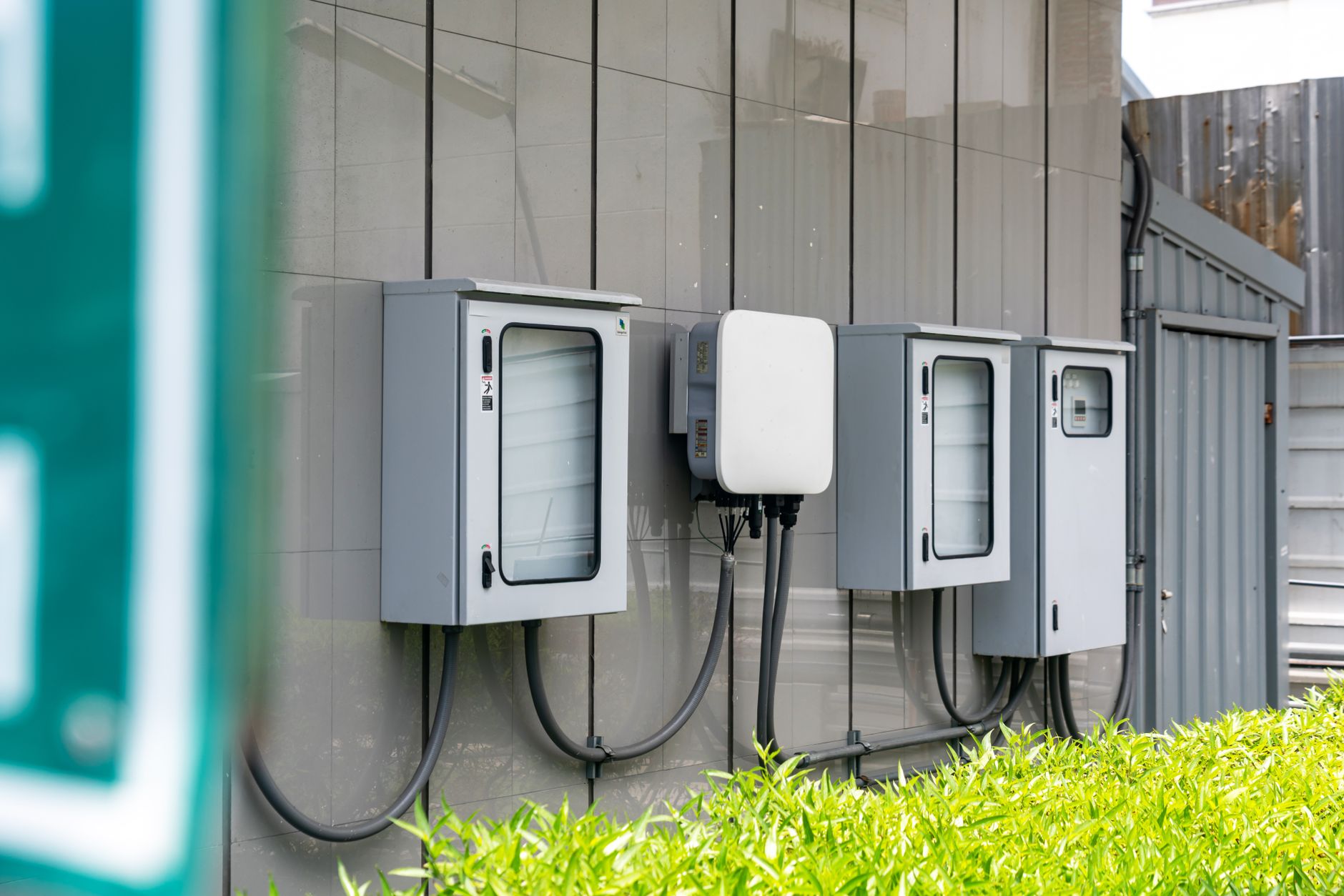
The deeper problem for Husted is that the grid planning piece is genuinely difficult. Utilities typically need years to permit and build new transmission infrastructure, while data center leases and construction timelines operate on much shorter cycles. The mismatch creates a gap where demand arrives before supply can catch up — and someone has to absorb the cost of bridging it. Ohio’s regulatory framework, like most states’, was not built for the speed or scale of the current AI infrastructure wave.
The political terrain here mirrors what Future Wire has tracked in other high-growth markets, where the data center boom creates winners at the infrastructure level and friction at the community level. For Husted, the challenge is turning an economic development win into a story voters actually want to hear — before November makes that conversation irrelevant.