
For decades, tracking down the root cause of a system failure has been one of the most punishing problems in enterprise IT and industrial operations — a slow, manual grind through log files, alert queues, and fragmented dashboards while downtime costs pile up by the minute. A new wave of clinical AI workflows thinking is now bleeding into operations technology, and the payoff looks significant. According to an IEEE-hosted webinar titled “Stop Hunting, Start Solving: Accelerating Root Cause Analysis with Agentic AI,” autonomous AI agents are beginning to do what human analysts cannot: correlate signals across massive, heterogeneous systems in real time and surface a probable cause before the situation cascades.
The shift is not incremental. Traditional root cause analysis tools rely on rule-based alert systems and require engineers to manually query multiple data sources, often in sequence. Agentic AI flips that model entirely. Instead of waiting to be asked, these systems continuously monitor telemetry streams, initiate their own investigative sub-tasks, and reason across tool outputs — behaving less like a dashboard and more like a tireless analyst who never needs sleep or a context switch.
What Makes Agentic AI Different From Automation
The word “agentic” carries real technical weight here. Standard automation follows a fixed playbook: if X, then Y. Agentic systems instead use large language models combined with tool-calling frameworks to dynamically decide which data sources to query, in what order, and how to synthesize conflicting signals. In a typical failure scenario — say, a microservices application experiencing latency spikes — an agentic system might independently pull metrics from a Kubernetes cluster, cross-reference with recent deployment logs, run a statistical anomaly check on database query times, and then produce a ranked list of probable causes, all without a human writing a single query.
The webinar framed this as a fundamental change in the human-machine relationship for operations teams. Rather than engineers hunting through noise, the agent hunts on their behalf and presents structured findings. That distinction matters enormously for mean time to resolution, which industry data consistently links to revenue loss in sectors from financial services to manufacturing. Shaving even 20 to 30 minutes off a critical incident’s detection-to-diagnosis window can represent millions of dollars in avoided downtime for a large enterprise.
Where the Technology Is Landing First
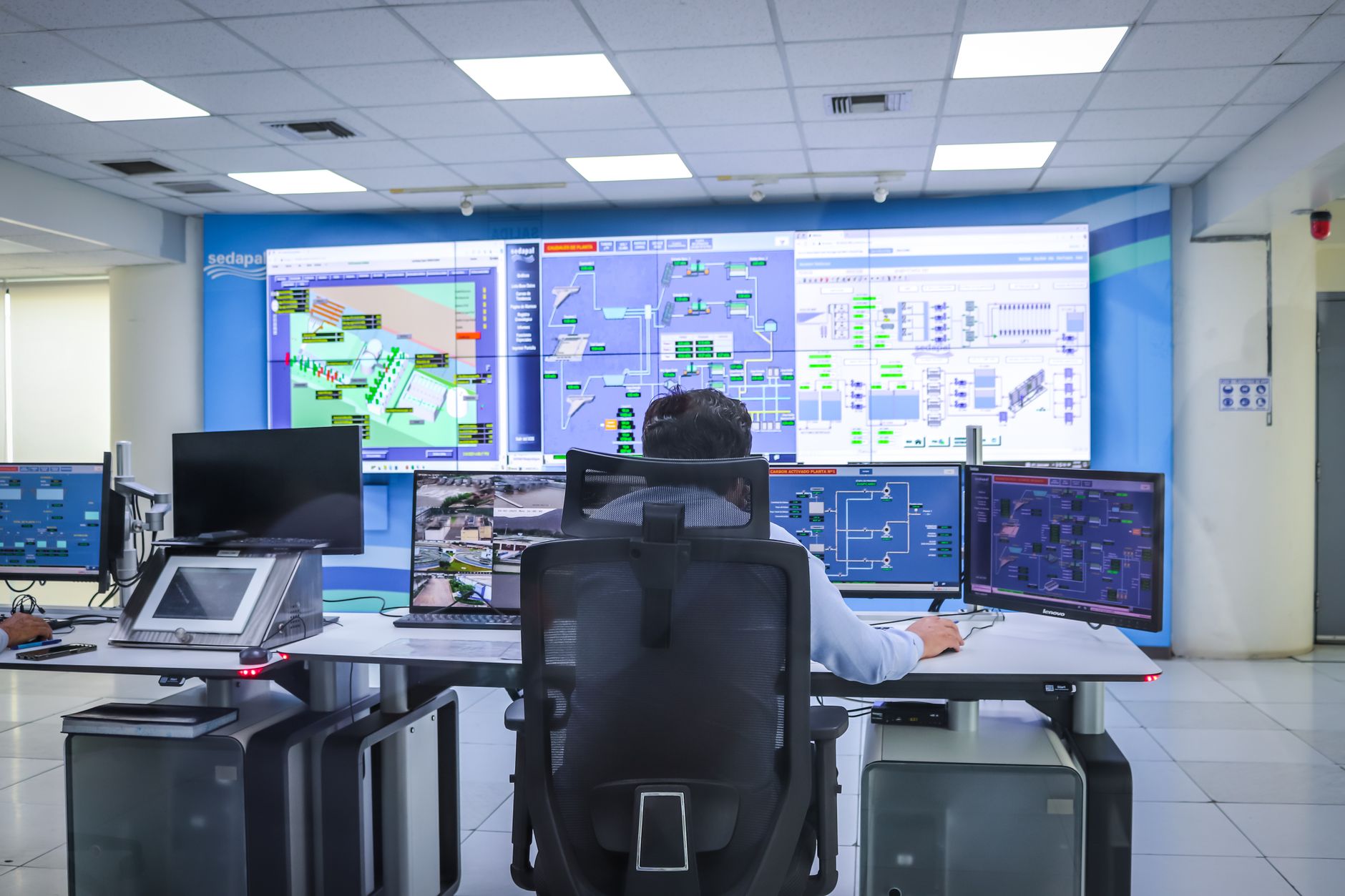
The most immediate adoption is happening in environments where failure signatures are complex and data volumes are too large for any human team to manually triage. Cloud-native infrastructure, industrial control systems, and large-scale telecommunications networks are the early proving grounds. These environments generate millions of telemetry events per minute, making the agentic approach not just faster but practically necessary — no human-staffed NOC can keep pace at that data density.

The technology also intersects with a broader investment theme. As enterprises push deeper into AI-powered infrastructure, the operational complexity of running those systems is growing faster than headcount can absorb. The data center expansion wave sweeping the United States is adding enormous surface area for failures — more racks, more cooling dependencies, more network fabric, more software layers. Agentic root cause analysis tools are positioning themselves as the operational backbone that makes it feasible to run that infrastructure without proportionally expanding engineering teams. The companies that get this right earliest will have a durable edge: faster incident resolution translates directly into better uptime SLAs, and better SLAs win enterprise contracts.