Soil sensors and satellite imagery are table stakes now. The real competitive frontier in precision agriculture is whether a platform can learn from every field, every season, and every crop decision — and get measurably smarter over time. CropX just made the most aggressive move yet toward that goal, acquiring SCIO to build what it calls agriculture’s first self-improving agronomic intelligence platform. As PR Newswire reported, the combined company will cover the entire crop cycle — from planting decisions through in-season management to harvest outcomes — inside a single, continuously learning system.
The deal brings together CropX’s established soil sensing and farm management infrastructure with SCIO’s agronomic modeling capabilities, which are built to ingest and act on multi-source data across crop types and geographies. It’s a vertical integration play designed to eliminate the fragmentation that has long plagued farm tech stacks, where soil data lives in one silo, weather modeling in another, and yield analytics in a third. That kind of fragmentation is a familiar problem in data-intensive industries — much like the AI risk controls market, where visibility gaps across disconnected systems have created demand for unified governance layers worth billions.
What the Combined Platform Actually Does
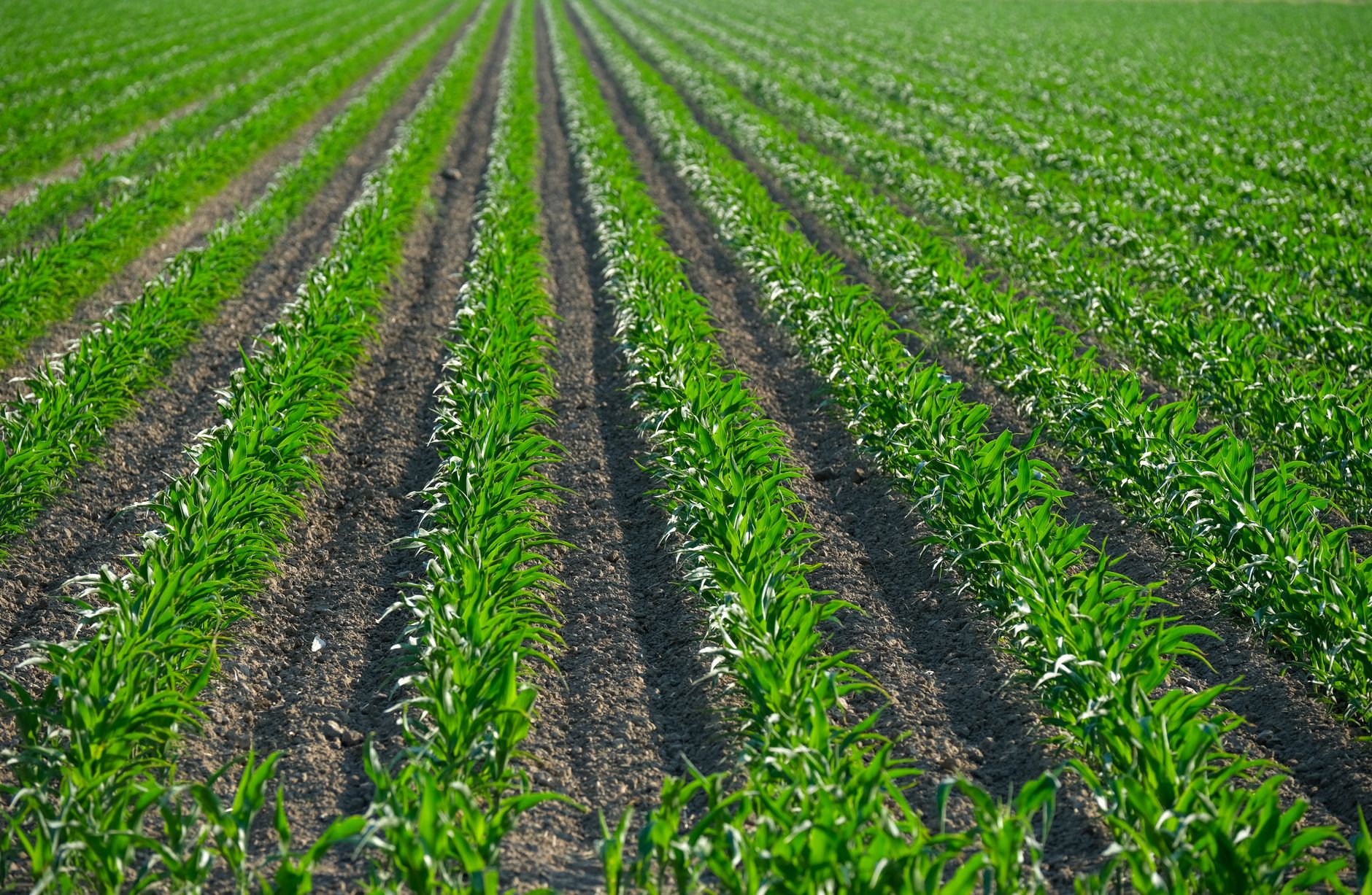
The core technical promise here is a feedback loop that didn’t exist before. SCIO’s agronomic models are designed to update continuously as new field data flows in — meaning a recommendation made in week three of a corn cycle is informed by everything observed in weeks one and two, not just static regional averages. CropX’s sensor network provides the real-time ground-truth data that feeds those models, creating a closed loop between physical observation and decision intelligence.
According to the announcement, the platform will support agronomic guidance across the full season — covering planting population and timing, irrigation scheduling, nutrient management, and harvest readiness signals. That breadth matters because most precision ag tools optimize for one part of the cycle well and handle the rest poorly. A platform that maintains agronomic context from the first seed in the ground to the last combine pass has a structural advantage in both accuracy and farmer retention. The self-improving architecture also means the system compounds value over multiple seasons as it accumulates farm-specific performance history.

Why This Acquisition Reshapes the Competitive Landscape
For the broader ag-tech sector, this deal signals that point solutions are running out of runway. Farmers and agronomists are increasingly demanding platforms that reduce tool sprawl rather than add to it, and investors are following the same logic — consolidation is accelerating across precision agriculture, crop nutrition, and farm data management. CropX is betting that owning the intelligence layer, not just the sensor hardware or the analytics dashboard, is where durable defensibility lives.
SCIO’s modeling expertise adds something that’s genuinely difficult to replicate quickly: agronomic domain knowledge encoded into machine learning pipelines that have been validated across real growing seasons. That kind of validated, crop-specific intelligence is the competitive moat that pure software entrants struggle to build from scratch. Combined with CropX’s existing commercial relationships and sensor deployments, the merged entity enters the market with both the data infrastructure and the applied science needed to make the self-improving claim credible rather than just a marketing headline. The agriculture industry has been promised AI transformation before — what’s different this time is that the data flywheel, from sensor to model to recommendation to outcome, is finally being closed under one roof.