ColPlant Biotechnologies has closed its acquisition of LightSolver, a photonic computing company whose laser-based hardware is designed to solve complex optimization problems that choke conventional processors. The deal marks a sharp strategic pivot for ColPlant, a company best known for its plant-derived collagen and 3D bioprinting technology — and it signals that the race to move AI workloads beyond silicon GPUs is pulling in players from unexpected corners of the industry. As PR Newswire reported, the transaction has now formally closed, giving ColPlant full ownership of LightSolver and its photonic computing platform.
The timing is not accidental. Demand for alternative compute architectures is accelerating as GPU costs and power constraints bite into AI infrastructure budgets at scale. Investors and operators are actively hunting for hardware that can handle specific high-value tasks — logistics routing, drug discovery optimization, financial modeling — faster and more efficiently than traditional chips. For a company watching the AI infrastructure spending wave crest in real time, acquiring a photonic computing asset looks less like a distraction and more like a calculated bet on where bottlenecks are heading.
What LightSolver Actually Brings to the Table
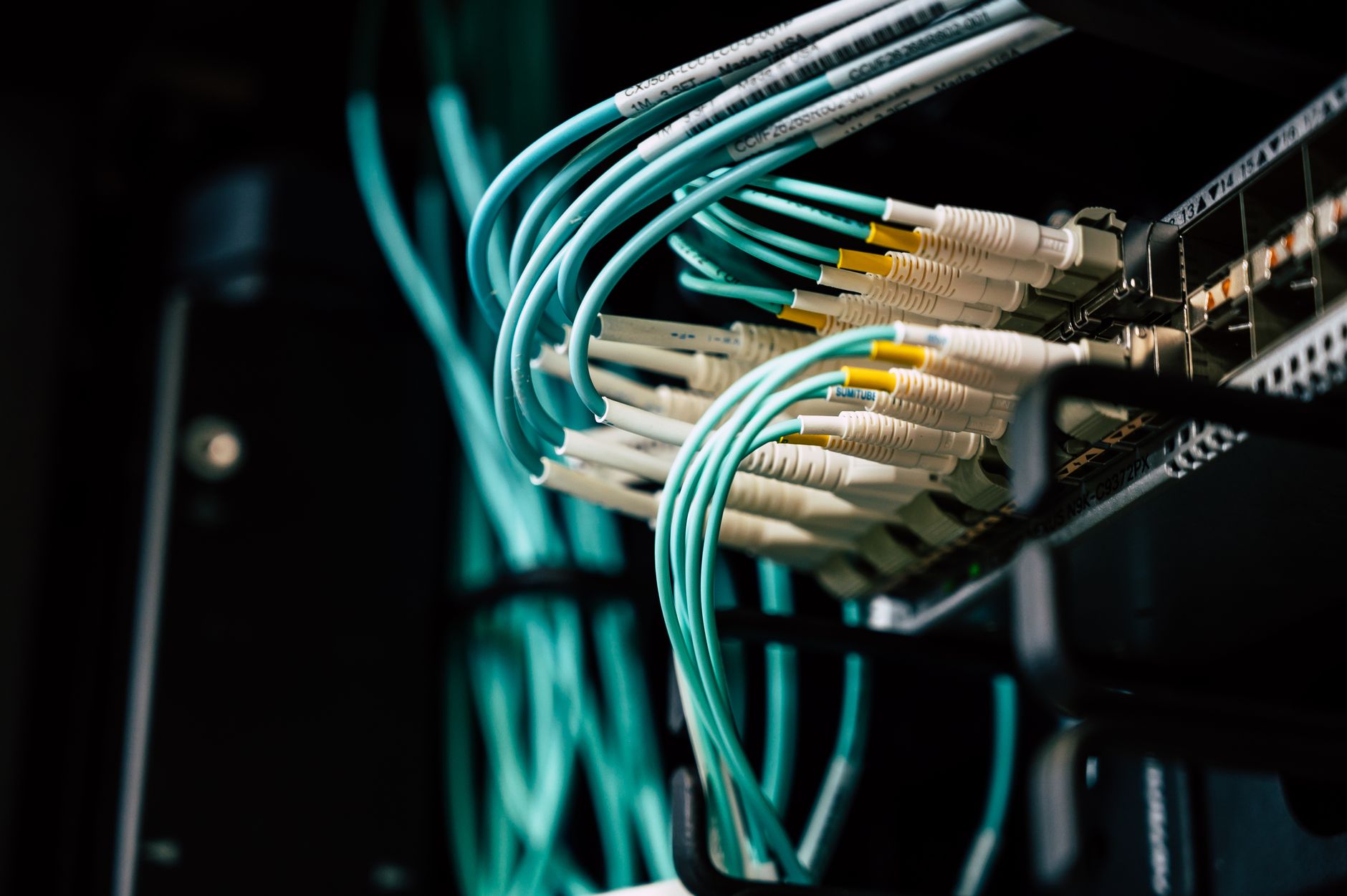
LightSolver’s core technology uses lasers and optical interference to perform combinatorial optimization computations — a class of problems where the solution space grows exponentially and GPUs burn enormous energy thrashing through possibilities sequentially. The company has claimed its system can tackle these workloads at speeds that outpace GPU-based solvers by orders of magnitude on applicable problem types. That is a significant caveat: photonic systems are not general-purpose replacements for GPUs, but for targeted optimization tasks embedded in AI pipelines, the performance gap can be decisive.
According to the acquisition announcement, LightSolver’s platform is already positioned for commercial deployment rather than sitting in a pure research stage. ColPlant gains not just the intellectual property but the team and the existing technology stack. The combined entity intends to pursue enterprise customers across sectors where combinatorial optimization is a recurring and expensive bottleneck, including pharmaceutical development — a domain ColPlant already understands from its bioprinting work — as well as supply chain management and financial services.
ColPlant’s Gamble on Hardware Diversification
ColPlant is threading a needle here. The company has built a credible position in regenerative medicine and bioprinting, areas with their own long development timelines and capital intensity. Layering in a photonic computing business introduces a second high-complexity technology track. But management appears to be betting that the convergence is real: advanced bioprinting and drug discovery workflows increasingly depend on computational optimization, and owning the compute layer gives ColPlant a potential vertical advantage competitors cannot easily replicate.
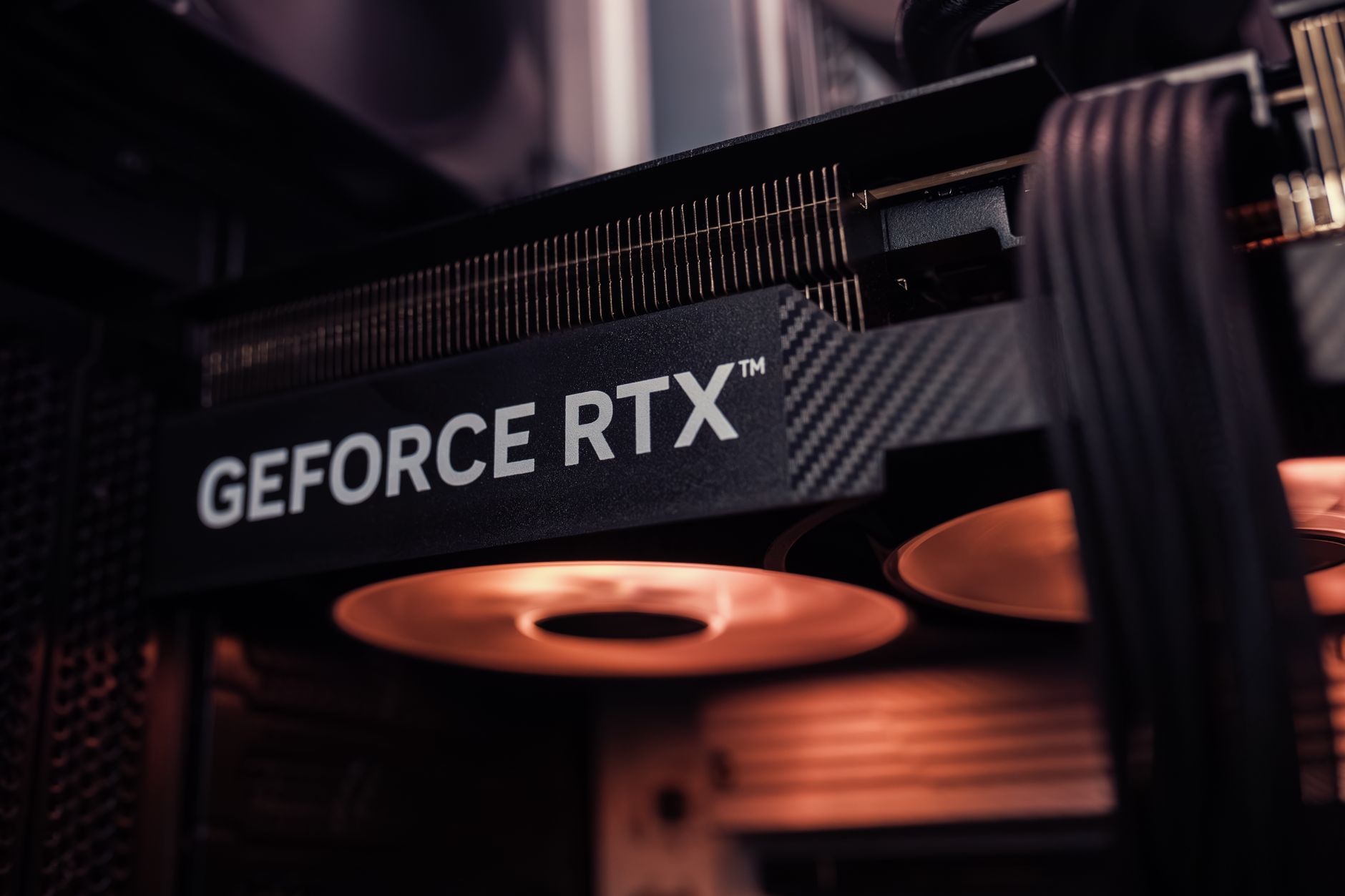
The broader strategic read matters here too. The AI hardware landscape is in a genuine ferment. Nvidia dominates general-purpose AI training and inference, but the market for specialized accelerators — whether photonic, neuromorphic, or analog — is wide open for the right combination of performance claims and enterprise trust. ColPlant is a small company making a large bet, and the credibility of that bet will hinge on whether LightSolver’s benchmarks hold up in production environments. The AI efficiency pressure on enterprise buyers is real, and any hardware that demonstrably cuts optimization time or energy cost will find an audience. Whether ColPlant can build a go-to-market engine fast enough to convert LightSolver’s technical promise into revenue is the open question the market will be watching closely over the next 12 to 18 months.