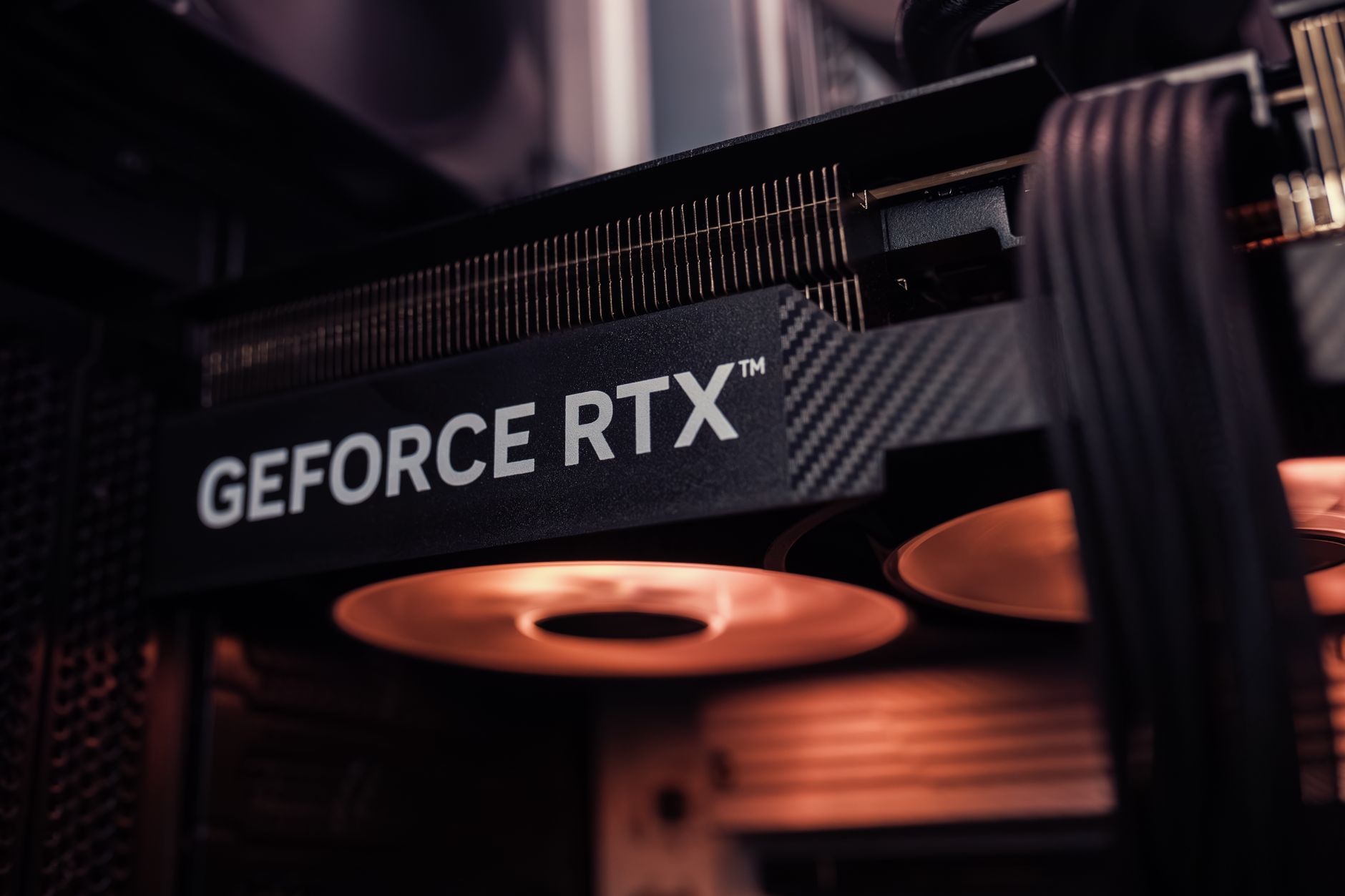
It started as a chatbot app named after a cartoon emoji. It ends as a $13 billion line item on Nvidia’s balance sheet. According to a Fortune report, Nvidia has agreed to acquire Hugging Face in a deal that reshapes the open-source AI landscape and hands the world’s most powerful chip company direct control over the platform that millions of researchers, startups, and enterprises use to share, fine-tune, and deploy machine learning models. For anyone tracking the AI consciousness debate or the broader question of who gets to define how artificial intelligence evolves, this deal is a five-alarm signal.
Hugging Face co-founder Thomas Wolf marked the moment with an official announcement on X, confirming the acquisition and reflecting on the company’s journey from scrappy outsider to the gravitational center of open AI development.
From Emoji App to the GitHub of AI
Hugging Face was not always synonymous with open-source AI infrastructure. The company launched as a consumer chatbot built around a friendly, conversational persona — its name pulled directly from the hugging face emoji. What changed everything was a pivot toward developer tooling and, crucially, a bet on openness at a moment when most serious AI labs were racing to lock their research behind proprietary walls. The Transformers library, which Hugging Face released and maintained, became the default toolkit for working with large language models. The platform’s model hub grew into a repository hosting hundreds of thousands of models, datasets, and demo applications.
That traction attracted serious capital. Hugging Face raised funding at valuations that climbed steadily through the early 2020s, pulling in investment from strategic backers including Google, Amazon, and Nvidia itself — which makes the acquisition a deepening of an existing relationship rather than a cold approach. The $13 billion price tag reflects not just the platform’s user base but its chokehold position in the model-sharing ecosystem. Any company building on open-source AI almost certainly moves through Hugging Face infrastructure at some point in its pipeline. That kind of centrality is exactly what Nvidia needs as it pushes beyond selling chips and into owning the full AI development stack.
What Nvidia Actually Buys — and What the Industry Loses
Nvidia’s strategic logic here is not subtle. The company already dominates AI compute through its H100 and Blackwell GPU lines. Owning Hugging Face gives it leverage at the software and community layer — the place where researchers decide which frameworks to use, which models to trust, and which hardware to optimize for. That creates a compounding advantage: models trained and shared on Hugging Face will be increasingly tuned for Nvidia silicon, making it harder for AMD, Intel, or any challenger to gain meaningful ground. The deal is less about acquiring a product and more about acquiring gravity.

The harder question is what the AI research community loses. Hugging Face built its reputation precisely on independence — it was the neutral ground where academics, startups, and even competing big-tech teams could collaborate without handing data or leverage to a single dominant player. That neutrality disappears the moment Nvidia’s incentives enter the equation. The concern mirrors broader anxieties about AI skill concentration — when a handful of platforms control access to tools and knowledge, the rest of the ecosystem becomes dependent rather than self-sufficient. Whether Nvidia preserves Hugging Face’s open ethos or quietly bends it toward proprietary ends will define how this deal is remembered. For now, the community is watching.