Somewhere in America, a $3.2 billion AI data center is being built. You might be able to find it on a satellite map. What you almost certainly cannot find is a clear answer to who actually owns it, who is liable if something goes wrong, and which regulators — if any — have real oversight of what happens inside. That accountability gap is not an accident. According to an Ars Technica investigation, it is increasingly the standard architecture for how the AI infrastructure boom is being financed and operated. The pattern connects directly to the broader AI investment surge reshaping the tech industry’s balance sheets.
The structure typically works like this: a hyperscaler or AI lab contracts with a developer, which creates a special-purpose vehicle, which leases land from one entity, takes construction financing from another, and signs a long-term power agreement with a third. By the time a facility is operational, accountability has been distributed so broadly across holding companies, sovereign wealth funds, private equity vehicles, and obscure LLCs that no single entity is clearly on the hook for anything from environmental impact to grid reliability to data governance.
Shell Companies All the Way Down
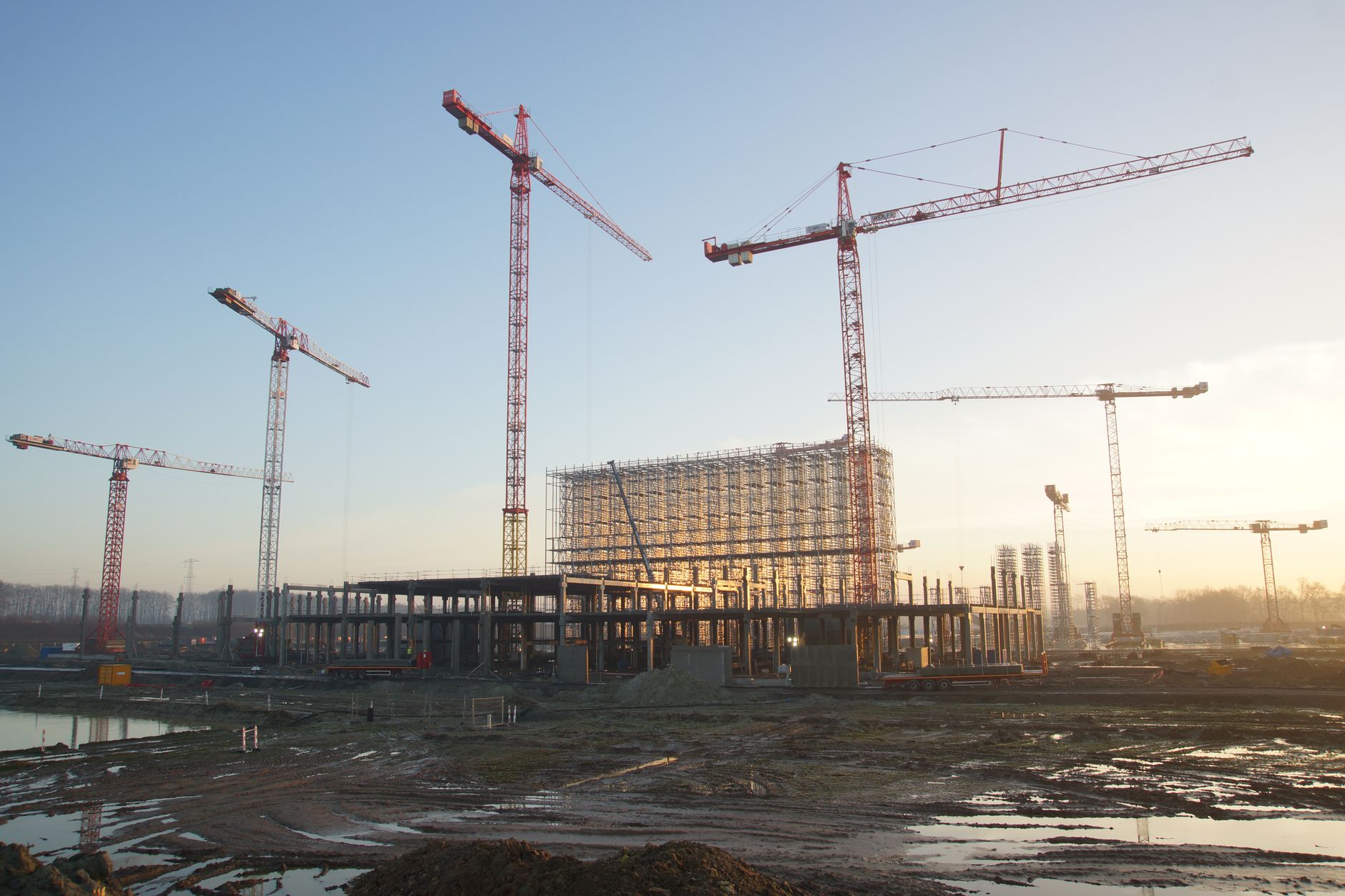
Ars Technica’s reporting documents specific cases where data center projects worth billions of dollars trace through four or five distinct legal entities before arriving at a recognizable corporate name. In one example, a facility consuming an estimated 500 megawatts of power — enough to supply roughly 400,000 homes — is nominally operated by a limited partnership whose general partner is itself a subsidiary of a holding company domiciled in a different state than the physical site. Local governments that approved permits often had no visibility into the ultimate beneficial owners at the time of approval.
The opaqueness is not just a transparency curiosity. It has direct consequences for who answers when cooling systems fail and cause a thermal event, who is responsible when a data center’s grid draw triggers rolling outages in surrounding communities, or who regulators can actually compel to produce records. Existing frameworks — from state utility commissions to federal environmental review — were not designed for ownership structures this fragmented, and they are visibly struggling to catch up.
Why the Industry Built It This Way
The structural complexity is partly a function of scale. Projects that cost $3 billion or more require capital stacks that no single investor or operator can assemble alone, which naturally pulls in multiple parties with different legal relationships to the asset. But Ars Technica’s reporting makes clear that the layering also serves deliberate strategic purposes: limiting liability exposure, qualifying for multiple jurisdictions’ tax incentives simultaneously, and preserving flexibility to sell or reassign individual pieces of the structure without triggering broader regulatory review.
The timing matters enormously. The AI industry is in the middle of a construction sprint unlike anything the tech sector has seen, with hundreds of billions in data center investment announced or underway globally. The demand driving that sprint is also accelerating — the race toward more capable frontier models, reflected in milestones like the GPT-6 Astra launch covered by VentureBeat, means compute appetite is not plateauing anytime soon. That leaves regulators chasing an accountability framework for infrastructure that is already in the ground and already online, which is almost always a losing position. The window to establish clear ownership and liability standards before the next wave of facilities breaks ground is narrowing fast — and right now, nobody is moving quickly enough to close it.