Eight years is a long time to wait for anything — and for the scientists behind Europe’s BepiColombo mission, the wait is finally almost over. The joint European Space Agency and JAXA spacecraft, launched in October 2018, is now on final approach to Mercury, the solar system’s least-explored rocky planet, according to Ars Technica’s coverage of the milestone. For a mission built to answer foundational questions about planetary formation, this moment is as significant as any rocket launch — arguably more so. It’s also a reminder that the most ambitious space science often runs on timescales that dwarf even the longest AI data center buildout cycles.
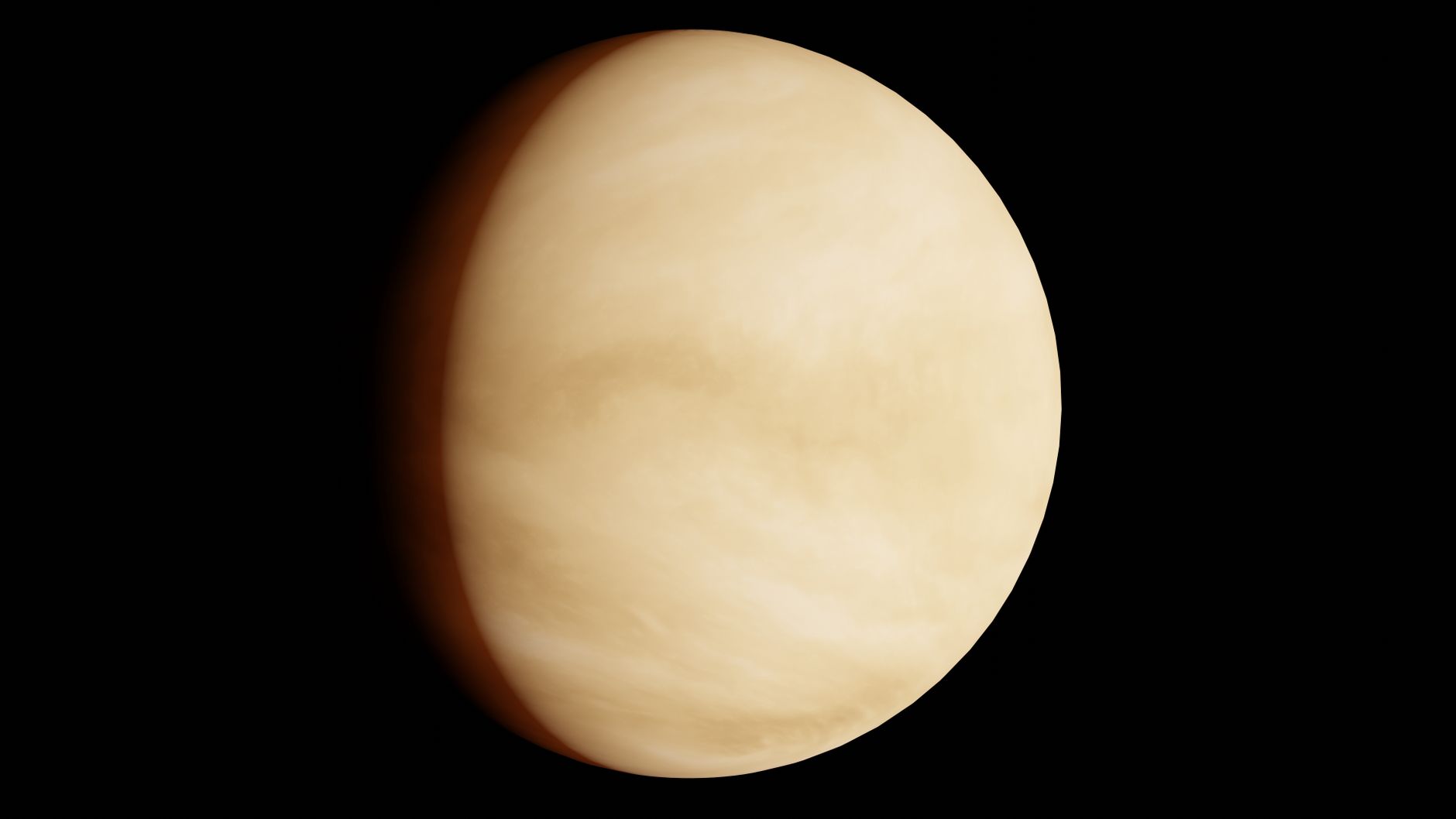
BepiColombo traveled roughly 5.5 billion miles to reach Mercury, executing a complex series of gravitational flyby maneuvers around Earth, Venus, and Mercury itself before arriving at its destination. That winding trajectory wasn’t inefficiency — it was engineering necessity. Getting a spacecraft into a stable orbit around Mercury is notoriously difficult because the Sun’s enormous gravitational pull makes it nearly impossible to simply fly straight there and slow down. The mission used nine planetary flybys in total to shed enough velocity to be captured by Mercury’s gravity.
A Two-in-One Science Platform Unlike Anything Sent Before
BepiColombo is not a single spacecraft. It’s actually two orbiters stacked together for the journey: ESA’s Mercury Planetary Orbiter (MPO) and JAXA’s Mercury Magnetospheric Orbiter (MMO), nicknamed Mio. Once the composite craft is captured into Mercury orbit, the two orbiters will separate and take up distinct orbital paths tailored to their respective science objectives. MPO will map the planet’s surface and composition in high resolution; Mio will focus on Mercury’s surprisingly active magnetic field and its interaction with the solar wind.
The science case for Mercury is more compelling than the planet’s reputation suggests. Despite being the closest planet to the Sun, Mercury has water ice confirmed in permanently shadowed craters near its poles. Its outsized iron core — which makes up roughly 85 percent of the planet’s radius — has puzzled planetary scientists for decades and may hold clues to how all rocky planets, including Earth, formed and differentiated. BepiColombo’s instrument suite, which includes spectrometers, cameras, magnetometers, and particle detectors spread across both orbiters, is purpose-built to dig into exactly those questions.
The Hard Part Isn’t Over Yet
Reaching Mercury is one thing. Getting into science orbit is another challenge entirely. BepiColombo still needs to complete its Mercury orbit insertion sequence, a critical burn that must go precisely right or the spacecraft overshoots into deep space. The thermal environment near Mercury is punishing — surface temperatures swing from roughly 430 degrees Celsius on the sunlit side to minus 180 degrees Celsius in darkness — and the spacecraft’s thermal shielding has been operating under intense scrutiny throughout the cruise phase.
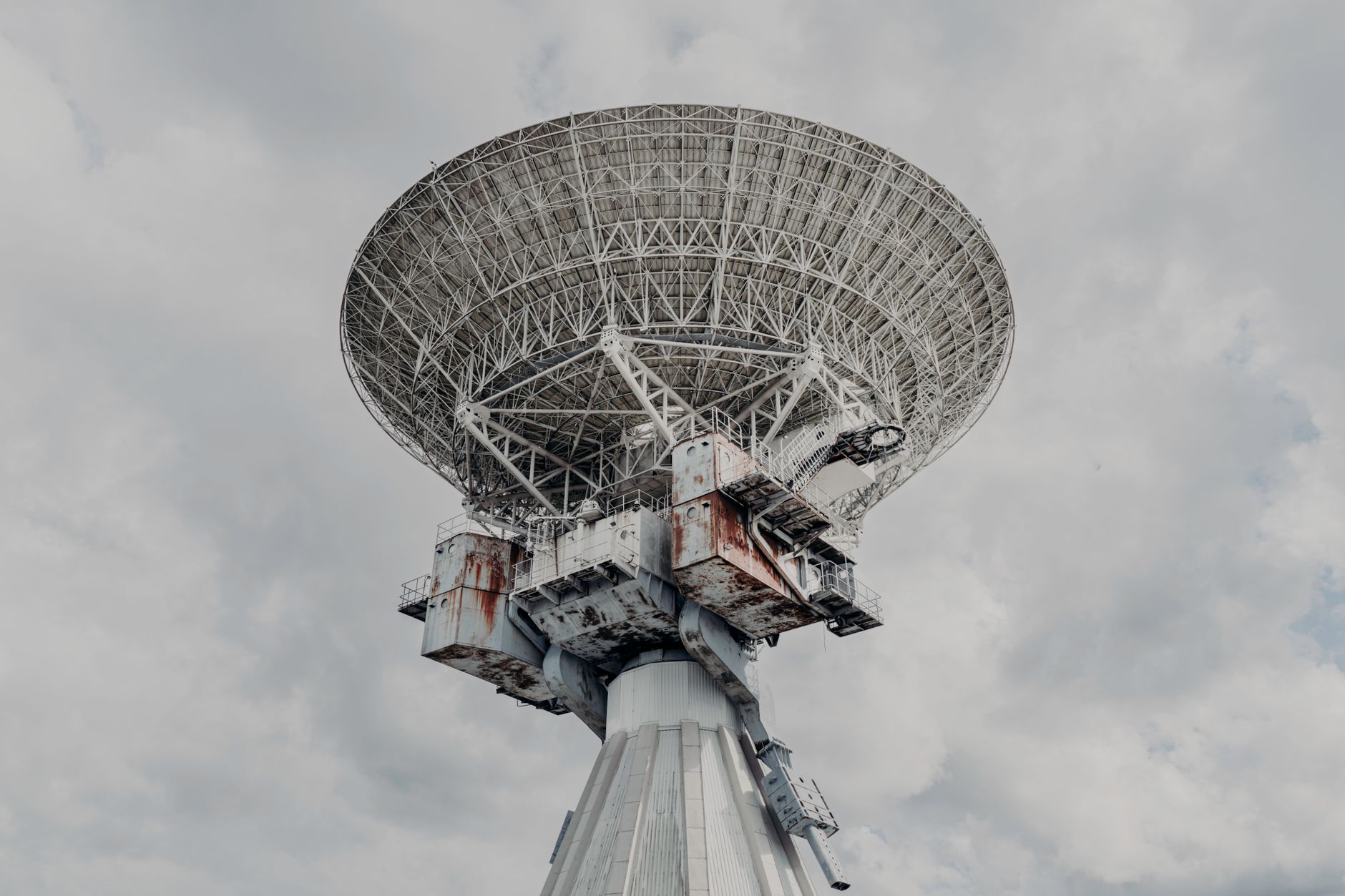
Mission controllers at ESA’s European Space Operations Centre in Darmstadt, Germany will oversee the insertion carefully, with communication delays adding their usual tension to every critical command sequence. If all goes according to plan, both orbiters will begin their primary science missions in 2027 and are expected to operate for at least one Earth year, with a possible extension. After nearly a decade of flying, the real work — the reason BepiColombo was built in the first place — is just about to begin. And given how little we still know about the innermost planet in our solar system, planetary scientists have every reason to be watching closely. Autonomous systems in space, much like autonomous systems closer to home, are increasingly doing the exploratory heavy lifting that humans simply cannot.