Tesla’s Cybercab — the steering-wheel-free, pedal-free robotaxi that Elon Musk has been promising for years — is now operating on public roads. That is genuinely significant. But as TechCrunch Mobility reported, the rollout has already hit a meaningful snag, a reminder that getting an autonomous vehicle into a press event is a very different challenge from deploying one reliably at scale. For a company that has staked enormous credibility on full self-driving technology, the gap between demo and dependable service still matters enormously. And regulators are already paying close attention — federal investigators opened a probe into the Cybercab almost immediately after its public debut, as Future Wire covered in our earlier reporting on the Cybercab federal investigation.
What the Cybercab Actually Is — and Where It’s Running
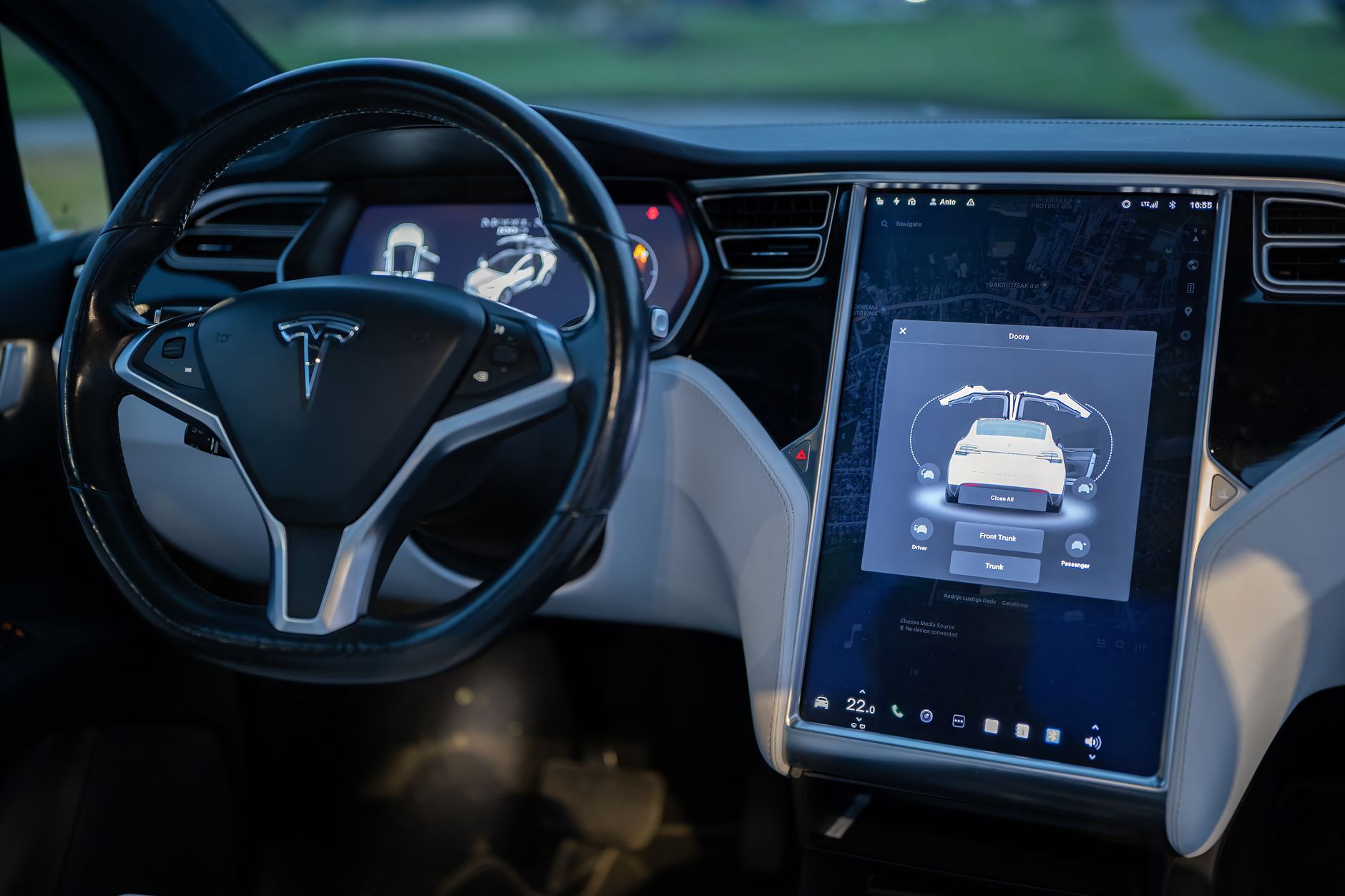
The Cybercab is Tesla’s purpose-built robotaxi, designed from the ground up without manual controls. There is no steering wheel, no brake pedal, no accelerator. It is built exclusively to be driven by Tesla’s Full Self-Driving software stack, which the company has been iterating on through its consumer vehicle fleet for years. The vehicle is compact, two-passenger, and styled with the angular aesthetic familiar from the Cybertruck. Tesla has positioned it as the hardware centerpiece of a future autonomous ride-hailing network it intends to operate.
Initial Cybercab operations are rolling out in a limited geographic area, with Tesla controlling deployment carefully as it gathers real-world performance data. The company has framed this as a phased expansion, the kind of cautious ramp that Tesla’s critics have long argued the company should have adopted years earlier with its broader FSD rollout. Whether the current operational zone expands quickly or stays constrained will be one of the clearest signals of how confident Tesla’s engineering teams actually are in the system’s reliability under varied conditions.
The Snag — and Why It Signals a Harder Road Ahead
The problem TechCrunch flagged is not a minor software glitch — it points to a structural tension in Tesla’s approach. Operating a driverless ride-hail service means the vehicle cannot rely on a human to recover from edge cases. Every unusual scenario, every ambiguous traffic situation, every unexpected road condition has to be handled entirely by the software or escalated to a remote operator. That is a much higher bar than the assisted-driving systems Tesla sells to consumers, where a human is legally and physically present to intervene.
The broader autonomous vehicle industry has learned this lesson at steep cost. Waymo has logged tens of millions of fully driverless miles and still operates within geofenced zones with extensive prior mapping. Cruise’s high-profile operational collapse in 2023 after a serious pedestrian incident demonstrated how quickly regulatory and public trust can evaporate. Tesla is entering commercial robotaxi service with a vision-only sensor approach — no lidar — that remains its most controversial technical bet. If the Cybercab’s snags prove to be systemic rather than isolated, that bet will face its most serious scrutiny yet. The autonomous systems market is watching closely, with investors across robotics and mobility sectors acutely sensitive to any sign that real-world deployment is harder than the demos suggested.
What happens in the next few months matters beyond Tesla. A credible Cybercab rollout would validate vision-based autonomy and potentially reshape how the entire industry thinks about sensor suites and mapping requirements. A stumble — particularly one that draws further federal scrutiny — could slow not just Tesla but the regulatory appetite for broader robotaxi expansion across the country. The road is open. Whether Tesla can stay on it is still very much an open question.