Tesla’s Cybercab — a two-seat, fully driverless taxi with no steering wheel and no pedals — hit public roads in Austin, and federal regulators were already circling before the novelty wore off. The National Highway Traffic Safety Administration opened a formal probe into the vehicle within a day of launch, according to Fortune’s investigation, raising pointed questions about whether Tesla’s self-certification process is rigorous enough for a vehicle this far outside the conventional regulatory framework. That’s an almost unprecedented speed for government scrutiny — and it signals exactly how much political and safety pressure is now riding on the autonomous vehicle industry’s most visible bet. The broader self-certification debate is not new to tech-adjacent industries, but it has rarely carried this kind of immediate consequence.
Ars Technica reported the story under the headline “Tesla’s Cybercab has been deployed, and it’s already under investigation,” capturing the whiplash timeline that has defined the Cybercab’s first week in service. Elon Musk launched the vehicles in Austin with characteristic bravado, describing a future dense with autonomous taxis. What he got instead was a regulatory fire drill.
Zero Steering Wheel, Zero Regulatory Runway
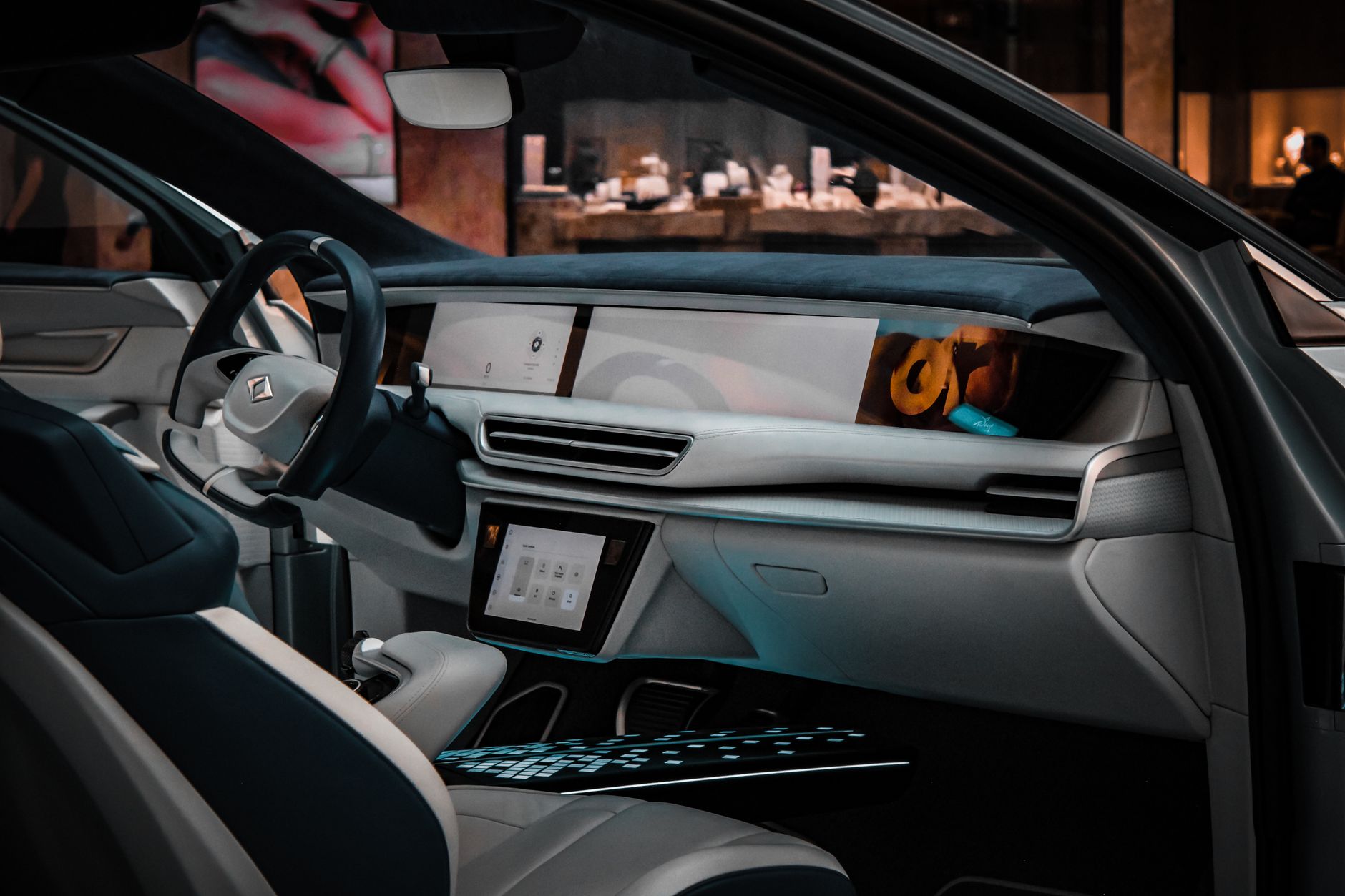
The Cybercab’s hardware is genuinely novel in ways that strain existing safety rules. It carries no manual override — no steering wheel, no brake pedal, no handoff mechanism for a human driver. That design forces Tesla into a regulatory gray zone: current federal motor vehicle safety standards were written with human operators in mind, so Tesla leaned on an exemption process and its own internal certification to clear the vehicle for road use. NHTSA is now unconvinced that process was sufficient, per Fortune’s reporting, and has opened its investigation to scrutinize exactly how Tesla validated the vehicle’s safety case without traditional oversight checkpoints.
Tesla’s approach reflects a broader industry posture that robotaxis scaling now, fixing problems later — a strategy Business Insider identified as endemic across the sector, with Waymo and Zoox also pushing deployment faster than their safety data can fully justify to outside observers. For Tesla, the risk calculus is steeper: unlike Waymo, which uses a dense suite of lidar and radar sensors, the Cybercab relies on Tesla’s camera-based Full Self-Driving architecture, a system that has accumulated a long public track record of edge-case failures in non-robotaxi contexts.
Public Skepticism Meets Musk’s Ambitions
The timing of the launch itself was revealing. Tesla rolled out what Musk called a “storm of Cybercabs” in Austin even as polling showed that roughly 70 percent of Americans say they are uncomfortable riding in a driverless car, according to Fortune’s launch coverage. That gap between executive vision and public trust is not a minor PR problem — it is the structural challenge that every robotaxi operator has to close before the business model scales, and Tesla is now trying to close it in public, under regulatory scrutiny, in real traffic.
CNET noted that the Cybercab launch and the federal investigation landed almost simultaneously, compressing what is normally a months-long regulatory response into a single news cycle. That compression matters because it changes the narrative arc Tesla was counting on — a triumphant debut followed by gradual adoption — into something messier and more contested. Whether NHTSA’s probe results in operational restrictions, mandatory safety audits, or a broader rulemaking process for steering-wheel-free vehicles will define not just the Cybercab’s future but the regulatory ceiling for every fully driverless platform behind it.
For now, the Cybercab is still operating in Austin. But the investigation has already done one concrete thing: it has made clear that deploying a vehicle without a steering wheel is not a design choice regulators are prepared to wave through on Tesla’s word alone.