
Getting a commercial sensor cleared for military use is a long, punishing road. Innoviz Technologies just crossed it. The Israeli LiDAR maker announced that MAFAT — the Israeli Ministry of Defense’s Directorate of Defense Research and Development — has formally recognized its LiDAR technology as suitable for defense applications, according to a PR Newswire release from Innoviz. That recognition, issued through the Israel Defense Forces, amounts to one of the most consequential endorsements a sensor company operating in this space can receive.
The milestone is especially meaningful for Innoviz given how competitive the 3D sensing market has become. The company, headquartered in Tel Aviv, has been pushing its solid-state InnovizOne and InnovizTwo platforms into automotive and industrial markets — and now that same underlying technology stack is being validated for the far more demanding requirements of military deployment. For context on Israel’s broader high-tech momentum, Future Wire covered how the country’s defense and startup ecosystems intersect at events like the TECH1 2026 summit in Tel Aviv this year.

What MAFAT’s Recognition Actually Means
MAFAT doesn’t hand out endorsements casually. The directorate functions as the Israeli defense establishment’s technology gatekeeper — vetting commercial and research-stage systems before they can be formally integrated into IDF platforms and procurement pipelines. A recognition from MAFAT signals that Innoviz’s sensor capabilities have cleared rigorous evaluation criteria tied to operational reliability, performance under stress conditions, and fit for military-grade use cases.
Innoviz’s LiDAR technology produces high-resolution, real-time 3D point-cloud imaging — the kind of spatial awareness layer that autonomous ground vehicles, surveillance drones, and perimeter security systems depend on. The InnovizTwo sensor, the company’s most advanced commercial unit, delivers a 250-meter detection range and a 0.1-degree angular resolution, specs that translate directly into advantages for target detection and situational awareness in contested environments. The MAFAT nod positions those specs as not just commercially competitive, but operationally credible inside one of the world’s most demanding defense ecosystems.
Why This Opens a Bigger Door Than It Looks
Defense validation in Israel tends to travel. Israeli military certifications carry outsized weight among allied procurement offices in the United States, Europe, and across NATO partner nations — particularly for dual-use sensor hardware with clear battlefield applications. For Innoviz, which went public via SPAC in 2021 and has been navigating a challenging market environment alongside much of the LiDAR industry, the MAFAT recognition is a credible new revenue narrative to bring to international defense contractors and system integrators.
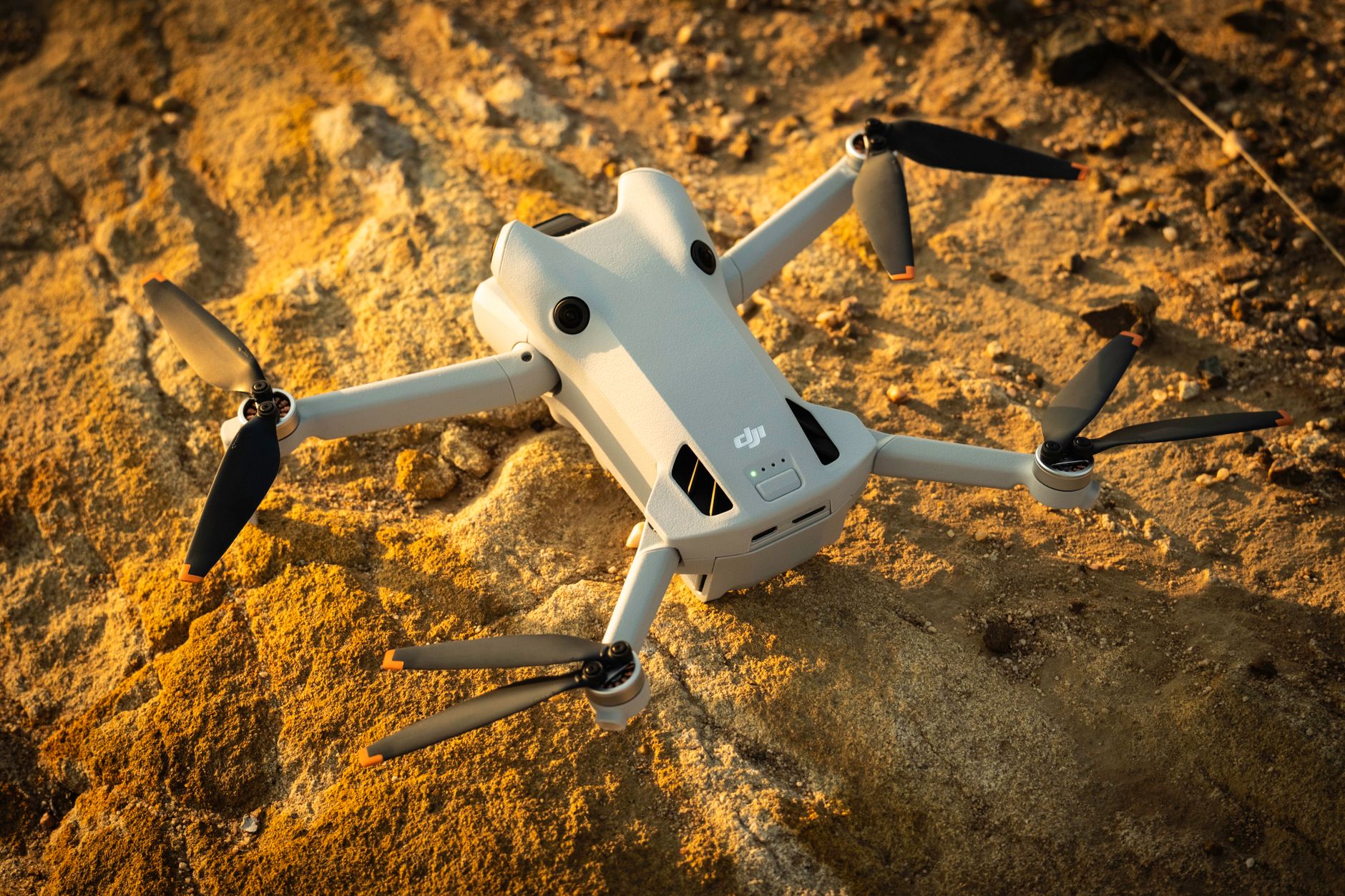
The timing matters too. Autonomous and semi-autonomous defense systems are moving from experimental programs to active procurement conversations across multiple governments. Platforms that can navigate, surveil, and respond without direct human piloting require exactly the kind of precise spatial sensing that LiDAR provides — and the companies that secure early military validation stand to capture a disproportionate share of that spend. Innoviz is now on that shortlist for Israel, and by extension, for allied markets watching IDF technology choices closely. Whether the company can convert this recognition into signed contracts will be the real test — but clearing the MAFAT bar is the prerequisite everything else depends on.