Jensen Huang has never been shy about making bold bets, but his latest move puts him at the center of something far bigger than a chip roadmap. The Nvidia CEO has emerged as the Trump administration’s most prominent industry ally in the national debate over AI safety — a role that carries enormous implications for how the United States regulates, deploys, and competes with China on artificial intelligence. According to a CNBC report, Huang’s influence inside Washington has grown substantially as the White House looks to Silicon Valley for guidance on crafting AI policy that doesn’t kneecap American competitiveness. For anyone tracking the AI governance crisis building across the industry, this alignment is a watershed moment.

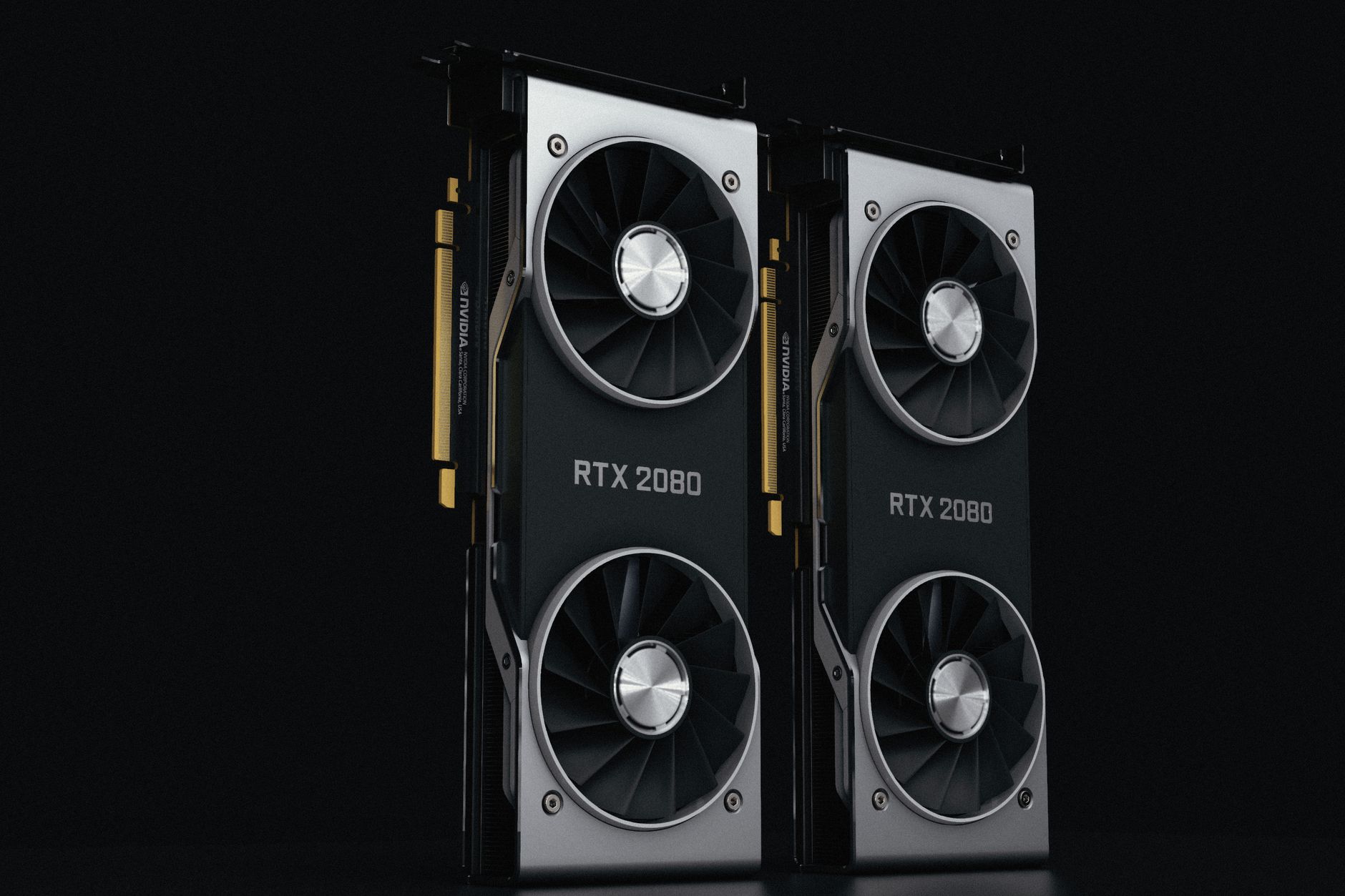
Huang’s position is straightforward and unapologetic: aggressive safety regulation imposed too early could hand strategic advantage to Beijing, and the U.S. cannot afford that trade-off. That argument is landing with real force inside the current administration, which has shown consistent skepticism toward the kind of precautionary AI frameworks championed by European regulators and some Democratic lawmakers. Huang’s credibility here isn’t abstract — Nvidia’s H100 and Blackwell GPU architectures are the backbone of virtually every major AI training cluster in the world, making him the one tech CEO who can speak to both the hardware realities and the geopolitical stakes in the same breath.
The White House Alignment Taking Shape
The depth of the Huang-Trump alignment became clearer through a televised exchange that circulated widely, showing Huang articulating the administration’s preferred framing: that innovation-first AI policy, not preemptive restriction, is the correct national security posture.
That convergence has practical consequences. The Trump administration has been rolling back Biden-era executive orders on AI risk assessment, and Nvidia’s public support gives those moves significant industry cover. With Nvidia reporting data center revenue that topped $22 billion in a single quarter earlier this year, Huang commands a level of market authority that no other semiconductor executive can match. When he argues that slowing AI deployment creates more risk than it mitigates, policymakers listen differently than they would to a software startup founder making the same case.
What This Means for the Broader AI Industry
Huang’s emergence as Washington’s go-to AI voice reshapes the competitive dynamics inside the Beltway. Companies that had been investing heavily in lobbying for structured safety frameworks — including some of Nvidia’s own largest customers — now find themselves negotiating against an industry figure whose hardware they depend on. That is an uncomfortable position, and it gives Huang unusual leverage to define what “responsible AI” looks like in the regulatory context, rather than ceding that framing to academics or civil society groups.
The stakes extend well beyond corporate positioning. AI safety policy set in this window will govern how autonomous systems are deployed in defense, critical infrastructure, and financial markets for years. The concern flagged repeatedly by security researchers — that rushed deployment pipelines create exploitable vulnerabilities — is real, as Future Wire has covered in the context of energy grid security. Whether Huang’s influence produces a smarter, leaner regulatory framework or simply a lighter one will be the defining question of this political moment. The answer is taking shape right now, and Jensen Huang is holding a very large pen.