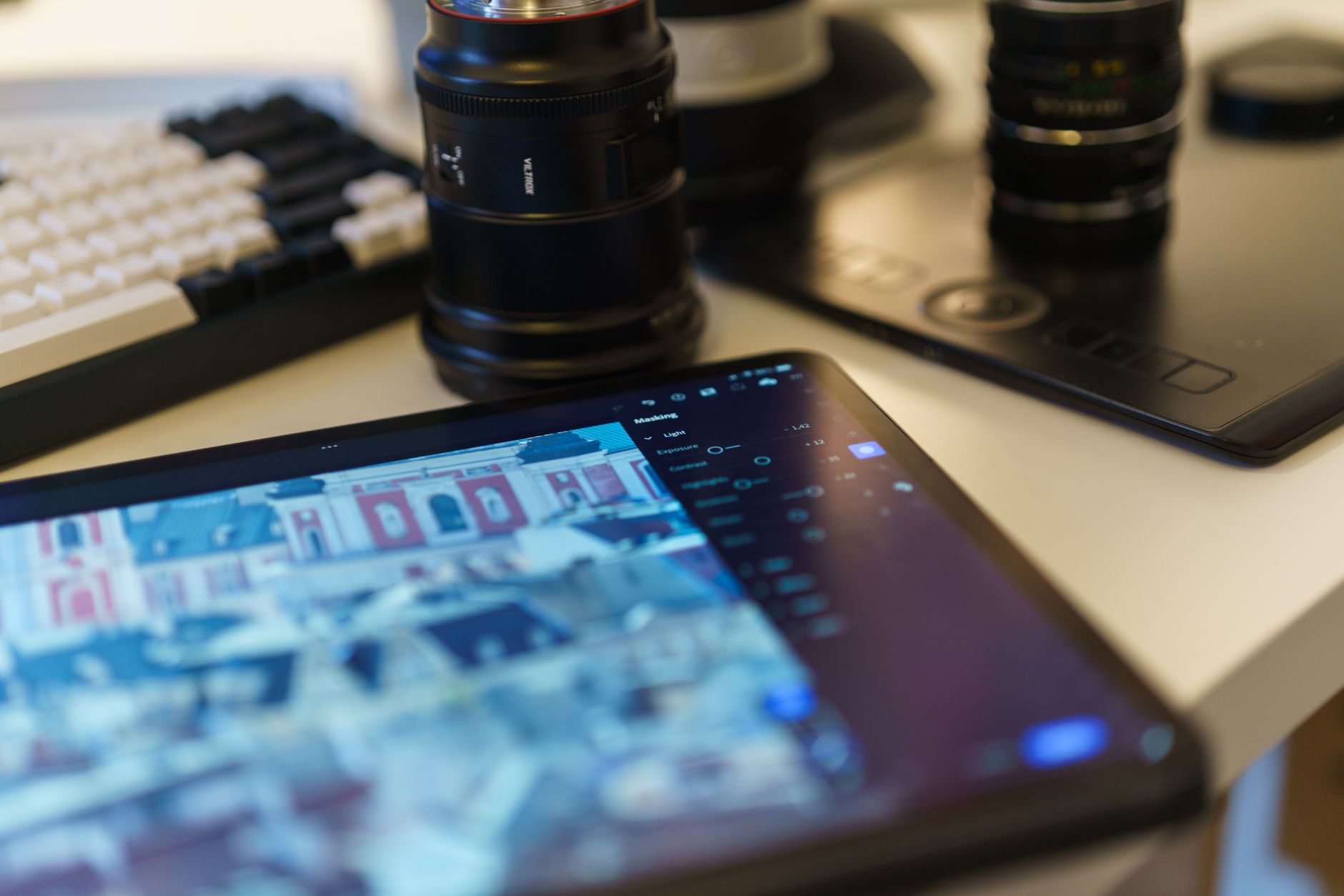
For years, Android users watched iPhone owners get first access to some of the most capable mobile video-editing software on the market. That wait is over. Adobe has officially launched Premiere on Android, bringing one of the most feature-rich editing apps in mobile history to a platform that represents the majority of the world’s smartphone users. As Wired reported, the app arrives with a suite of AI-powered tools that were previously exclusive to iOS — and the timing signals Adobe is serious about capturing the creator economy on every screen it can reach.
The development follows Telegram Backdoor Called, part of Future Wire’s continuing coverage of the space.
The move matters beyond brand expansion. Mobile video creation has exploded in the past three years, driven by short-form platforms demanding constant, high-quality output. Tools that once lived only on desktop editing suites are now essential in-pocket utilities, and Adobe has spent considerable engineering effort shrinking Premiere’s power down to a touch interface. That same AI momentum is reshaping other corners of tech, too — from Meta’s Muse AI setting mobile launch records to generative tools embedding themselves inside creative workflows at every level.
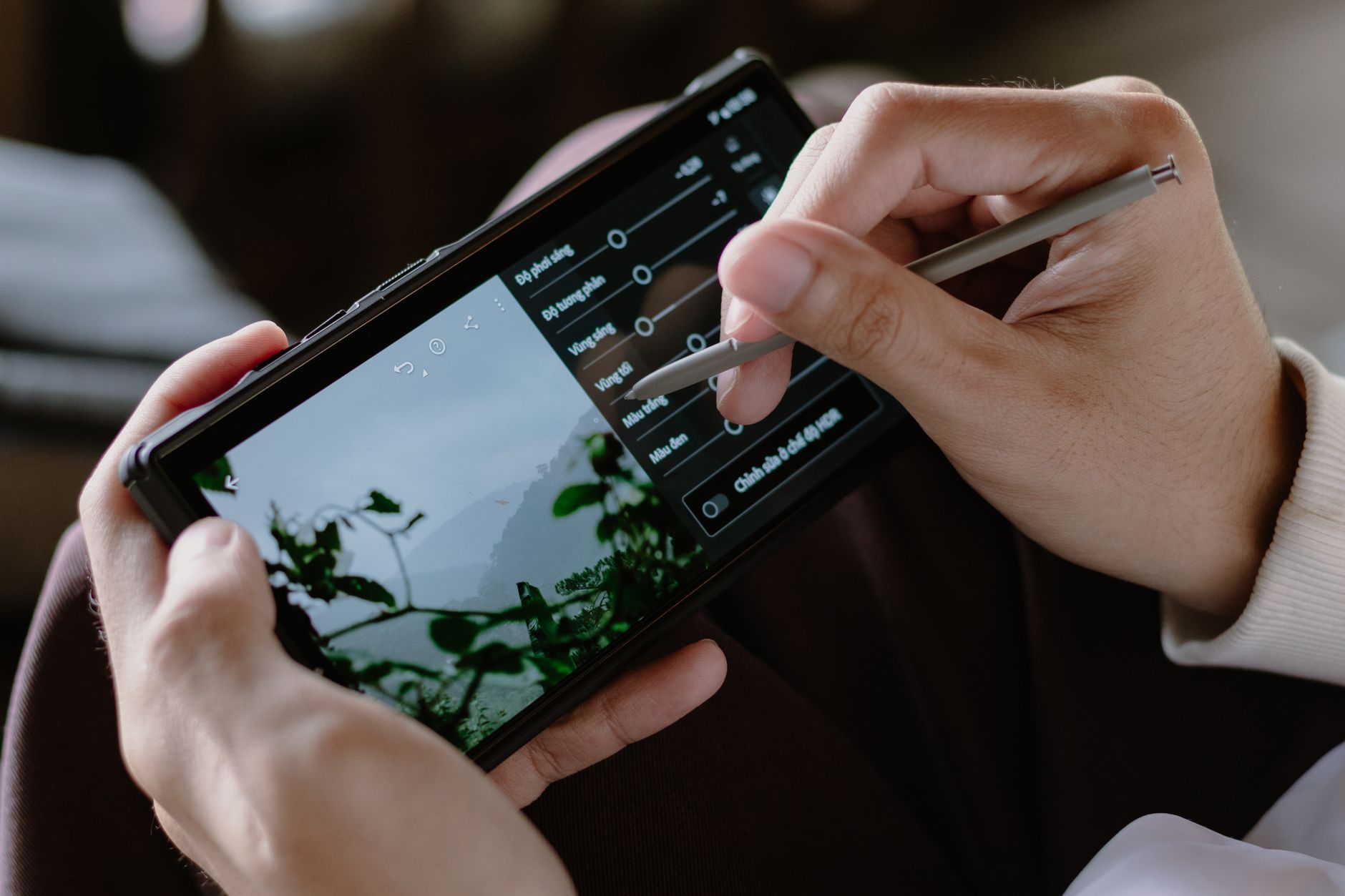
What the Android Version Actually Delivers
The Android release of Adobe Premiere isn’t a stripped-down port. According to Wired’s coverage, the app includes AI-powered features such as automatic captioning, background noise reduction, and generative extend — a tool that uses Adobe’s Firefly AI model to lengthen clips by synthesizing new frames at their edges. These are not features you’d expect to find in a free mobile app, and Adobe is clearly positioning Premiere as a premium offering in a market crowded with lighter-weight alternatives like CapCut and InShot.
The app also supports editing across multiple aspect ratios simultaneously, which is a direct nod to creators managing content pipelines for TikTok, Instagram Reels, and YouTube Shorts at the same time. Multi-track audio editing, color correction tools, and direct export to social platforms round out a feature set that looks more like a condensed version of the desktop experience than a companion app. Adobe offers the app under its Creative Cloud subscription umbrella, meaning existing subscribers get access without an additional fee — a meaningful unlock for anyone already paying for the ecosystem.
The Competitive Stakes for Adobe and the Android Creator Market
Android’s global install base dwarfs iOS by a significant margin — the platform powers roughly 72 percent of smartphones worldwide, according to widely cited market share data. That’s an enormous addressable audience that Adobe has, until now, left largely untapped at the premium end of mobile editing. Competitors have not been idle. ByteDance’s CapCut has aggressively expanded its AI feature set and remains free, while Google’s own editing tools are baked directly into Android devices. Adobe coming to Android with a full-featured, subscription-backed product is a direct challenge to that incumbency.
The launch also fits neatly into Adobe’s broader strategy of weaving Firefly generative AI into every product it ships. Mobile is no longer a secondary screen for professional creators — it is often the primary production environment, especially for the independent creators and social-first video producers who represent the fastest-growing segment of the content economy. Adobe getting Premiere onto Android closes a distribution gap that has quietly cost the company relevance with an entire generation of creators who never picked up an iPhone. Whether the subscription model holds up against free-tier competition will be the real test, but the capability argument is now firmly in Adobe’s favor on both major platforms.