YouTube is not content being a video platform anymore. At its annual Made on YouTube event, the Google-owned giant unveiled a sweeping set of AI-powered creator tools and integrated shopping features that signal a clear ambition: become the dominant infrastructure layer for the creator economy, from production through purchase. As Economic Times reported, the announcements span automatic dubbing, AI-generated video assets, and real-time product tagging — a stack that could fundamentally change how creators produce and monetize content. For context on how platform AI integrations are reshaping user behavior, our earlier look at Meta’s Muse AI debut offers a useful benchmark.
The scale of YouTube’s push is notable. The platform already hosts over 500 hours of video uploaded every minute, and the new tooling is designed to work at that volume — automating tasks that previously required professional post-production budgets. That democratization play is deliberate, and it puts YouTube in direct competition with standalone AI video tools from startups that have raised hundreds of millions in venture funding over the past two years.
Auto-Dubbing, Dream Screen, and the AI Production Suite
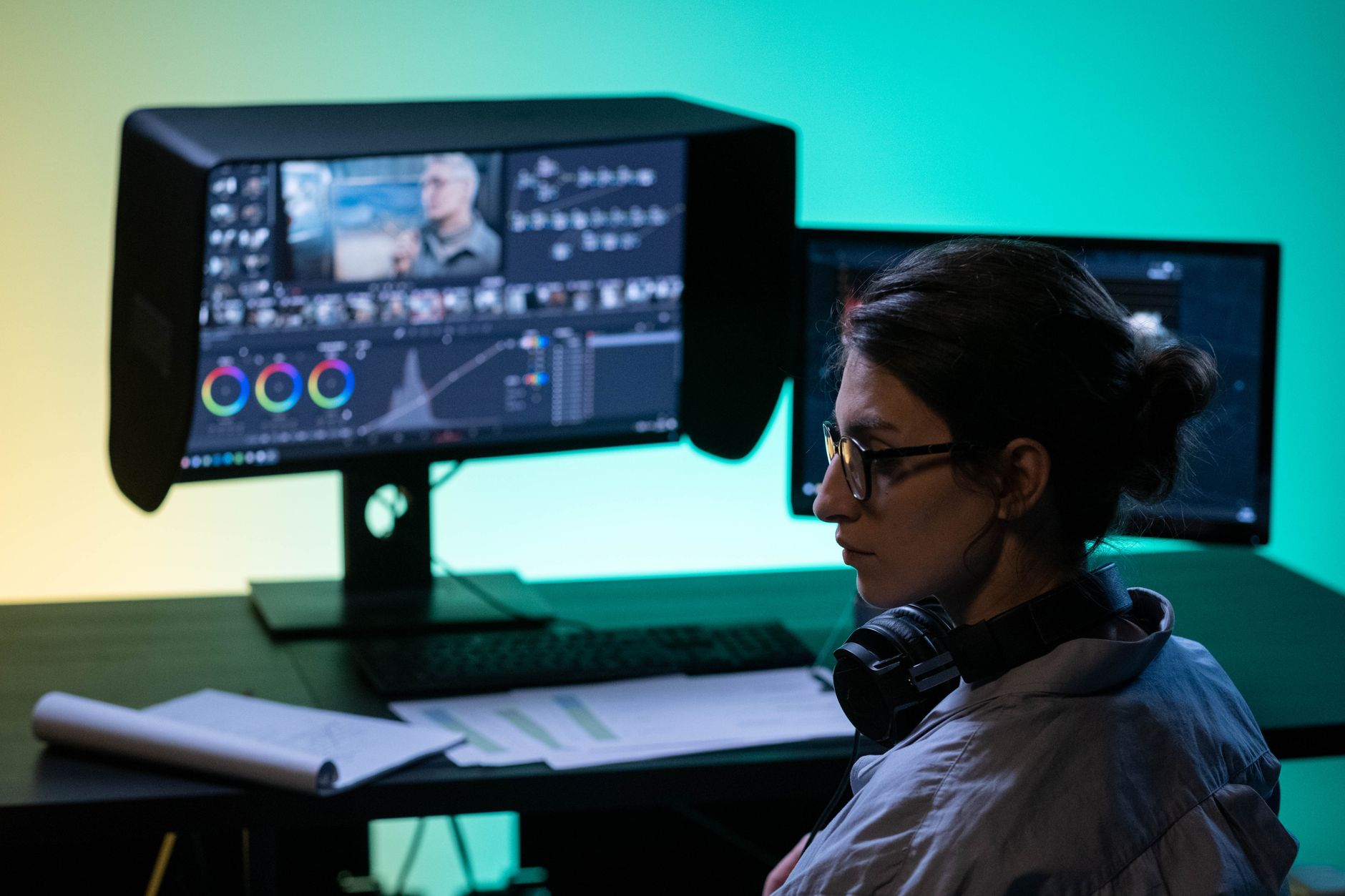
The headline feature is an expansion of YouTube’s auto-dubbing capability, which uses AI to translate and re-voice creator content into multiple languages without the creator recording a single additional take. The tool has been in limited testing but is now rolling out more broadly, with YouTube claiming it preserves the original speaker’s vocal tone and cadence — a technical bar that earlier translation tools consistently failed to clear. For creators chasing global audiences, it removes one of the most expensive friction points in international distribution.
Alongside dubbing, YouTube is expanding Dream Screen, its AI background and image generation feature for Shorts. Creators can now generate full video clip backgrounds — not just static images — using text prompts directly inside the Shorts camera interface. The company is also introducing an AI-powered video ideation tool that analyzes a creator’s existing channel performance and suggests content formats, topics, and posting cadences tailored to their specific audience data. These tools collectively suggest YouTube is building something closer to an AI co-producer than a simple editing assistant, a development that sits in the same conversation as broader concerns a Google safety executive has raised about AI’s expanding role in shaping what younger audiences consume.
Shopping Gets Woven Into the Viewing Experience
The commerce push is arguably just as consequential. YouTube is deepening its shoppable video features, allowing creators and brands to tag products directly within videos so viewers can browse and buy without leaving the player. The integration pulls live inventory and pricing data, meaning a tagged item reflects real-time availability — a capability that closes the gap between content and conversion in ways static affiliate links never could.
YouTube is also introducing a feature that automatically identifies products that appear in videos and surfaces purchase options, even when the creator has not manually tagged anything. That passive commerce layer could unlock revenue streams for older catalog videos that were never set up for monetization, turning a creator’s entire back library into a potential storefront. Combined with the AI production tools, the pitch to creators is straightforward: make more content faster, reach more people in more languages, and earn from every frame of it. Whether that pitch translates into a meaningful shift away from rival platforms — TikTok Shop and Instagram’s own commerce integrations included — will depend on how cleanly these features work outside a demo environment. But the direction is unmistakable: YouTube is engineering itself into the center of a creator’s entire working life.