
Roku has never made an OLED TV before. Now it has — and for a limited window, the company is cutting prices dramatically to get them into living rooms. The Roku Pro Series OLED lineup is currently on sale with discounts of up to $400, bringing the entry-level 55-inch model down to $699, according to The Verge. For a brand making its debut in the premium TV segment, that is an aggressive opening move. It puts Roku in direct competition with established OLED players at a price point that is hard to ignore, especially heading into the back half of a year when TV deals tend to stack up around major retail events.
The Pro Series represents a significant step up from Roku’s existing LCD and QLED offerings. OLED panels deliver per-pixel lighting, which means true blacks, no local dimming zones to manage, and contrast ratios that LCD-based sets simply cannot match. For a platform company that has long positioned itself as the software layer on top of other manufacturers’ hardware, building its own premium display is a strategic escalation — a sign that Roku wants more of the margin and more of the identity that comes with owning the full product. If you follow how companies are racing to own integrated hardware-software ecosystems, it echoes patterns playing out across the tech industry, from Meta’s wearable bets to Alphabet’s Pixel ambitions.
What You Get at Each Price Tier
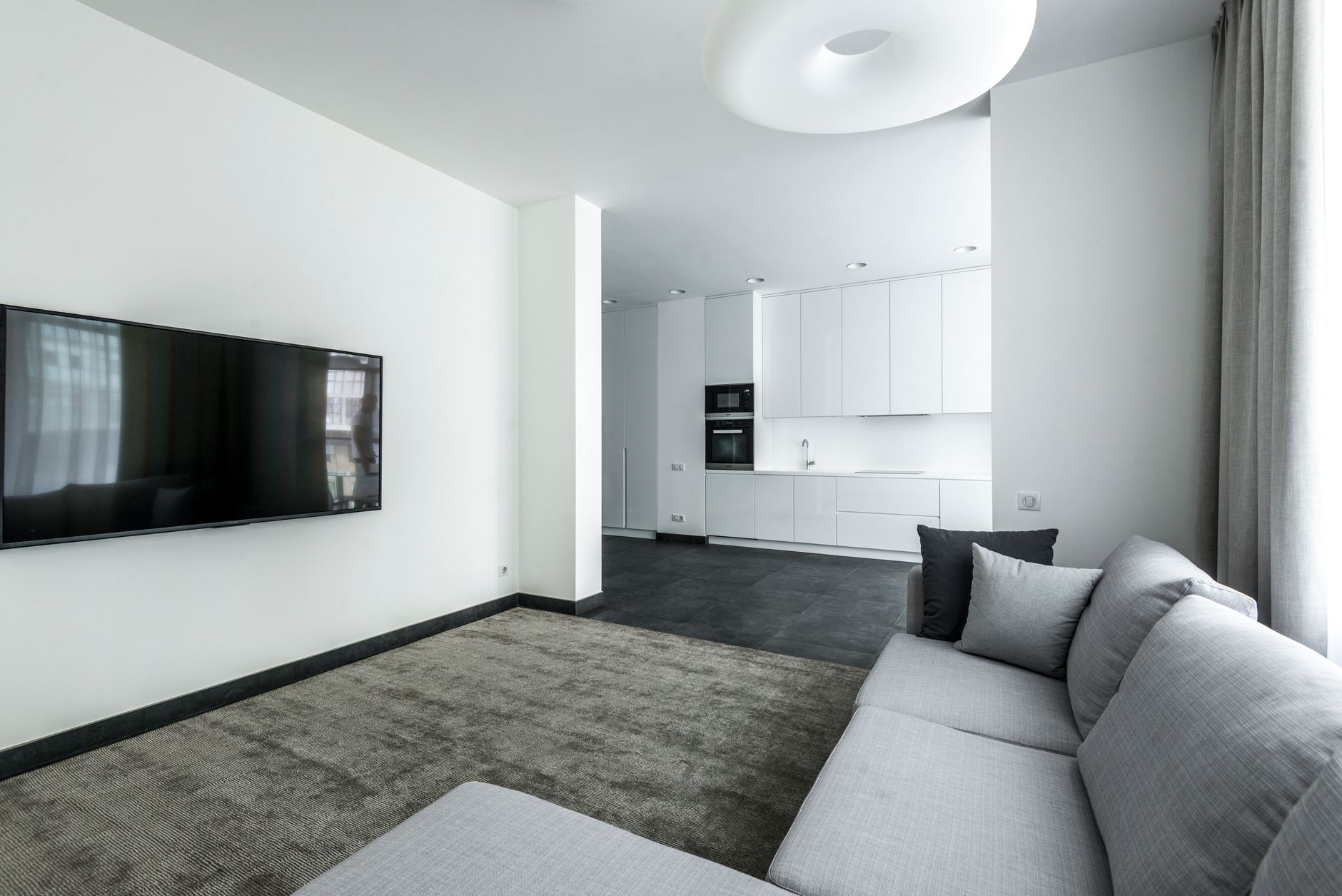
The 55-inch Pro Series OLED starts at $699, which is the floor for the sale. The discounts scale up with screen size — larger configurations see reductions that reach $400 off, making the bigger panels the comparatively stronger deals on a percentage basis. Roku has not publicly disclosed which specific panel manufacturer supplies the OLED substrate, but the Pro Series carries the same Roku OS that powers more than 80 million active accounts worldwide, meaning the smart TV interface side of the equation is thoroughly battle-tested.
Key features include Dolby Vision and HDR10 Plus support, a hands-free voice remote with a dedicated Roku button, and the company’s proprietary picture processing built on top of the OLED panel. The combination of a premium display technology and a well-regarded streaming OS is the pitch here. Competitors like LG’s C-series and Sony’s Bravia OLED range are the obvious benchmarks shoppers will use for comparison, and Roku is undercutting them at the entry level by a meaningful margin.
Why the Timing and the Pricing Strategy Both Matter
Roku entering the OLED segment is not just a hardware story — it is a business model story. The company generates substantial revenue from its advertising platform, which means every Roku TV sold is also an inventory source for streaming ads. Owning an OLED TV gives Roku access to higher-income buyers who historically spend more time streaming premium content, which is exactly the audience advertisers pay more to reach. Selling that hardware at a discount accelerates customer acquisition in a demographic Roku’s mid-range sets were not always reaching.
The sale is live now, but deal pricing at this level rarely lasts long. The Verge flagged the discounts as part of a broader deals roundup, suggesting the window is tied to current retailer promotions rather than a permanent price reset. Shoppers comparing options in the $700 to $1,100 range for a new living room display now have a genuine Roku-branded OLED to factor in — something that was not true even a few months ago. Whether the Pro Series can convert that curiosity into sustained market share will say a lot about Roku’s hardware ambitions over the next product cycle.