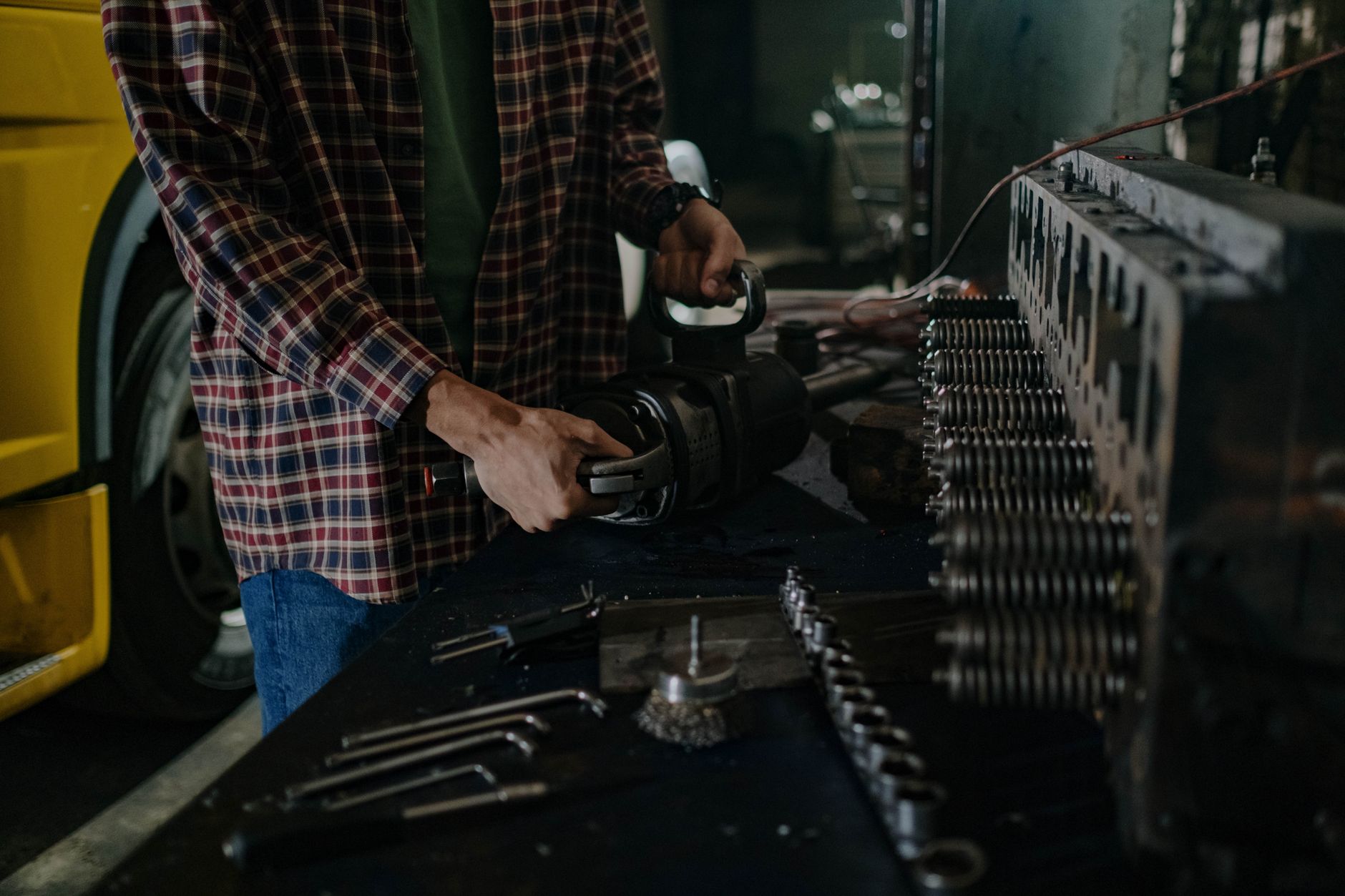
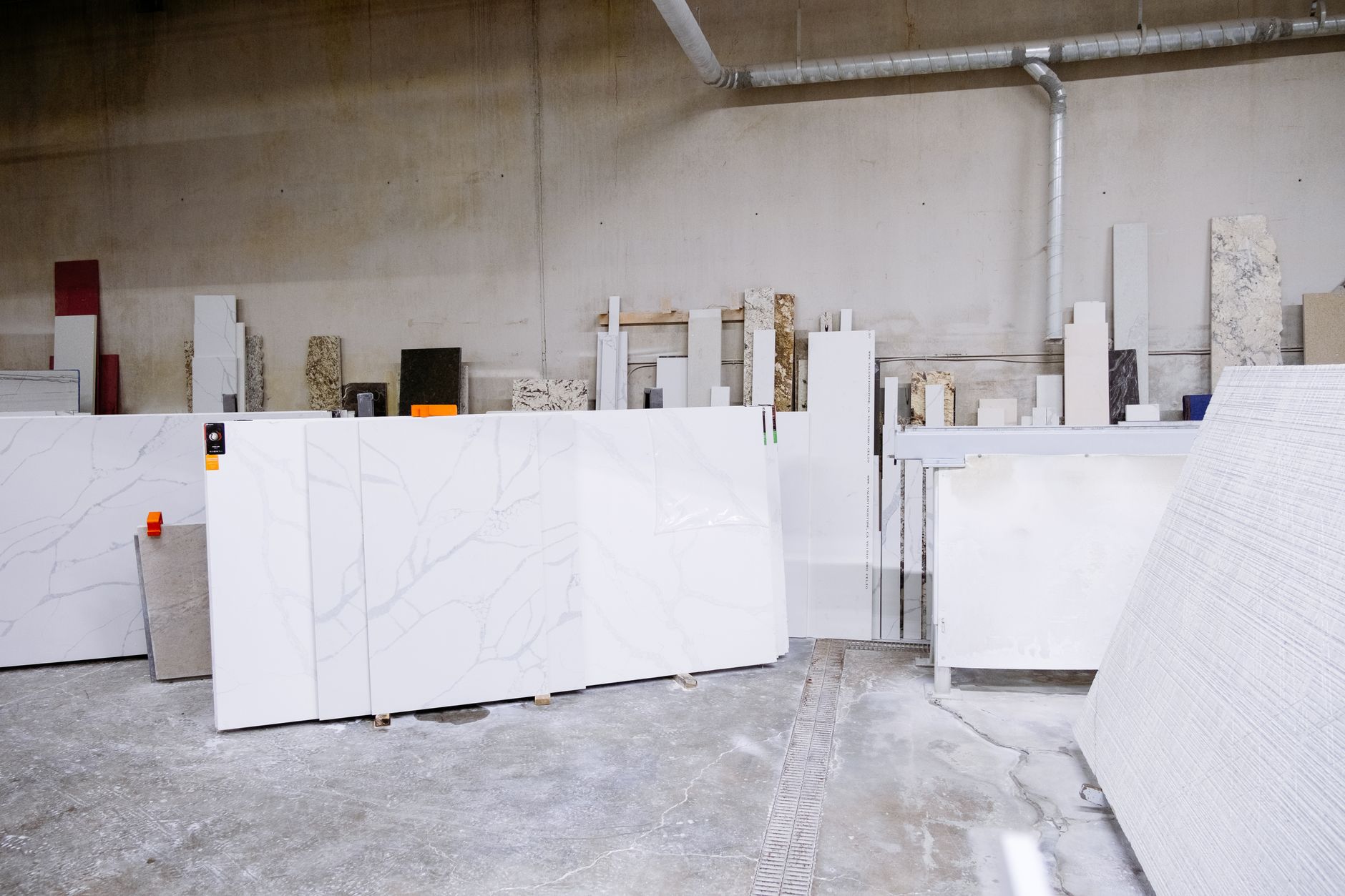
Engineered stone countertops have become a fixture of modern kitchen renovations — sleek, durable, and marketed as a premium alternative to granite. But behind the polished surfaces is a market shift with a devastating human cost. Bloomberg’s Big Take podcast is now shining a national spotlight on what health advocates have called a slow-moving occupational health catastrophe: a surge in accelerated silicosis cases among the workers who cut, grind, and fabricate these engineered stone slabs.
According to a PR Newswire report tied to the podcast’s release, artificial stone products — brands like Silestone, Caesarstone, and Cambria — contain up to 93 percent crystalline silica by weight. That figure is dramatically higher than the silica content found in natural stone like granite, which typically contains around 25 to 45 percent. When fabricators cut or polish engineered stone without adequate respiratory protection, they inhale fine silica dust particles that permanently scar lung tissue. The result is silicosis, an incurable and often fatal disease.
Accelerated Silicosis Is Hitting Workers in Their 30s and 40s
What makes this crisis particularly alarming is the speed of disease onset. Traditional silicosis from occupational exposure can take decades to develop. Accelerated silicosis — the form now appearing in artificial stone fabricators — can progress to severe lung impairment within five to ten years of first exposure, and it is striking workers who are still in their prime working years, some in their 30s and 40s. Patients are being diagnosed with end-stage lung disease at ages where earlier generations of industrial workers would not yet have developed symptoms.
The Bloomberg Big Take episode draws attention to a workforce that has largely operated in the shadows of the construction and renovation industry — often composed of immigrant laborers working in small fabrication shops with limited regulatory oversight and inadequate dust control systems. Advocates quoted in coverage surrounding the podcast argue that current Occupational Safety and Health Administration permissible exposure limits for silica dust, while tightened in 2016, are still insufficient when workers are handling material that is nearly pure crystalline silica.
Regulation, Litigation, and Industry Pressure Are All Intensifying
The podcast’s release arrives at a moment when legal and regulatory pressure around artificial stone is building across multiple fronts. Australia effectively banned the sale and use of engineered stone products for benchtops, panels, and splashbacks starting in July 2024, making it the first country to implement such a sweeping prohibition. Several U.S. states are now examining whether to follow suit or impose stricter fabrication standards, and a growing wave of personal injury litigation is targeting manufacturers.
Stone industry manufacturers have pushed back, arguing that proper wet-cutting techniques and respiratory equipment can make fabrication safe. Critics counter that compliance is spotty, enforcement is weak, and that the economic pressure on small shops to cut corners — in both senses of the phrase — is relentless. The Bloomberg Big Take podcast, by framing this as a systemic failure rather than individual workplace negligence, is likely to accelerate the policy conversation significantly. For an industry worth billions in annual U.S. sales, the questions being raised are no longer easy to dismiss. The same dynamics playing out here — rapid commercialization of a new material category outpacing safety infrastructure — echo broader debates about how quickly emerging technologies get deployed before their risks are fully understood.