
Amazon has a message for city councils, county commissioners, and neighborhood coalitions standing in the way of its infrastructure expansion: step aside, or risk being left behind. The company published a blog post this month that reads less like corporate communications and more like a pressure campaign, arguing that local resistance to data center development threatens American competitiveness in artificial intelligence. As The Verge reported, the post frames community opposition not as legitimate civic concern but as an obstacle to economic progress. The move is unusual in its directness — a Fortune 500 company essentially telling local governments to get out of the way.
The timing is not accidental. The AI infrastructure arms race is driving unprecedented demand for compute capacity, and the massive capital commitments flowing into AI right now require physical homes — land, power, and water, often in communities that did not sign up to host a hyperscaler’s sprawl. Amazon Web Services is one of the largest data center operators on the planet, and any slowdown in permitting or zoning approvals directly threatens its ability to keep pace with Microsoft, Google, and a growing field of challengers.
The Argument Amazon Is Making
Amazon’s blog post leans hard on economic multiplier logic. The company argues that data centers create local tax revenue, construction jobs, and long-term operational employment, and that blocking projects means forfeiting those benefits to other jurisdictions willing to say yes. It is the same playbook used by stadium developers and semiconductor fabs — frame the project as a gift communities would be foolish to refuse. But data centers are not semiconductor fabs. They employ relatively few permanent workers for their footprint and place significant strain on local power grids and water supplies used for cooling, which is precisely why residents in places like Virginia, Indiana, and the Pacific Northwest have started pushing back.
The post does not engage substantively with those concerns. There is no acknowledgment that a large-scale data center can consume tens of millions of gallons of water annually, or that grid interconnection queues are already years long in many regions. Instead, Amazon positions local opposition as uninformed resistance to progress — a rhetorical choice that is likely to inflame rather than persuade skeptical communities already wary of corporate encroachment on municipal planning decisions.
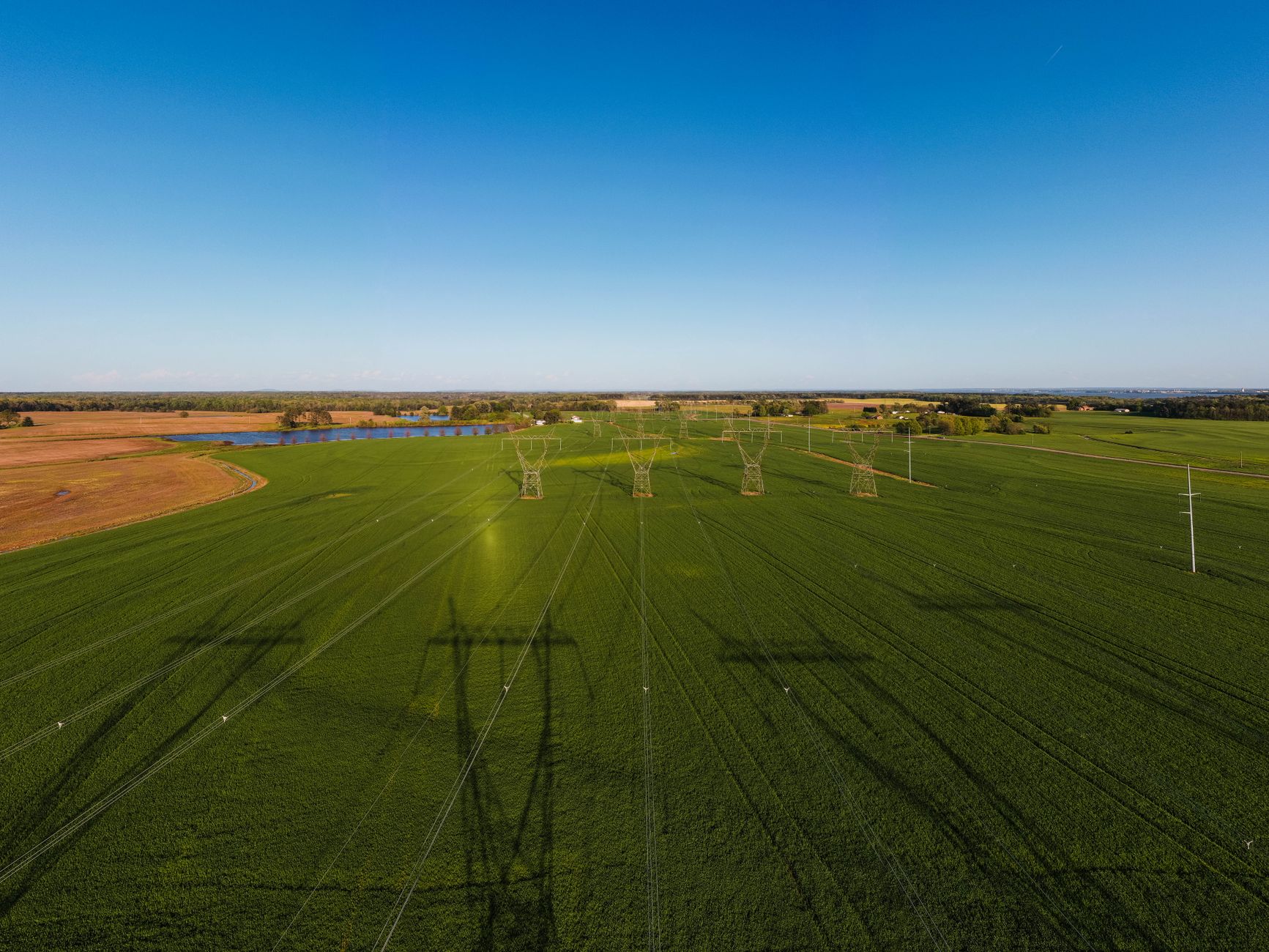
Why This Public Pressure Tactic Is a Shift Worth Watching
What makes the blog post notable is the channel Amazon chose. This is not a lobbying disclosure or a letter to a regulatory body. It is a public-facing document designed to shift the narrative around data center opposition before that opposition can organize into binding policy. Communities that have successfully slowed or blocked projects in recent years have done so through zoning boards and environmental review processes — exactly the kind of local mechanisms Amazon’s framing is designed to delegitimize. By publishing an argument that conflates resistance with economic self-harm, Amazon is trying to make it politically costly for local officials to side with concerned residents.
The strategy reflects a broader anxiety inside hyperscalers about permitting timelines. The AI buildout requires gigawatts of new power capacity and millions of square feet of compute space, and the gap between announced investment and actual operational infrastructure is growing. Every delayed permit is a delayed revenue quarter. Amazon is not alone in facing this friction — competitors are encountering the same resistance — but it is the first to respond with what amounts to a public scolding directed at the communities it needs to cooperate. Whether that tactic wins goodwill or hardens opposition remains to be seen, but it signals that the infrastructure politics of AI are about to get significantly louder.

For anyone tracking how AI capability growth translates into real-world consequences — energy demand, land use, community displacement — Amazon’s blog post is a marker. The era of data centers being an invisible part of the internet stack is over. They are now contested civic infrastructure, and the companies building them are going to have to argue for them out loud.