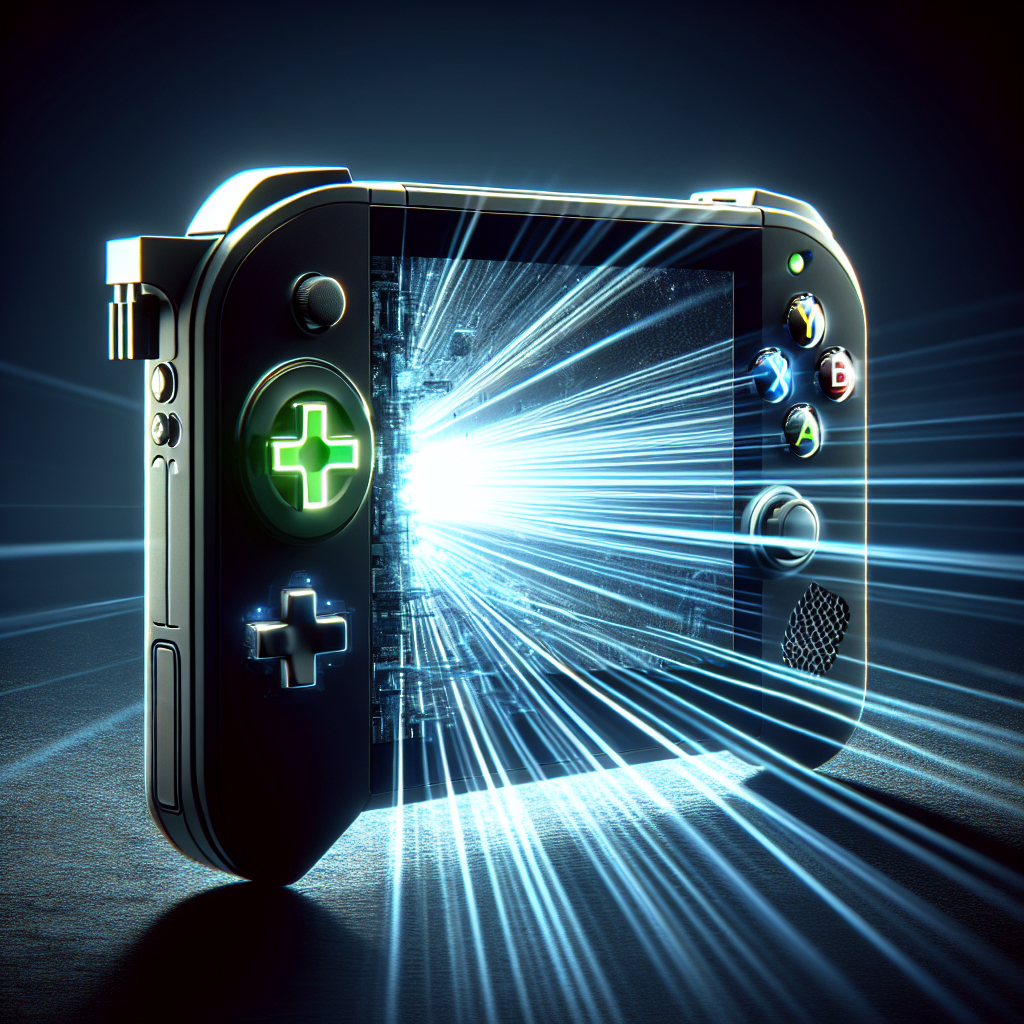
In a move that is likely to reshape the landscape of the handheld gaming market, Microsoft is rumored to be on the brink of releasing its first-ever Xbox handheld gaming console. According to a report from Startup News, the device might feature a custom AMD processor, signaling Microsoft’s commitment to providing a high-powered gaming experience in a portable form.
This development comes at a time when the gaming industry is seeing exponential growth in mobile and handheld gaming, sectors previously dominated by companies like Nintendo with its wildly popular Switch console, and more recently, by Valve’s introduction of the Steam Deck, which blurred the lines between PC and handheld gaming.
The report from Startup News, titled “Xbox Handheld Gaming Console to Arrive with Custom AMD Processor, Tipster Claims,” delves into the likelihood that Microsoft’s foray into handheld gaming could leverage the company’s existing ecosystem to deliver seamless game integration across its console and PC platforms. This strategy could provide Microsoft a critical advantage in capturing a broader audience, enhancing the attractiveness of its gaming subscription services like Xbox Game Pass.
To compete effectively, Microsoft’s handheld device will not only need to focus on hardware prowess but also ensure it supports a wide range of games, including AAA titles, which demand significant processing power. Hence, the use of a custom AMD processor seems both plausible and necessary. AMD’s chips are already used in other Xbox products, and they have proven their capability in handling high-performance gaming applications. The synergy between the Xbox’s software and AMD’s hardware could be key in overcoming the technical challenges associated with smaller, portable gaming units.
Furthermore, as cloud gaming technology matures, Microsoft could potentially integrate this service into its handheld console, allowing players to stream games directly to the device, thus circumventing storage and processing limitations typically associated with portable gadgets.
However, entering the handheld market presents considerable challenges. The market is not only highly competitive but also sensitive to price and game library quality. Microsoft will have to ensure that its product is competitively priced and well-supported with a robust lineup of games right from the launch. Moreover, issues such as battery life, screen quality, and overall device durability will be crucial in determining its success in the fiercely competitive handheld gaming sector.
The introduction of a handheld Xbox console could represent a pivotal shift in Microsoft’s gaming strategy, reflecting a broader trend in the industry towards hybrid gaming solutions that cater to both high-performance home gaming and flexible mobile experiences. As the sector continues to evolve, how well Microsoft can integrate its new product into the lives of gamers—and against established competitors—will ultimately decide its place in the market.