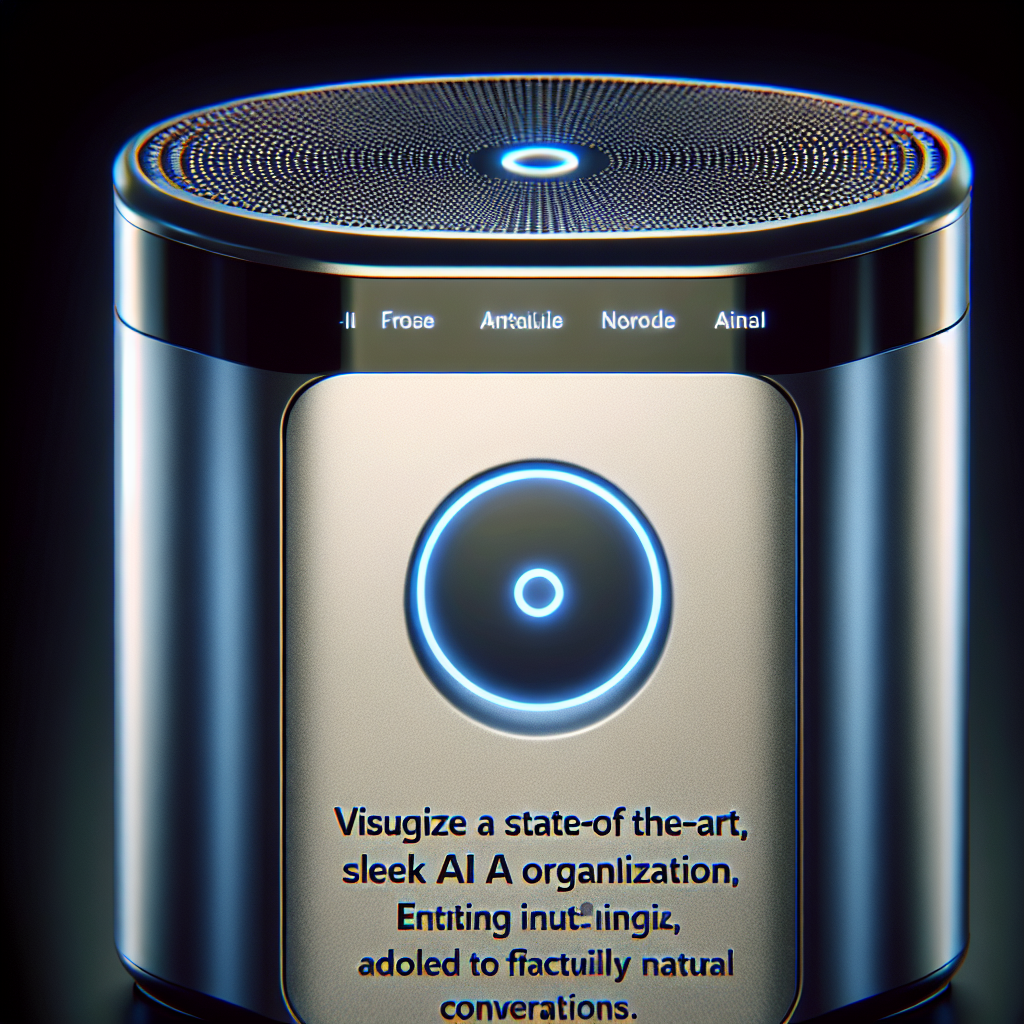
OpenAI is reportedly working on an audio-based hardware device that will integrate advanced versions of its ChatGPT language models, according to a report by StartupNews.fyi titled “OpenAI Device Will Be Audio-Based With New ChatGPT Models.” The development signals a significant expansion of the company’s ambitions, shifting from its core focus on software-based artificial intelligence to physical consumer products.
Per the report, the as-yet-unnamed device will rely primarily on voice interactions, suggesting a hands-free, always-on interface akin to smart assistants currently in the market—but likely with far greater conversational fidelity and contextual understanding. OpenAI is reportedly building the product with a focus on natural, real-time communication rather than the more traditional command-reply model typical of existing digital assistants.
The project is being shaped by a collaboration between OpenAI and startup veteran Johnny Ive, the former Chief Design Officer at Apple, whose design studio, LoveFrom, is said to be involved in the industrial design and user experience aspects of the device. This partnership was first reported in 2023 and is now believed to be maturing into a viable product as the capabilities of OpenAI’s language models continue to grow at a rapid pace.
While OpenAI has not made an official announcement confirming the product or its release timeline, the reported features suggest a clear move toward more deeply embedding AI into daily human interactions through ubiquitous, voice-driven technology. The device is expected to utilize next-generation versions of OpenAI’s GPT models, optimized specifically for audio input and response, and capable of sustaining nuanced, context-rich conversations.
Analysts view the potential launch as OpenAI’s effort to establish a foothold in the rapidly evolving AI hardware landscape, currently dominated by major tech players such as Amazon, Apple, and Google. Yet the reported emphasis on human-like dialogue and real-time verbal processing could set OpenAI’s offering apart from traditional smart speakers or other voice-controlled devices.
If successful, the project could redefine consumer expectations for how artificial intelligence interfaces with daily life—moving beyond task-focused functionality to deliver a more conversational and emotionally intuitive experience. However, it also poses significant challenges in terms of privacy, data security, and the broader societal implications of always-listening AI.
As competition intensifies in the AI hardware space, OpenAI’s audio-based device could represent not only a commercial opportunity but also a strategic marker in the escalating race to personalize and embed artificial intelligence into the fabric of modern living.