The rapid integration of artificial intelligence into daily workflows is accelerating how work gets done, but it may also be quietly eroding the natural pauses that once punctuated the workday. A recent report titled “AI push speeds up work but quietly shrinks breaks,” published by the Economic Times, highlights how the drive for AI-enabled productivity is subtly reshaping employee routines, sometimes at the cost of rest and downtime.
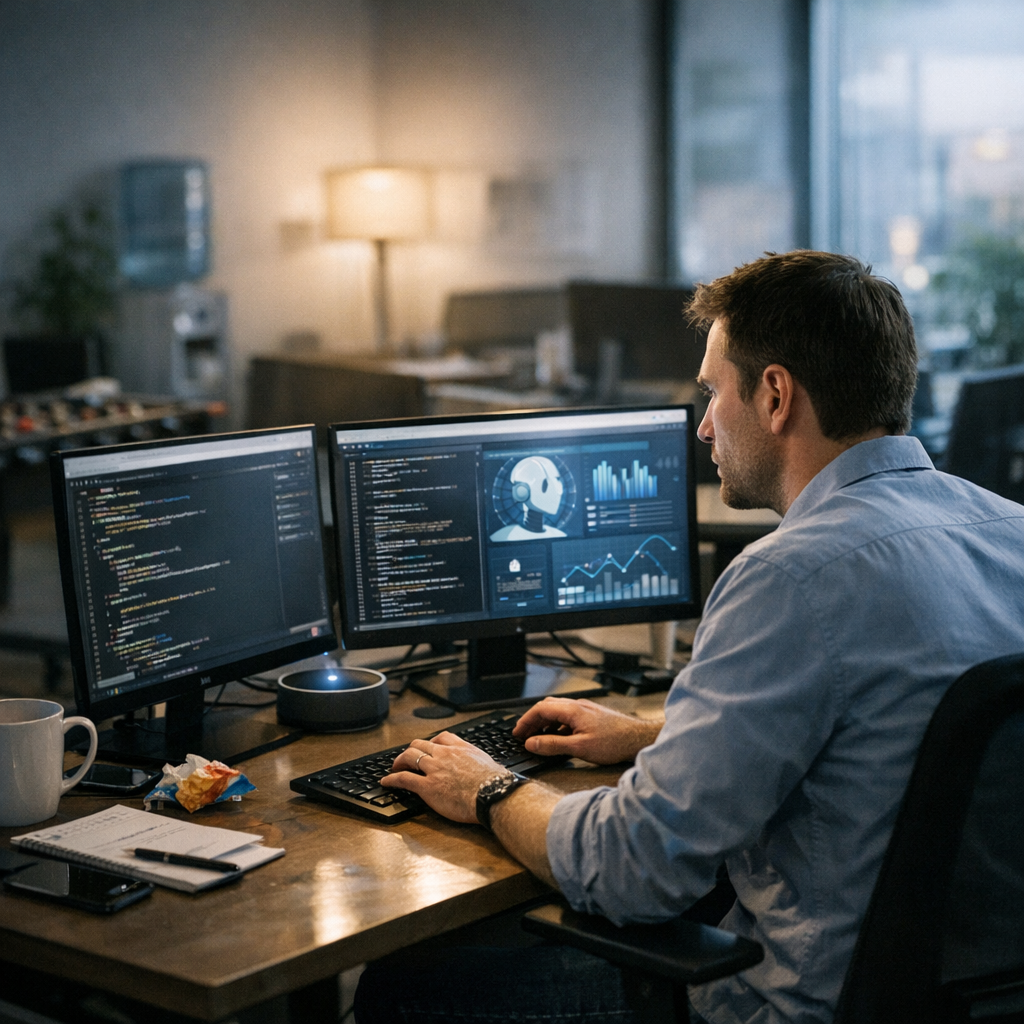
Across industries—from software development and marketing to customer support and finance—AI tools are being deployed to speed up tasks that previously required substantial manual effort. Automated coding assistants, AI-powered writing and design tools, predictive analytics platforms, and conversational systems are helping workers complete assignments faster and manage larger workloads. Companies see these technologies as a way to boost efficiency and output while maintaining or even reducing staffing costs.
However, the pace created by these tools is changing expectations about how work should flow during the day. According to reporting by the Economic Times, some workers say that when AI condenses hours of effort into minutes, the saved time is rarely treated as a break. Instead, it is often filled with additional assignments, new tasks, or quick turnarounds on projects that managers now expect to be completed faster.
As AI systems reduce the time needed for drafting documents, generating reports, or analyzing data, employees may briefly finish tasks ahead of schedule. Yet those moments rarely translate into genuine downtime. The Economic Times article described how managers and workflows increasingly assume constant availability, turning productivity gains into higher throughput rather than relief from workload pressure.
Workplace researchers say this shift risks compressing the rhythms that historically gave employees mental breathing room. In traditional workflows, natural delays—waiting for process completion, gathering data manually, or collaborating step by step—created built-in pauses. With AI tools handling many of these steps instantly, those informal breaks disappear, replaced by a near-continuous cycle of output.
For some workers, the change can be subtle but cumulative. When drafting software or organizing information, AI suggestions arrive immediately. A document that once required an hour of writing may now take minutes to assemble and edit. But with digital collaboration platforms tracking progress in real time, colleagues and supervisors may quickly assign additional tasks, reinforcing a sense that there is no longer space between assignments.
Employers argue that the same technologies can, in theory, free employees to focus on more strategic and creative work. AI advocates maintain that when routine tasks are automated, workers gain time for problem-solving, planning, and innovation. In practice, however, the Economic Times report suggests that the benefits often translate into higher expectations of productivity rather than a lighter workload.
Labor analysts say this reflects a long-standing pattern in technology adoption. Historically, productivity improvements do not automatically reduce working hours. Instead, organizations tend to absorb efficiency gains and expand the volume or speed of output. AI may be intensifying this trend because of how quickly it compresses previously time-consuming tasks.
The evolving dynamic also raises questions about employee well-being and burnout. Psychologists note that short breaks throughout the day help sustain concentration, creativity, and mental health. If AI tools remove the pauses that once occurred naturally in work processes, companies may need to rethink how they encourage rest and recovery during the workday.
Some organizations are beginning to acknowledge the risk. Workplace consultants and human resources leaders increasingly recommend deliberate scheduling of breaks or clearer expectations around availability. The challenge, however, lies in balancing the drive for faster results with the recognition that sustained productivity depends on human limits.
As AI adoption continues to expand across sectors, the shift described in the Economic Times report underscores a broader transformation in the structure of work. While artificial intelligence undeniably accelerates tasks and streamlines operations, the gains in efficiency may come with an unintended side effect: a quieter shrinking of the small pauses that once helped workers catch their breath between jobs.