A new push to harness the untapped potential of osmotic energy is gaining momentum in Japan, where researchers are refining technologies designed to generate electricity from the natural mixing of freshwater and seawater. The effort, detailed in TechXplore’s report “Generating energy: Japanese researchers harness power of osmosis,” highlights both the scientific progress and the remaining hurdles in turning the concept into a viable source of renewable power.
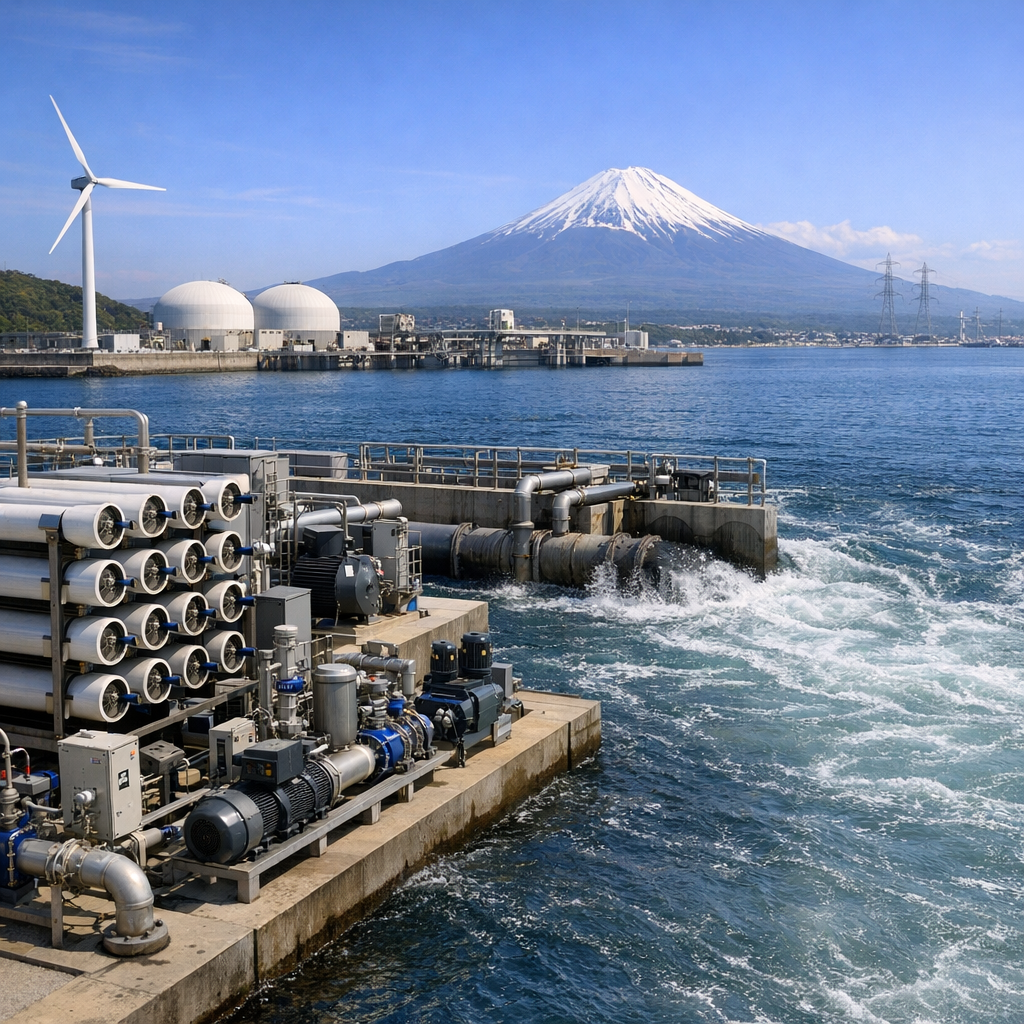
Osmotic energy, sometimes referred to as “blue energy,” relies on the pressure difference created when freshwater and saltwater meet across a semi-permeable membrane. As water naturally moves to balance salinity levels, the resulting pressure can be used to drive turbines and produce electricity. The process has long been understood, but practical implementation has been limited by inefficiencies, high costs, and durability concerns surrounding membrane materials.
Japanese researchers are now working to overcome these barriers through advances in membrane design and system optimization. By developing membranes that are more selective, durable, and resistant to fouling, scientists aim to improve energy conversion efficiency while reducing maintenance demands. Some of the experimental systems described in the report suggest measurable gains in performance, indicating that incremental improvements could cumulatively make osmotic power more competitive with other renewables.
The appeal of the technology lies in its consistency. Unlike solar or wind energy, osmotic power can operate continuously as long as a reliable interface between freshwater and seawater exists, such as at river mouths. Japan, with its extensive coastline and numerous rivers, is seen as a promising environment for pilot projects and eventual deployment.
However, significant challenges remain before the technology can be scaled. The cost of advanced membranes is still high, and the energy output, while improving, must increase further to justify large-scale infrastructure investments. Environmental considerations, including the potential ecological effects of large installations at estuaries, also require careful study.
The work highlighted by TechXplore reflects a broader global interest in diversifying renewable energy sources beyond the more established options. While osmotic power is unlikely to replace dominant technologies in the near term, it could become a valuable complement in the transition toward lower-carbon energy systems if current research trajectories continue to yield improvements.
For now, the Japanese initiative represents a cautious but notable step forward. By focusing on material science and engineering refinements, researchers are attempting to move osmotic energy from theoretical promise toward practical application, a transition that has eluded the field for decades.