A recent update from Innovation News Network, titled “ELEXIA: Energy systems integration across multiple energy carriers, infrastructure and end-use sectors – an update,” highlights the growing importance of coordinated, cross-sector energy systems as Europe accelerates its transition toward climate neutrality.
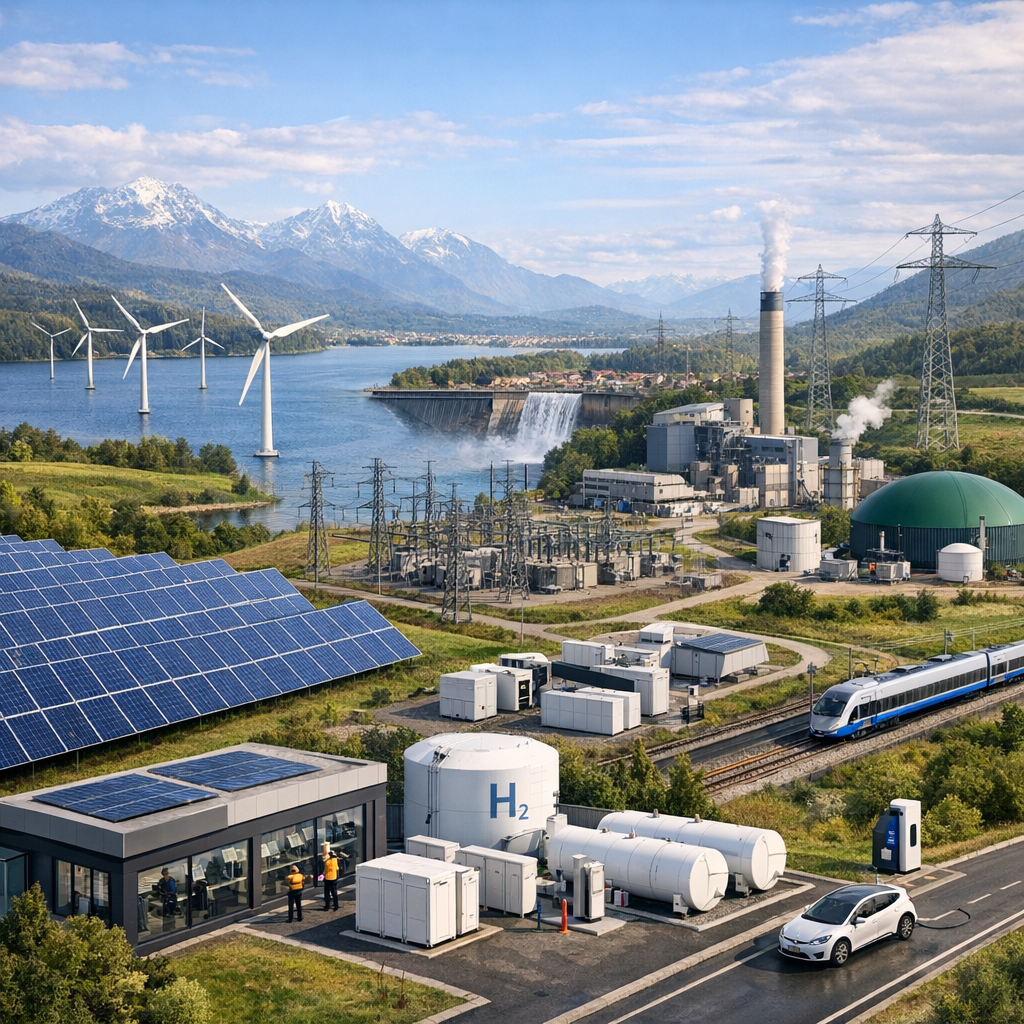
The ELEXIA project, funded under the European Union’s Horizon Europe programme, is focused on addressing one of the most persistent challenges in decarbonisation: how to effectively integrate electricity, heating, cooling, gas, and transport systems into a unified, flexible energy ecosystem. Rather than treating these domains as separate silos, the initiative promotes a systems-level approach that connects infrastructure, markets, and end-use applications.
As the original Innovation News Network article explains, energy systems integration is increasingly seen as essential to managing the variability of renewable energy sources. Wind and solar generation, while expanding rapidly, introduce intermittency that requires more dynamic balancing mechanisms. ELEXIA’s work centres on optimising this balance through digital tools, advanced modelling, and real-time data exchange across sectors.
The project brings together a consortium of research institutions, industry stakeholders, and policymakers to explore practical pathways for integration. This includes examining how surplus renewable electricity can be redirected into other sectors, such as converting it into hydrogen or using it in district heating systems. By enabling energy to flow more efficiently between carriers, the system can reduce waste, lower costs, and improve resilience.
A key element of the initiative is the development of interoperable digital platforms capable of managing complex energy networks in real time. These platforms are designed to support decision-making across multiple layers, from grid operators to end users, while also facilitating market participation for distributed energy resources. The goal is not only technical optimisation but also the creation of viable business models that encourage adoption.
The Innovation News Network article notes that ELEXIA is also examining regulatory and market barriers that currently hinder integration. Energy systems have traditionally been governed by sector-specific rules, which can limit coordination. By identifying these constraints and proposing policy recommendations, the project aims to align regulatory frameworks with the realities of an integrated energy landscape.
Pilot demonstrations form another core component of the project. These real-world testbeds allow researchers to validate their approaches under practical conditions, assessing both technical performance and user acceptance. Early results suggest that coordinated energy management can significantly enhance flexibility while maintaining system stability, particularly in urban and industrial settings.
Beyond its immediate technical contributions, ELEXIA reflects a broader shift in European energy strategy. Policymakers are increasingly recognising that achieving net-zero targets will require not only more renewable generation but also smarter, more interconnected systems. Integration across sectors offers a pathway to maximise efficiency and reduce reliance on fossil fuels, particularly in hard-to-decarbonise areas such as heavy industry and transport.
The update reported by Innovation News Network underscores that while progress is being made, significant challenges remain. These include scaling up digital infrastructure, ensuring cybersecurity, and fostering collaboration among diverse stakeholders. Nonetheless, initiatives like ELEXIA are helping to lay the groundwork for a more flexible, resilient, and sustainable energy future.
As Europe continues to navigate the complexities of energy transition, projects that bridge technological innovation with system-wide thinking are likely to play an increasingly central role. ELEXIA’s evolving work illustrates both the ambition and the practical effort required to transform fragmented energy networks into a cohesive, low-carbon system.