A landmark real estate transaction in northern Israel is sharpening attention on the country’s fast-expanding data center industry, as developers and investors move to secure land, power capacity and planning certainty amid surging demand for computing infrastructure. The deal, reported by Globes under the headline “Huge Crusoe-Afula deal boosts Israel’s data centers sector,” centers on a large-scale agreement in the Afula area that market participants view as a validation of Israel’s potential to host more advanced digital infrastructure despite mounting constraints.
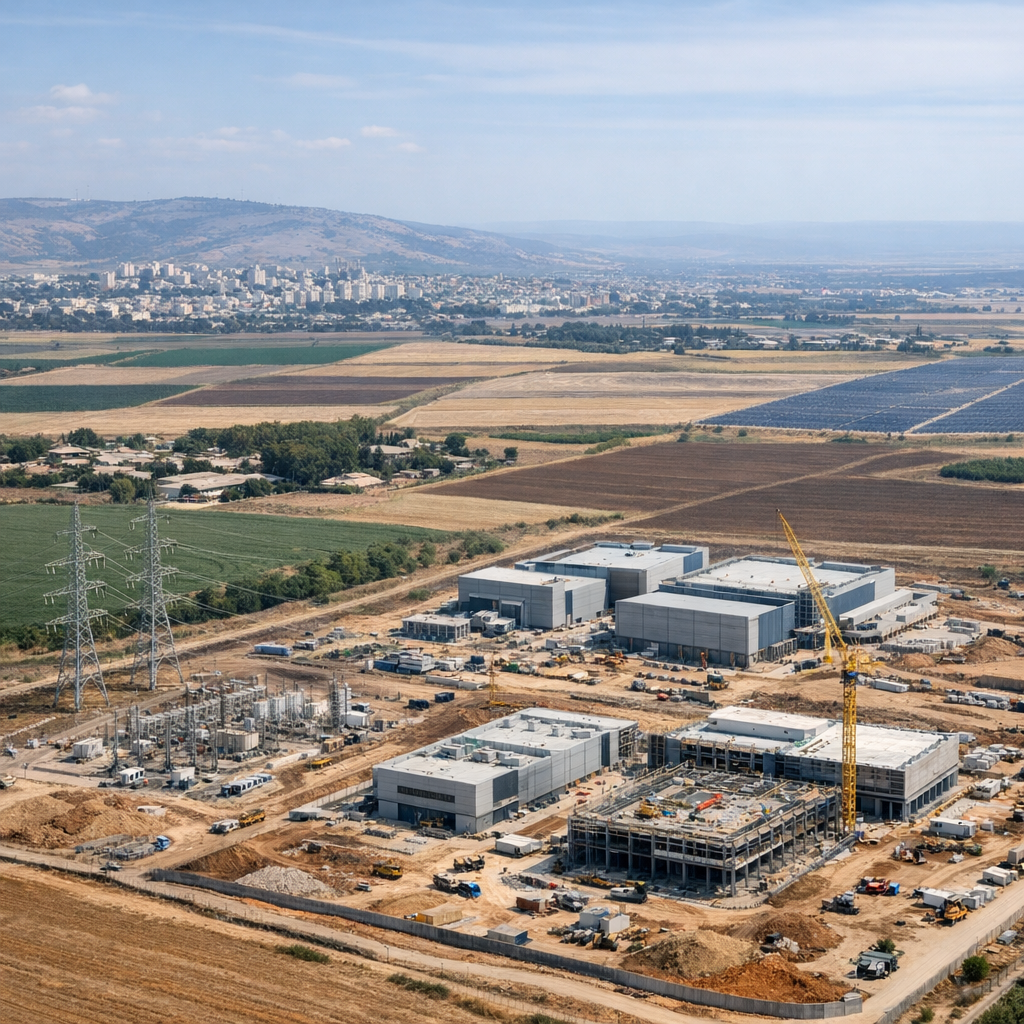
The transaction involves US-based Crusoe, a company associated with large compute and data center projects, and a substantial land position near Afula that is expected to be developed into a data center campus. While the commercial terms and implementation timeline will ultimately be shaped by permitting, grid connections and construction schedules, the size of the agreement signals growing confidence that Israel can attract and execute projects once considered more typical of larger European markets.
Industry executives say the Afula deal highlights a broader shift in where data centers are being planned. For years, much of Israel’s data center development has clustered around the Tel Aviv metropolitan area, where connectivity is densest and enterprise customers are concentrated. However, land scarcity, high prices and congestion in the center of the country have been pushing developers to look to peripheral regions, provided they can secure reliable power, fiber routes and support from local planning authorities.
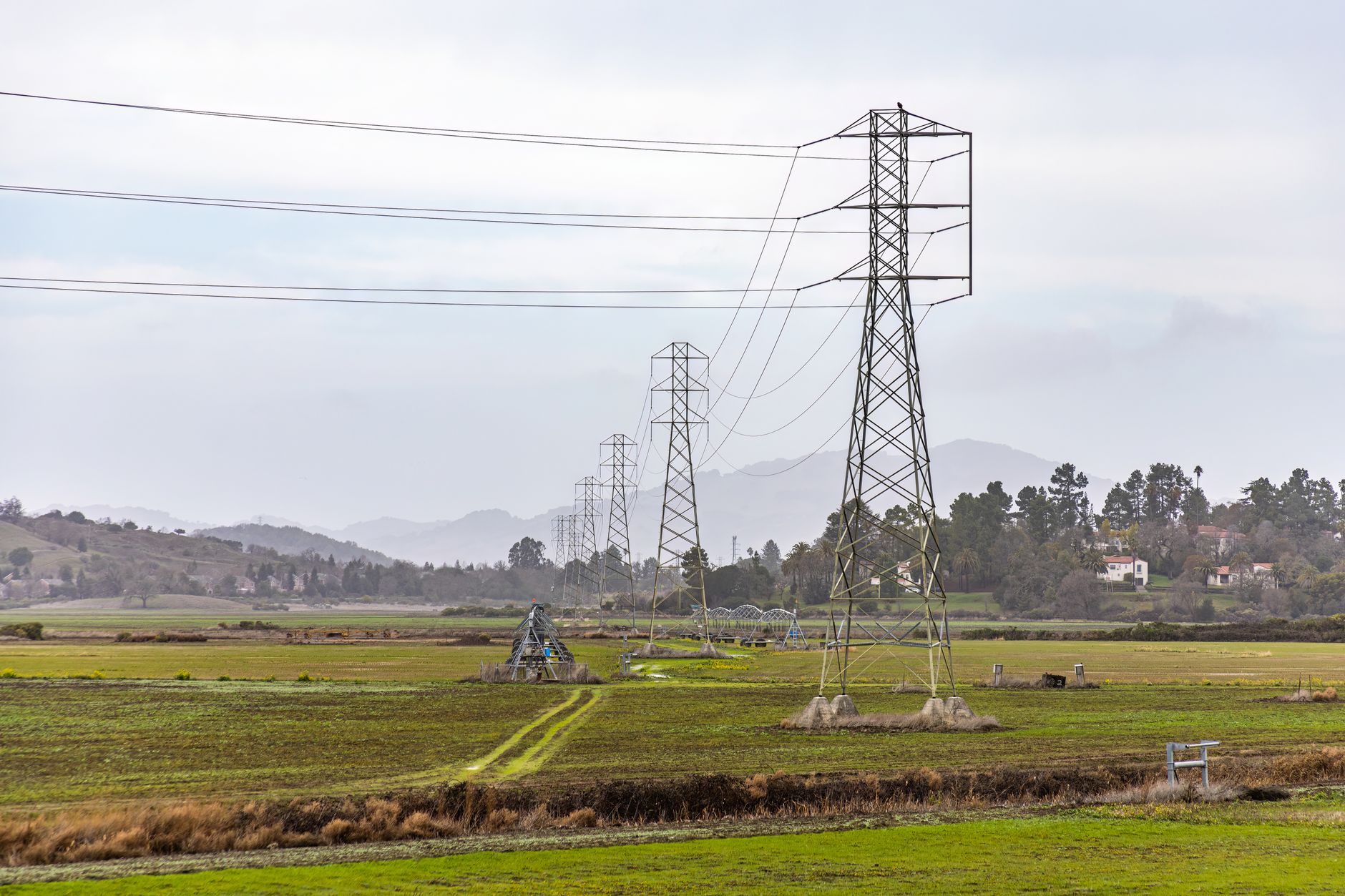
Power availability remains the central bottleneck. Data centers require large, stable electricity supply and, increasingly, the ability to scale significantly over time as artificial intelligence and cloud workloads expand. Israel’s grid has faced rising demand from households and industry, and the pace at which new generation and transmission infrastructure can be delivered will influence how quickly large campuses can move from planning to operation. The Afula region offers potential advantages, including available land and a strategic location that can serve both northern Israel and national network backbones, but its ultimate competitiveness will depend on how swiftly power and connectivity commitments can be translated into viable, financed construction.
The deal also underscores the internationalization of Israel’s data center sector. Global cloud providers, colocation companies and compute-focused firms have been reassessing capacity needs in the wake of the AI boom, which is driving higher-density facilities, more sophisticated cooling systems and stronger resilience requirements. Israel, with its established technology economy and strategic position between Europe and Asia, is an attractive market on the demand side. On the supply side, it must balance a growing pipeline of projects with constraints related to electricity, land-use planning and environmental considerations.
Local authorities and policymakers are now facing questions that extend beyond a single project: how to allocate scarce grid capacity, how to streamline planning without compromising oversight, and how to ensure that data center growth delivers broader economic benefits. Proponents argue that large campuses can create construction employment, generate municipal revenue and strengthen national digital resilience. Critics caution that data centers can be heavy users of electricity and land while employing relatively few workers once operational, making careful site selection and infrastructure planning essential.
Financing conditions add another layer of complexity. Globally, data center investment has remained robust compared with other real estate categories, but higher interest rates and supply-chain costs have forced developers to be more disciplined, often seeking pre-leasing commitments or strategic partnerships before starting major builds. A transaction of the scale described by Globes suggests that developers are willing to move early to secure strategic sites, even if full project economics depend on later milestones such as power purchase arrangements and grid connection approvals.
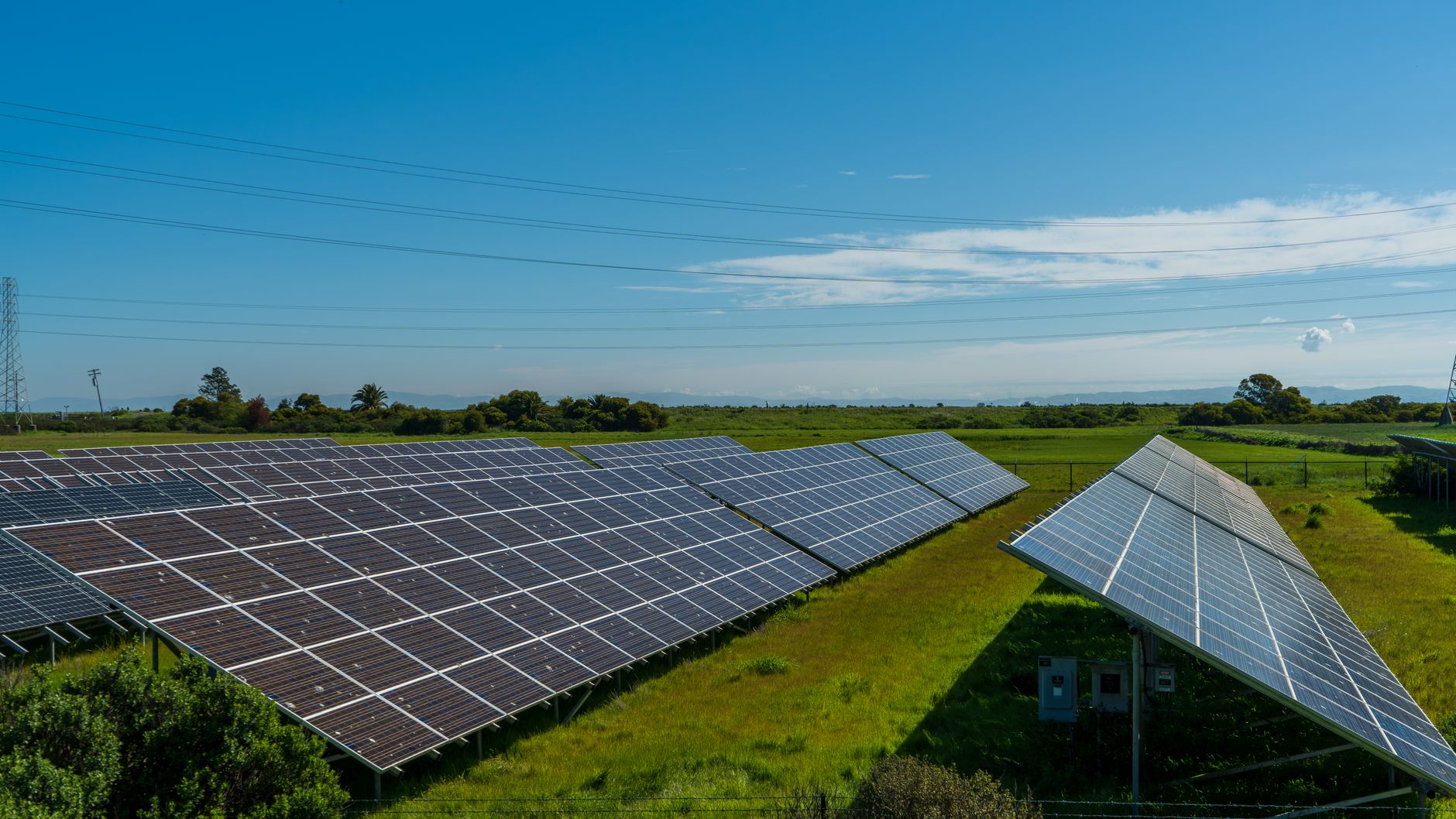
For Israel’s technology ecosystem, the implications are significant. Greater domestic data center capacity can reduce latency for local users, support data sovereignty requirements and improve redundancy for critical services. At the same time, the emergence of larger campuses outside the traditional central corridor could reshape regional development patterns, particularly if combined with broader investment in transmission lines, renewable generation and fiber networks.
As the market digests the Afula transaction, attention will likely turn to execution: the pace of approvals, the ability to deliver high-capacity power connections, and whether additional large land deals follow. If those elements align, the agreement highlighted in Globes’ “Huge Crusoe-Afula deal boosts Israel’s data centers sector” may be remembered as a turning point, marking the moment when Israel’s data center industry began shifting from incremental expansion toward campus-scale development.