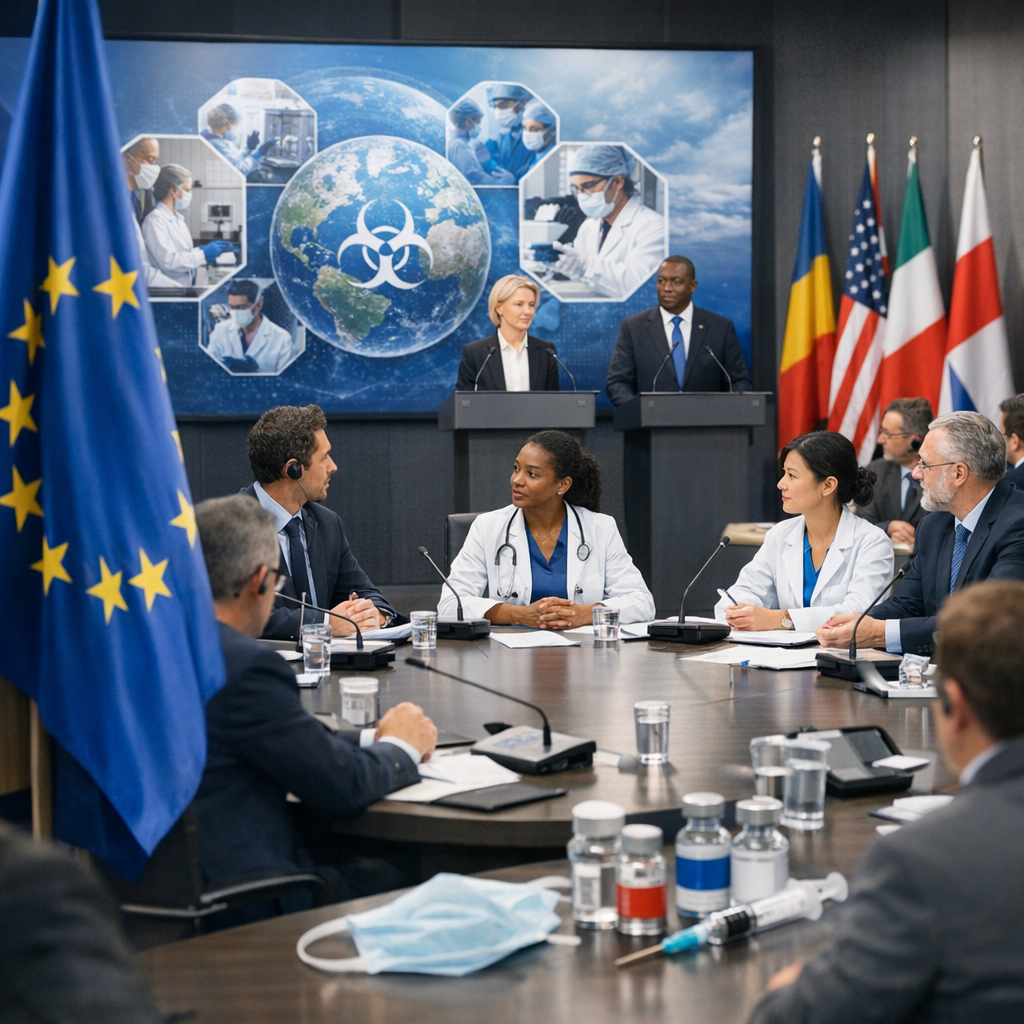
The European Union has announced a sweeping new effort to strengthen global preparedness for future health crises, signaling a strategic shift toward long-term resilience and coordinated international response. The initiative, outlined in a report by Innovation News Network titled “EU launches global health resilience initiative to strengthen crisis preparedness worldwide,” reflects growing concern among policymakers that the world remains underprepared for large-scale health emergencies despite the lessons of the COVID-19 pandemic.
At its core, the initiative aims to bolster cooperation between the EU and international partners by investing in early warning systems, improving surveillance capabilities, and expanding access to critical medical resources. European officials have emphasized that health crises increasingly transcend borders, requiring a coordinated global infrastructure capable of responding rapidly and equitably.
The program is expected to prioritize strengthening healthcare systems in vulnerable regions, particularly in low- and middle-income countries where limited infrastructure can amplify the impact of outbreaks. This includes support for laboratory capacity, workforce training, and digital tools that allow for real-time data sharing. By addressing systemic weaknesses before crises emerge, the EU hopes to reduce both the human and economic toll of future pandemics.
Another central component involves improving supply chain resilience. During the COVID-19 pandemic, disruptions to the production and distribution of medical supplies exposed significant vulnerabilities. The new initiative seeks to diversify manufacturing bases, ensure strategic stockpiling, and promote mechanisms that allow for faster, more equitable distribution of vaccines, therapeutics, and diagnostics during emergencies.
European policymakers have also underscored the importance of research and innovation within the framework. Investments are expected to target next-generation vaccines, rapid diagnostic technologies, and data-driven modeling tools that can inform policy decisions in real time. The EU views collaboration with academic institutions, private industry, and international organizations as essential to accelerating these advancements.
The initiative aligns with broader efforts by the World Health Organization and other multilateral bodies to strengthen global health governance. However, EU officials have indicated they intend to play a leading role in shaping standards and ensuring that lessons from recent crises translate into durable institutional reforms.
Critically, the program reflects a recognition that preparedness is not solely a technical challenge but also a political and financial one. Sustained funding commitments and strong governance structures will be required to maintain momentum beyond immediate crises. Observers note that while the ambition of the EU’s plan is significant, its effectiveness will depend on consistent implementation and the willingness of international partners to engage.
As highlighted in the Innovation News Network article, the initiative marks an attempt to move from reactive crisis management toward proactive resilience-building. Whether it can deliver meaningful change will likely become clear only over time, but it signals an increasing consensus that global health security must be treated as a shared, continuous priority rather than an emergency response measure.