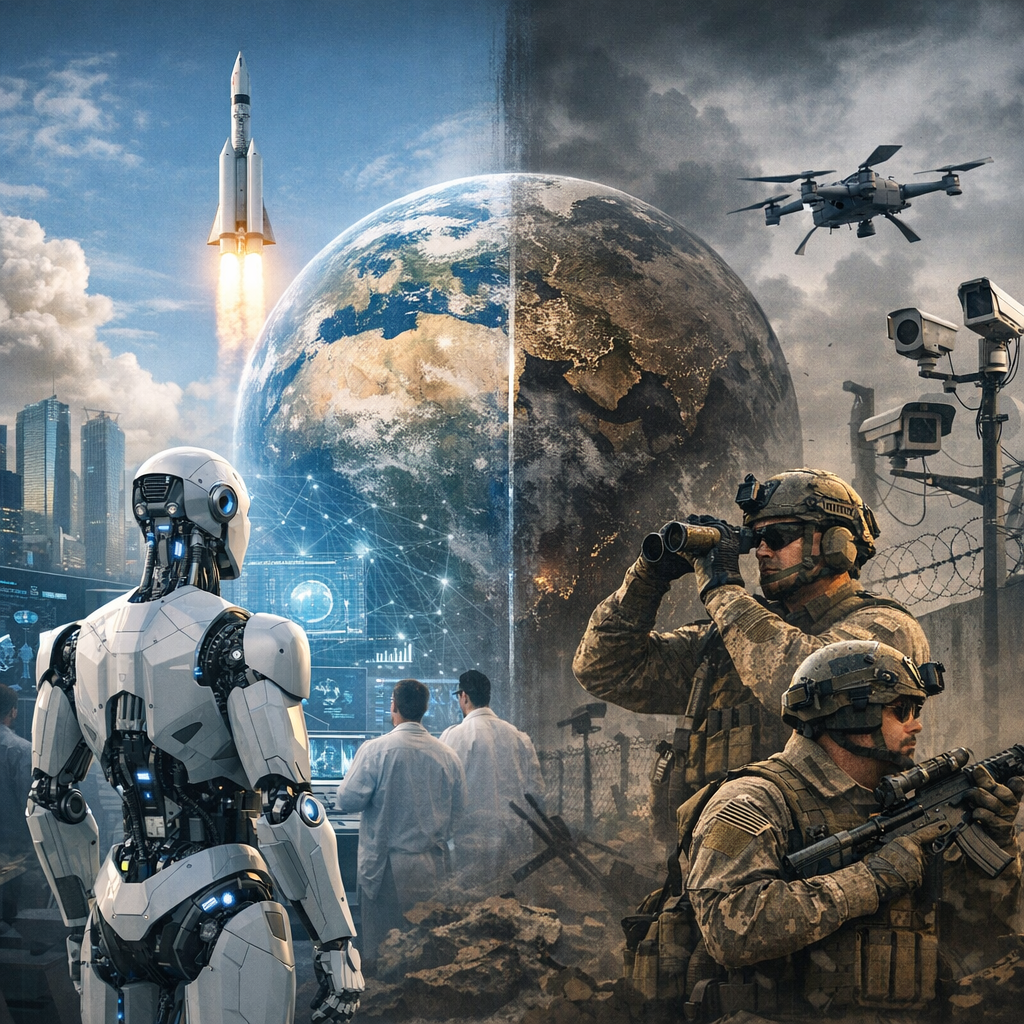
The prospect of increasingly powerful and potentially hazardous artificial intelligence systems is no longer a distant concern but an accelerating reality, according to experts surveyed in a recent Wired article, “Dangerous AI Models Are Coming No Matter What.” The piece underscores a growing consensus among researchers and policymakers: efforts to slow or constrain the development of advanced AI are unlikely to halt its progress, and the world must instead grapple with how to manage the risks.
At the center of the debate is a fundamental tension between innovation and safety. As AI models become more capable—particularly in areas such as autonomous decision-making, cyber operations, and synthetic content generation—the potential for misuse expands in parallel. Researchers caution that future systems could lower the barrier to executing sophisticated cyberattacks (as outlined in frameworks like MITRE ATT&CK), designing harmful biological agents, or conducting large-scale disinformation campaigns.
The Wired report highlights how even well-intentioned development can produce unintended consequences. Open publication norms, competitive pressures among technology firms, and geopolitical rivalries all contribute to a landscape in which powerful AI tools are difficult to contain. Once capabilities are demonstrated, replication becomes easier, and attempts to restrict access often lag behind technological advances.
Government responses remain fragmented. While some countries are moving toward regulatory frameworks aimed at transparency and accountability—such as the European Union’s approach to AI regulation and the NIST AI Risk Management Framework—others emphasize national competitiveness and technological leadership. This divergence raises concerns that safety measures could be unevenly applied, creating opportunities for regulatory arbitrage and cross-border risks.
Industry leaders, meanwhile, are increasingly vocal about the dangers while continuing to push forward with development. The Wired article notes a paradox in which companies warn about the potential harms of advanced AI even as they invest heavily in building more capable systems. Critics argue that voluntary safety commitments, while useful, may not be sufficient without enforceable standards, a concern echoed by groups like the Partnership on AI.
Some experts advocate for stronger oversight mechanisms, including licensing regimes for the most advanced models, mandatory risk assessments, and international agreements akin to those governing nuclear or biological technologies. Existing global efforts, such as the OECD AI Principles and UNESCO’s Recommendation on the Ethics of Artificial Intelligence, provide early blueprints for such coordination. Others caution that overly restrictive policies could stifle beneficial innovation or drive research underground, making it harder to monitor.
What is clear is that the trajectory of AI development is unlikely to reverse. As described in “Dangerous AI Models Are Coming No Matter What,” the challenge is shifting from prevention to preparedness—designing systems, institutions, and norms capable of mitigating harm while preserving the benefits of increasingly powerful technology.
The question now facing policymakers and society is not whether dangerous AI capabilities will emerge, but how quickly governance structures can evolve to meet them.