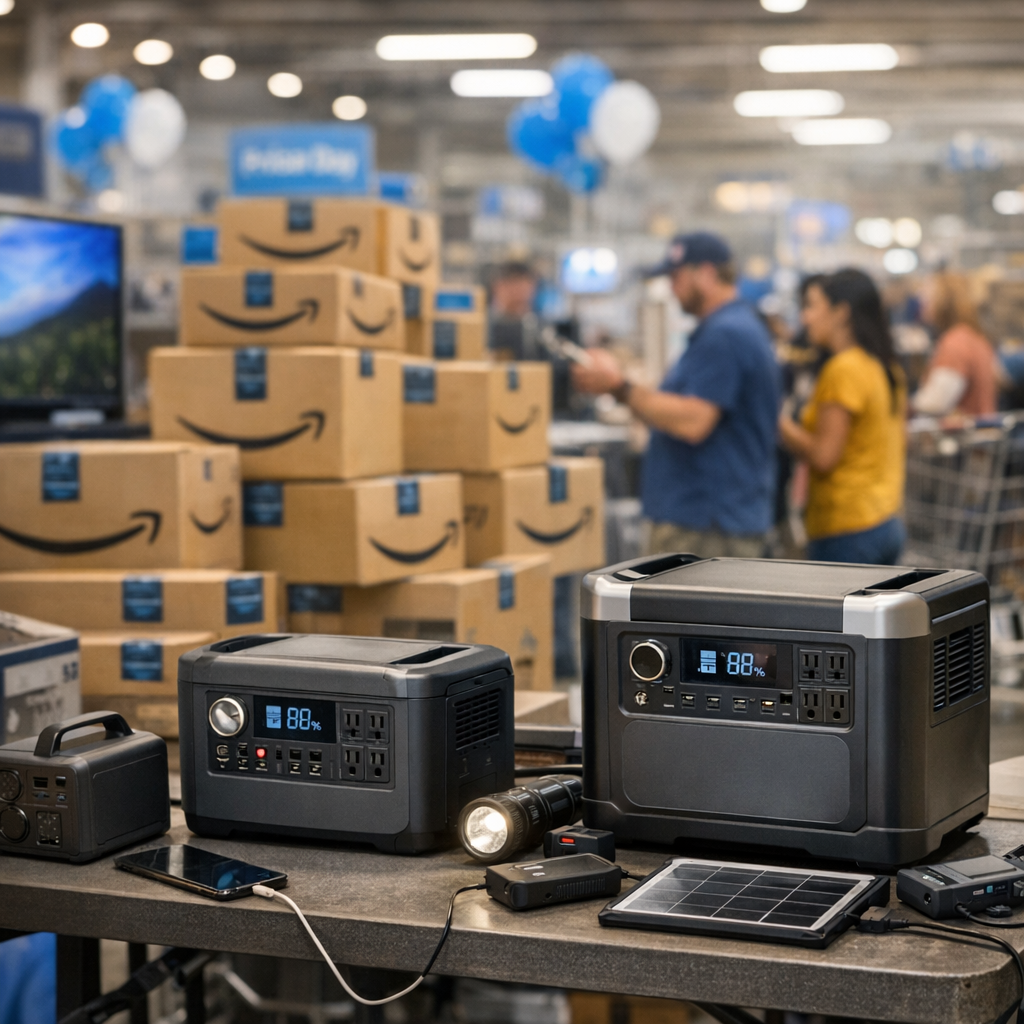
A recent article published by Wired, titled “Jackery’s Power Station Is Half Off for Prime Day 2026”, highlights a significant discount on one of the better-known brands in the portable power market, underscoring both the growing demand for backup energy solutions and the increasingly aggressive pricing strategies tied to major online sales events.
The Wired report focuses on a limited-time Amazon Prime Day promotion in which a Jackery portable power station is offered at roughly half its usual retail price. Such devices, often marketed as “solar generators,” are rechargeable battery systems designed to provide electricity in situations where conventional grid power is unavailable or unreliable. They have gained traction among campers, van-life enthusiasts, and homeowners seeking emergency preparedness options amid rising concerns over extreme weather and grid instability, trends tracked by agencies like the National Oceanic and Atmospheric Administration (NOAA).
According to Wired, the discounted model delivers a balance of portability and capacity, capable of powering small appliances, charging electronics, and supporting short-term outages. The publication notes that Jackery has built a reputation for relatively user-friendly design, integrating multiple output ports and compatibility with optional solar panels, which allow the units to be recharged off-grid. More about the technology behind these systems can be found through resources like the National Renewable Energy Laboratory’s solar energy overview.
The article frames the deal as notable not only for its price reduction but also for the broader context of consumer behavior. Portable power stations have transitioned in recent years from niche outdoor accessories to more mainstream household purchases. This shift has been driven by a combination of factors, including more frequent severe weather events, the normalization of remote work, and a wider cultural emphasis on self-sufficiency. Market data from sources such as the U.S. Energy Information Administration highlights growing concerns about electricity reliability.
Wired’s coverage also points to the competitive landscape, where brands are increasingly using high-profile retail events such as Prime Day to capture market share. Deep discounts, like the one described in “Jackery’s Power Station Is Half Off for Prime Day 2026,” suggest that manufacturers and retailers are willing to reduce margins in exchange for volume sales and brand visibility. This strategy may also reflect intensifying competition from newer entrants offering comparable battery capacities and features, a trend often evaluated in product testing by organizations like Consumer Reports.
At the same time, the publication maintains a measured tone in assessing the deal’s practical value. While the discount is substantial, prospective buyers are encouraged to consider factors such as battery capacity, output wattage, recharge times, and long-term reliability. Products in this category vary widely, and lower prices do not necessarily guarantee suitability for all use cases, particularly for users seeking whole-home backup solutions. Manufacturer specifications, such as those listed on the official Jackery website, can provide additional context for comparison.
The Wired article ultimately situates the promotion within a broader trend: the normalization of portable energy storage as a consumer staple. As climate-related disruptions and energy demands evolve, products once regarded as specialized gear are becoming part of everyday contingency planning. Deals like the one highlighted may accelerate that shift, making such technology more accessible to a wider audience.