
Instant cameras are back — and not just as a novelty. The market has matured enough that buyers now face genuinely difficult trade-offs between print quality, film cost, lens versatility, and price. According to The Verge’s guide, the field breaks down into three dominant players — Fujifilm, Polaroid, and Kodak — each targeting a different kind of shooter. Whether you want a pocket-sized party camera or a creative tool with real manual controls, the choice you make up front will define your entire experience, because film formats are not interchangeable. That lock-in makes picking the right camera more consequential than most gadget purchases. Much like the AI sandbox debate, the real question here is how much control you actually get once you’re inside a closed ecosystem.
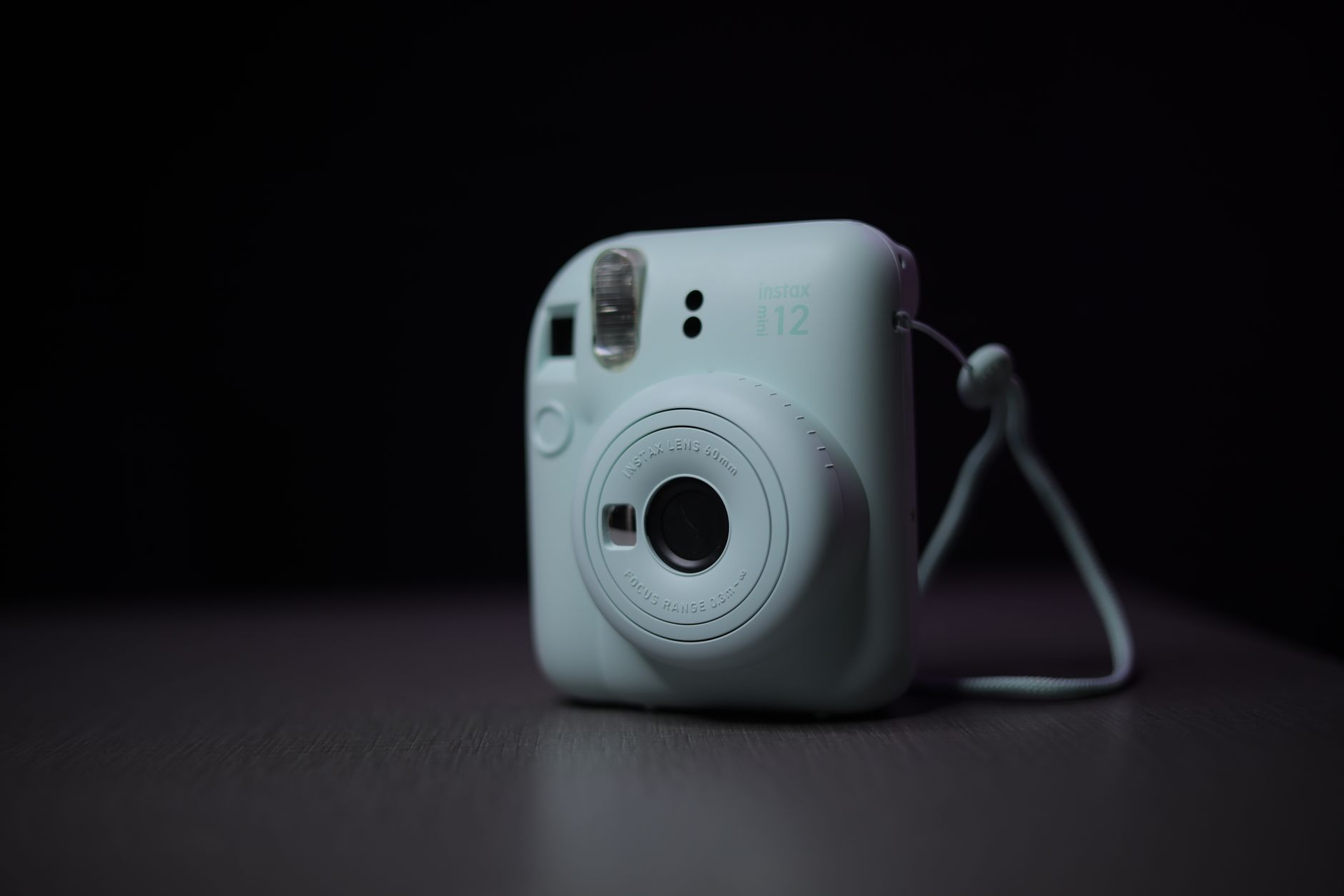
The Fujifilm Instax Mini 12 sits at the accessible end of the spectrum, retailing around $80 and shooting the credit-card-sized Mini format film, which runs roughly $15 to $20 for a 20-pack. It features automatic exposure adjustment and a close-up mode that lets you shoot at distances as short as 35 centimeters — a meaningful upgrade for portrait-style shots. The camera is lightweight, simple enough for first-time users, and widely available. For most people, this is the buy. Fujifilm also offers the Instax Mini Evo, a hybrid digital-analog model that previews shots on a screen before printing, giving shooters more control without sacrificing the tactile appeal of a physical print.
Polaroid’s Premium Play — and Its Tradeoffs
Polaroid has leaned hard into the nostalgia premium. The Polaroid Now+ retails around $150 and pairs with a smartphone app via Bluetooth, unlocking manual modes including double exposure, light painting, and tripod mode. It shoots the classic 3.1-by-3.7-inch i-Type format, which produces the large, square-bordered prints most people associate with the brand. The tradeoff is film cost — Polaroid film runs about $20 for just eight shots, making it one of the most expensive formats per print on the market. That economics reality is hard to ignore for anyone who plans to shoot casually and often.
The Polaroid Go, a smaller and cheaper option at around $100, cuts the print size down to 2.6 by 2.1 inches and uses its own exclusive Go film at roughly $18 for 16 shots. It is portable and genuinely pocketable in a way the Now+ is not, but the smaller image area limits impact. For the Polaroid faithful who want that analog aesthetic and are willing to pay for it, the Now+ delivers. For everyone else, the cost-per-print math is a persistent argument against it.
Kodak Stays in the Race but Trails on Execution
Kodak’s Mini Shot 3 Retro, priced around $80, is the most affordable entry from the brand and comes bundled with film — a genuine differentiator at launch. It uses ZINK zero-ink technology rather than traditional instant film, printing 3-by-3-inch photos that are water-resistant and smudge-proof. The prints lean cooler and more saturated than Fujifilm or Polaroid output, which some users prefer for social-media-ready images. The camera also doubles as a Bluetooth printer, pulling images from a smartphone — a flexibility the others do not offer at this price point.
The broader takeaway from The Verge’s breakdown is that no single instant camera wins across every category. Fujifilm dominates on value and film availability. Polaroid wins on image size, format heritage, and creative features. Kodak competes on versatility and up-front bundle value. The decision comes down to how you weight film cost against print quality, and portability against creative control. Given that each ecosystem locks you into proprietary film, the smartest move is to decide which format you want to commit to before you spend a dollar on hardware. Impulse-buying the cheapest body and then discovering your preferred aesthetic lives in a different format’s film is the most common mistake buyers make in this category.