In its June 21 article titled “Dream,” published by TechTime News, the outlet describes a new wave of artificial intelligence systems designed to simulate, reconstruct, and even influence human dreaming. The report points to a convergence of neuroscience research on sleep, machine learning advances, and consumer technology that is beginning to move from experimental labs into early commercial prototypes.
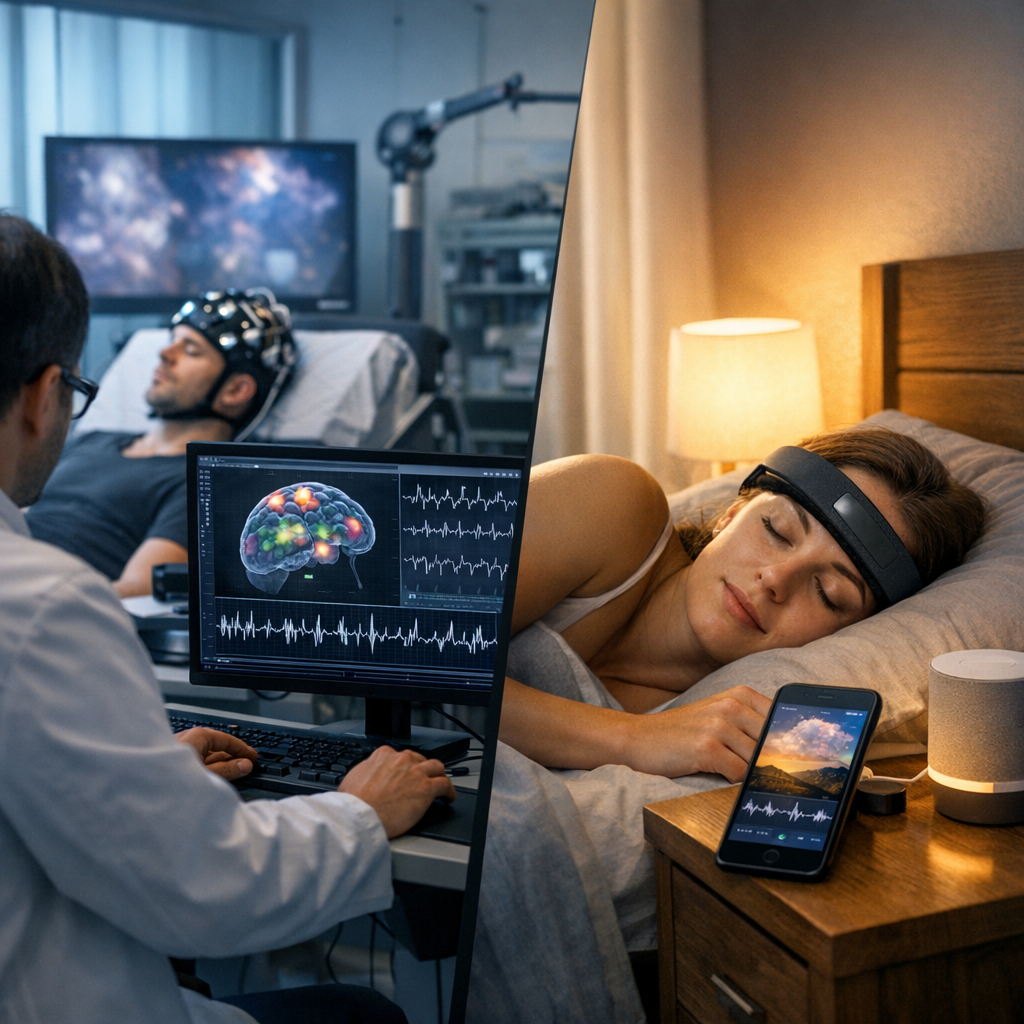
According to TechTime News, researchers behind the so-called “Dream” platforms are building systems that interpret brain signals during sleep and translate them into visual or narrative approximations of a person’s dreams. Using non-invasive neural interfaces paired with generative AI models, these systems aim to reconstruct dream imagery in ways that are both scientifically informative and, potentially, commercially viable.
The article outlines how recent advances in neural decoding techniques have improved the fidelity with which brain activity can be mapped to recognizable images. Earlier experiments in this field were limited to rough visual approximations, but the systems profiled by TechTime News reportedly achieve significantly greater accuracy by training AI models on individualized brain patterns. This personalization, researchers argue, allows for more precise reconstructions of subjective experiences.
Beyond passive observation, the report also highlights efforts to influence dream content. By delivering subtle auditory or sensory cues during specific sleep phases, developers claim they can steer dreams toward particular themes, building on research into targeted memory reactivation. Proponents suggest this could have therapeutic applications, including treatments for trauma-related disorders or chronic anxiety. However, the article notes that such interventions remain controversial, with scientists cautioning that the long-term cognitive and psychological effects are not yet fully understood.
Ethical concerns are a central focus of the TechTime News piece. The possibility of recording or decoding private dream content raises questions about consent, data ownership, and mental privacy. Experts cited in the article warn that without clear regulatory frameworks, such technologies could be misused in ways that erode fundamental boundaries between internal thought and external observation, echoing broader debates around data privacy and governance.
Commercial interest in the technology appears to be growing. TechTime News reports that several startups are developing consumer-facing devices marketed for sleep enhancement, creativity, and entertainment. These products, still in early stages, promise users the ability to revisit or even share their dreams. Critics, however, question whether such claims are premature and caution against overpromising capabilities that remain experimental.
The article ultimately presents “Dream” technology as emblematic of a broader shift in artificial intelligence, where the focus is moving beyond external tasks and toward the interpretation of human consciousness itself. While the scientific potential is substantial, TechTime News emphasizes that the field is still in its infancy, with significant technical, ethical, and regulatory hurdles yet to be resolved.