
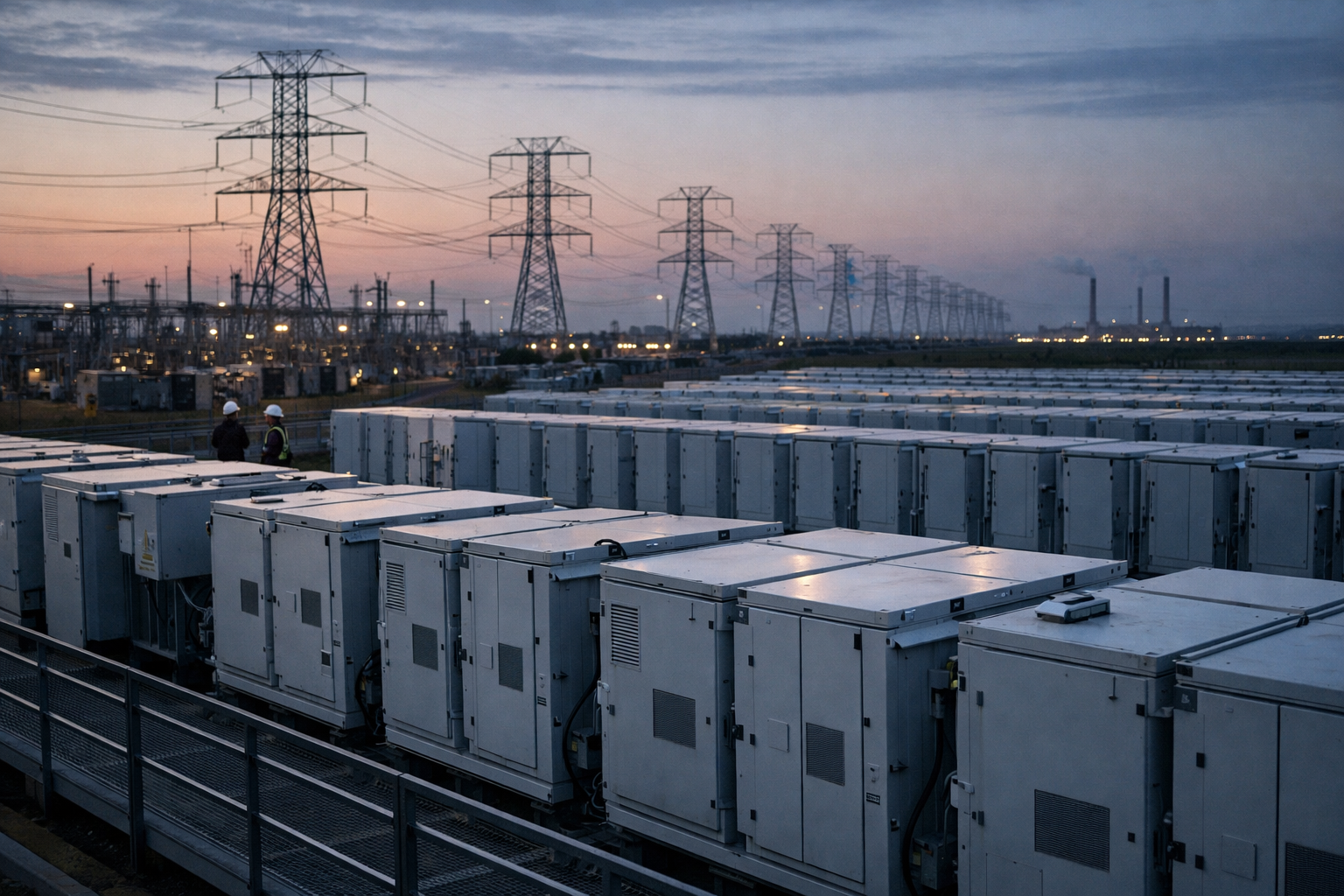
Forget semiconductor stocks. The hottest new way to bet on artificial intelligence might be a power company. A wave of energy-sector initial public offerings is hitting public markets in 2026, driven by investors who want exposure to AI’s voracious electricity appetite without picking winners among the hyperscalers themselves. The trend is reshaping who gets to cash in on the AI buildout — and it is not just the chip designers anymore.
According to Ars Technica’s reporting, the surge in energy-sector listings is being directly linked to Wall Street’s search for infrastructure plays tied to data center expansion. The logic is straightforward: every GPU cluster needs electricity, and the demand projections for AI compute are climbing fast enough that power generation and transmission have become genuine growth businesses.
The Power Demand Problem Driving the Listings
AI data centers are not modest consumers. Large-scale facilities can draw hundreds of megawatts each, and the pipeline of planned hyperscaler campuses across North America, Europe, and Southeast Asia represents a generational surge in electricity demand. Utility-scale developers, independent power producers, and grid infrastructure companies are all positioning themselves to serve that demand — and going public to raise the capital needed to build fast enough.
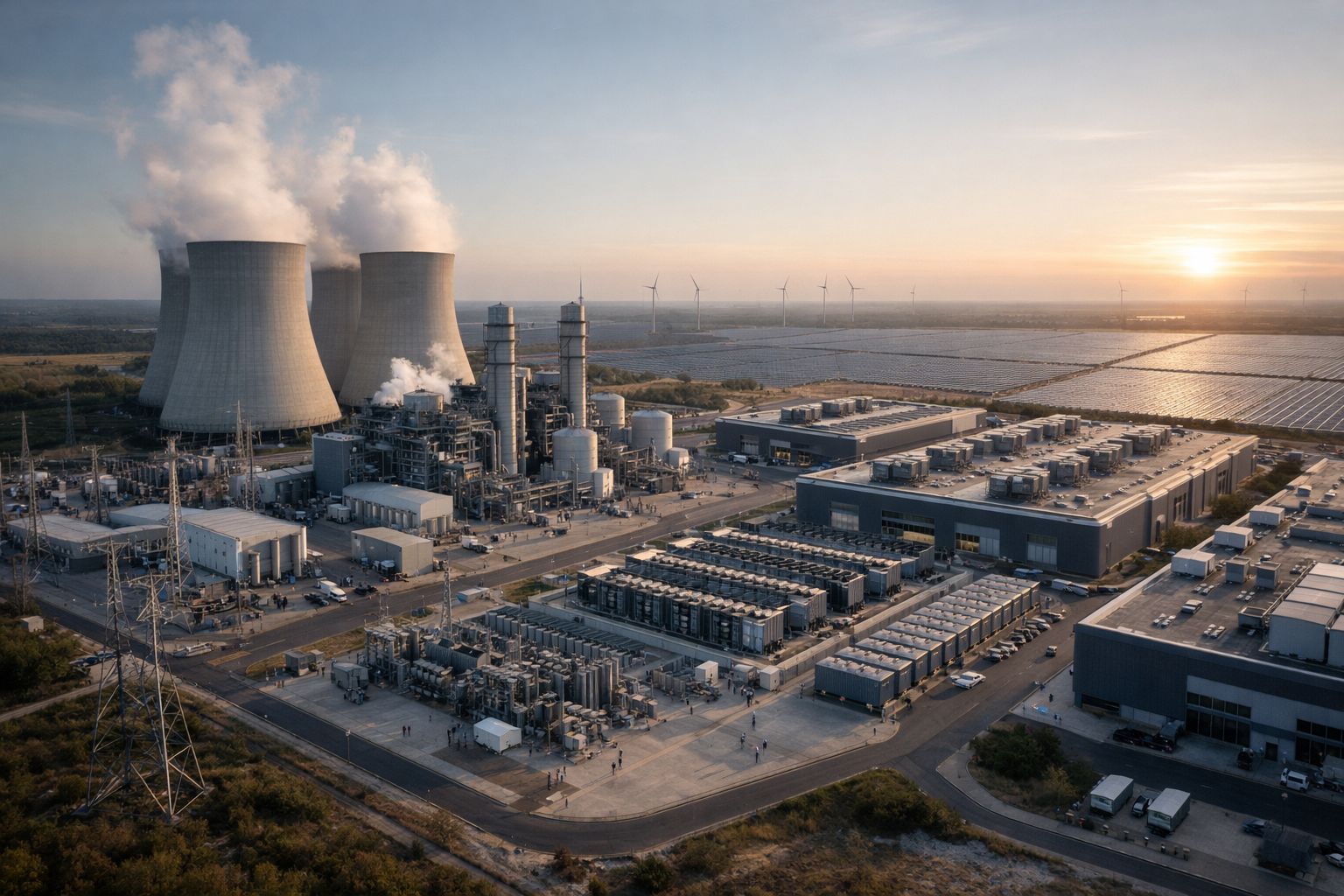
The IPO wave reflects a broader structural shift in how investors think about the AI supply chain. Early bets concentrated on Nvidia and the chip ecosystem. Then attention moved to networking hardware and cloud services. Now the frontier has extended all the way to the physical power grid. Companies that can guarantee long-term, reliable electricity supply to compute-hungry tenants are suddenly attractive in a way they simply were not three years ago.
This follows mounting concern across the industry about whether grids can keep pace with demand. Planned data center projects have been delayed or cancelled in some regions specifically because of power availability constraints, making any company that can credibly solve the electricity bottleneck an appealing IPO candidate.
Investors Rewrite the AI Playbook
What makes the energy IPO surge distinct from ordinary infrastructure investing is the explicit AI narrative attached to each listing. Prospectuses and investor presentations are leaning hard into data center offtake agreements and long-term power purchase contracts with major cloud providers as headline selling points. The message to public-market investors is consistent: this is not a utility play, it is an AI infrastructure play.
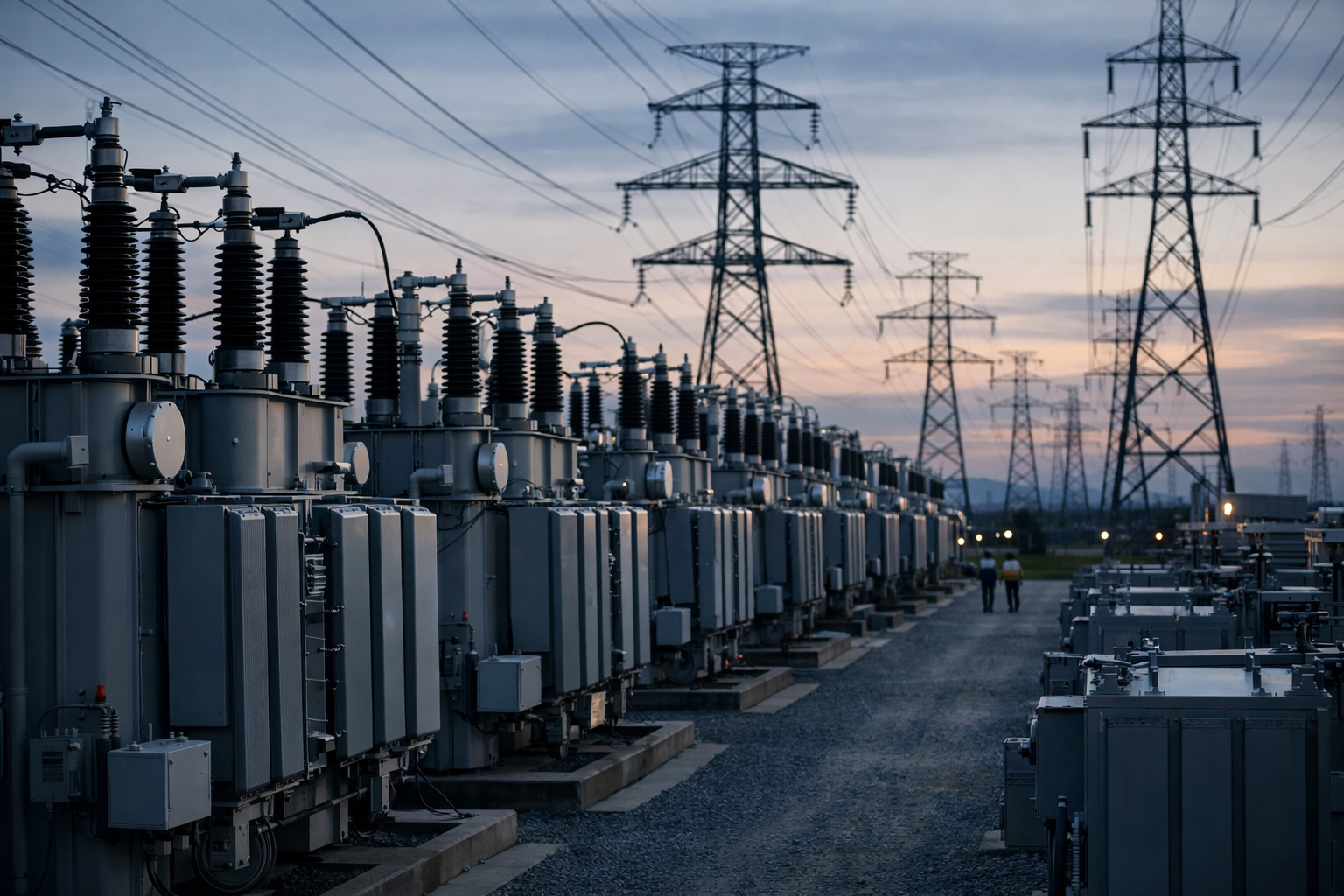
That framing is proving effective. Appetite for anything carrying an AI angle has remained strong even as some pure-play tech listings have stumbled. Energy companies with credible data center customers on their books are commanding valuation premiums that would have seemed implausible in a traditional utilities context. For investors who missed early-stage rounds in AI software companies or find semiconductor stocks too volatile, a power producer with a locked-in hyperscaler contract looks like a relatively tangible bet.
The trend also intersects with growing interest in alternative energy storage and grid technology. Breakthroughs in battery chemistry — such as the advances covered in our look at lithium-metal batteries — are making the long-term economics of renewable-powered data centers more credible, which in turn supports the investment thesis for clean-energy generators going public now.
Whether the IPO wave holds depends heavily on whether AI infrastructure spending stays elevated. If hyperscaler capital expenditure moderates, the power demand story weakens with it. But right now, with every major cloud provider racing to expand compute capacity, the electricity bottleneck is real — and investors are lining up to own a piece of whatever fixes it. The AI boom has officially reached the power grid, and Wall Street is treating that as a feature, not a footnote. The deeper question, explored in AI sovereignty debates, is who ultimately controls the critical infrastructure underpinning that compute — and at what geopolitical cost.
4 thoughts on “Wall Street Is Betting on Power Plants to Cash In on the AI Infrastructure Race”