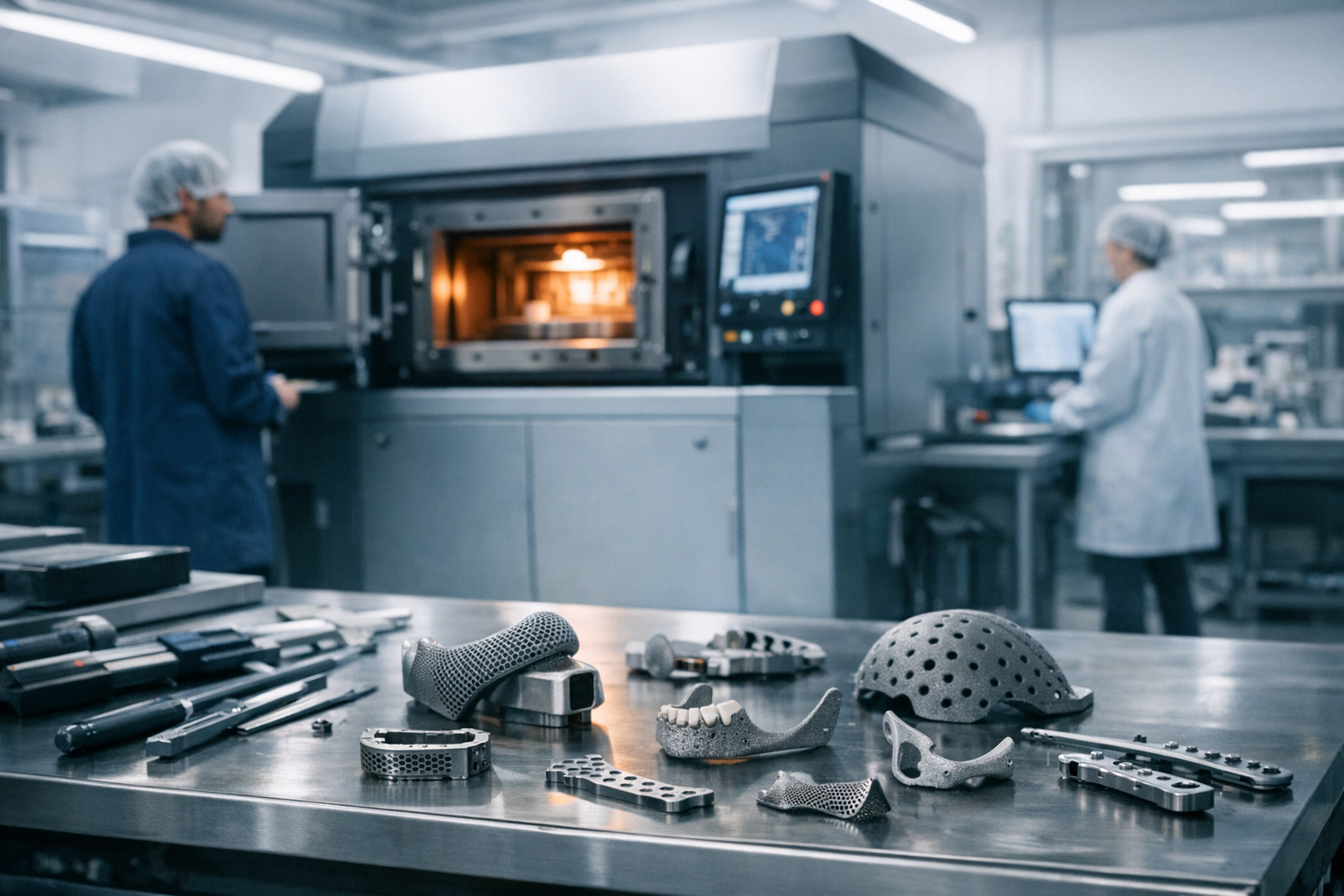
A hospital in Haifa, Israel is about to start manufacturing its own custom implants in-house — no outsourcing, no waiting on a distant supplier. Rambam Health Care Campus has announced a three-way partnership with industrial 3D printing leader EOS and engineering software company PTC to build an advanced digital implant engineering center directly on its campus, according to a PR Newswire report. The move signals a broader shift in how hospitals are starting to think about medical manufacturing: not as a procurement problem, but as a clinical capability.
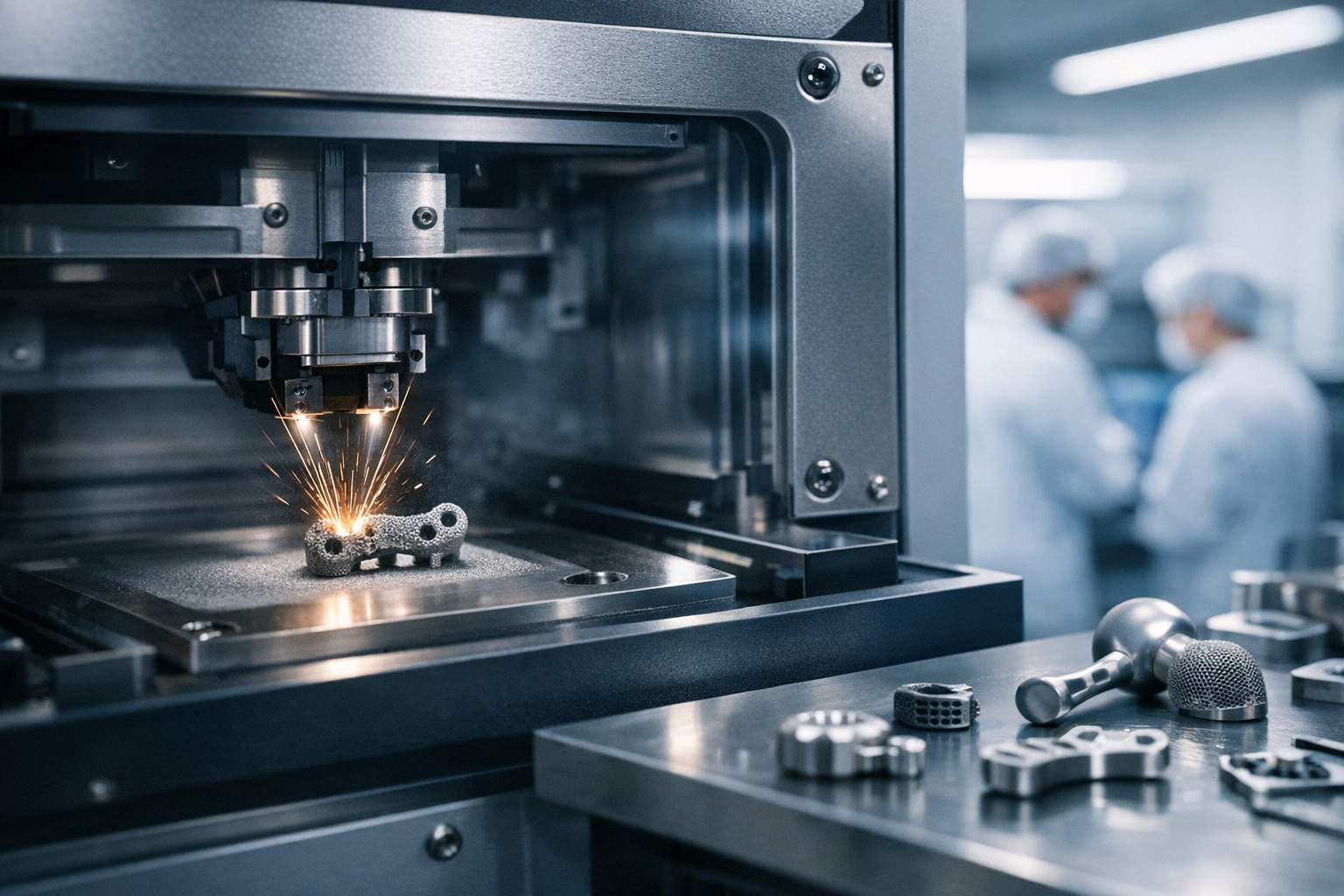
The center will combine EOS metal additive manufacturing systems with PTC’s CAD and product lifecycle management software, creating a fully integrated digital-to-physical workflow. Surgeons and engineers will be able to design patient-specific implants — think custom bone plates, spinal hardware, and joint components — and move from a digital file to a finished titanium part without leaving the hospital campus. That kind of end-to-end control over implant production is rare anywhere in medicine, let alone inside a single facility.
What the Technology Stack Actually Does
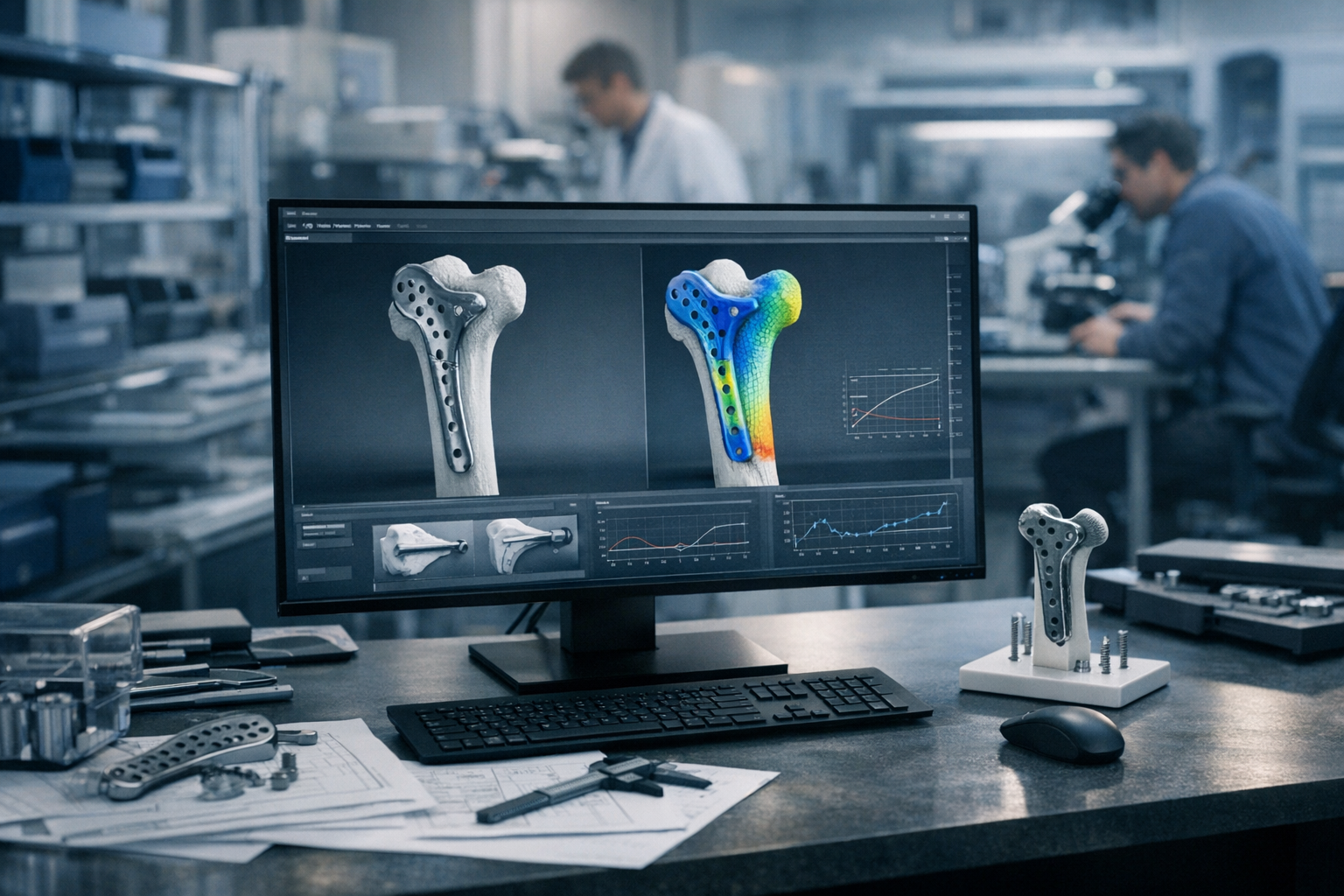
EOS brings the industrial metal printing hardware to the partnership. The company’s powder-bed fusion systems can produce complex geometries in titanium and other biocompatible alloys that would be impossible to machine conventionally. PTC’s contribution is the software layer — its Creo CAD platform and Windchill PLM tools will handle design, simulation, and regulatory documentation, keeping the entire engineering workflow traceable and audit-ready, a non-negotiable requirement in any regulated medical environment.
That combination matters because implant manufacturing is not just a fabrication challenge — it is a data management challenge. Every patient-specific device needs a complete digital thread from scan data and surgical plan through design iteration and final production. PTC’s software is built to maintain exactly that kind of traceability. Pairing it with EOS hardware means Rambam is not stitching together mismatched tools; it is deploying an integrated stack designed to handle the complexity of individualized medical devices at scale.
Why a Hospital Doing This In-House Changes the Game
Hospitals that want custom implants today typically work through third-party manufacturers, a process that adds cost, lead time, and communication friction at exactly the moments when speed matters most. Rambam, as one of Israel’s largest and most technologically advanced medical centers — and a facility with a track record of treating complex trauma cases — has obvious incentive to compress that cycle. Building the capability internally means surgical teams can iterate on implant designs in direct conversation with engineers down the hall rather than through a procurement chain.
The implications stretch beyond Israel. If Rambam demonstrates that a hospital can run a certified, high-output implant production center safely and efficiently, it becomes a reference model that other major medical centers worldwide will study. The economics of additive manufacturing for medical devices have been improving steadily for years, and a functioning hospital-based center would be a proof point the industry has not yet had in this form. As manufacturing and software converge in medical settings, this partnership looks less like a one-off experiment and more like an early blueprint. The broader trend of digital tools reshaping regulated industries — from medical devices to government operations — is accelerating fast, much like the way AI regulatory review is transforming how institutions process complex technical decisions at scale. Meanwhile, material science breakthroughs in adjacent fields, including advances in battery electrolytes, are a reminder of how fast lab-stage innovation can move toward real-world deployment when institutional partners commit seriously to the infrastructure.