
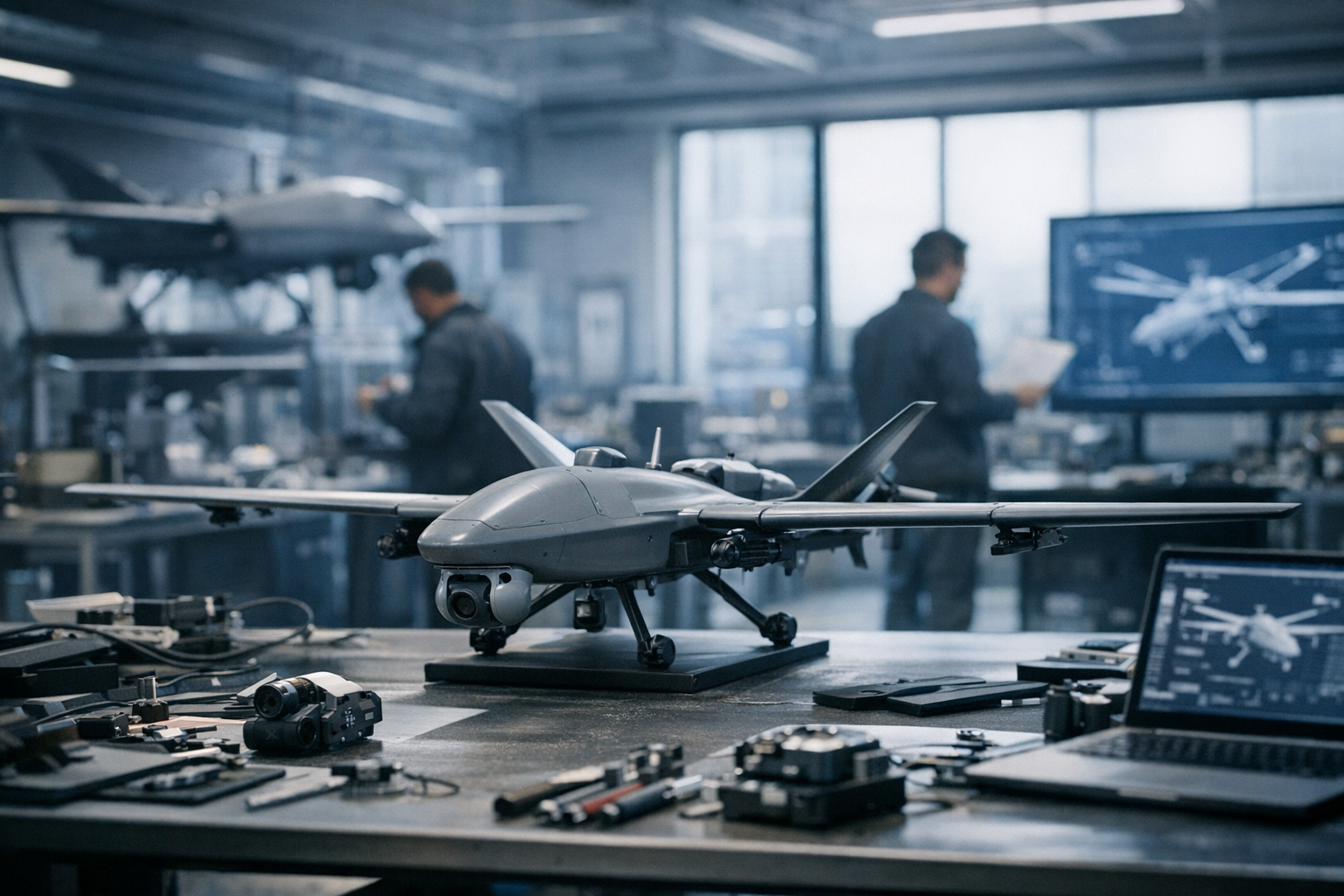
The age of the drone is no longer coming — it is here, and governments are spending accordingly. According to new market research from MarketsandMarkets, the global military drone sector is on track to reach USD 22.81 billion by 2030, expanding at a compound annual growth rate of 7.6 percent from its current valuation. That trajectory makes military UAVs one of the fastest-scaling segments in defense technology — a fact that is reshaping procurement budgets, industrial supply chains, and the geopolitical calculus of modern warfare. For context on how AI-powered systems are already being weaponized in geopolitical conflicts, the broader pattern is hard to ignore.
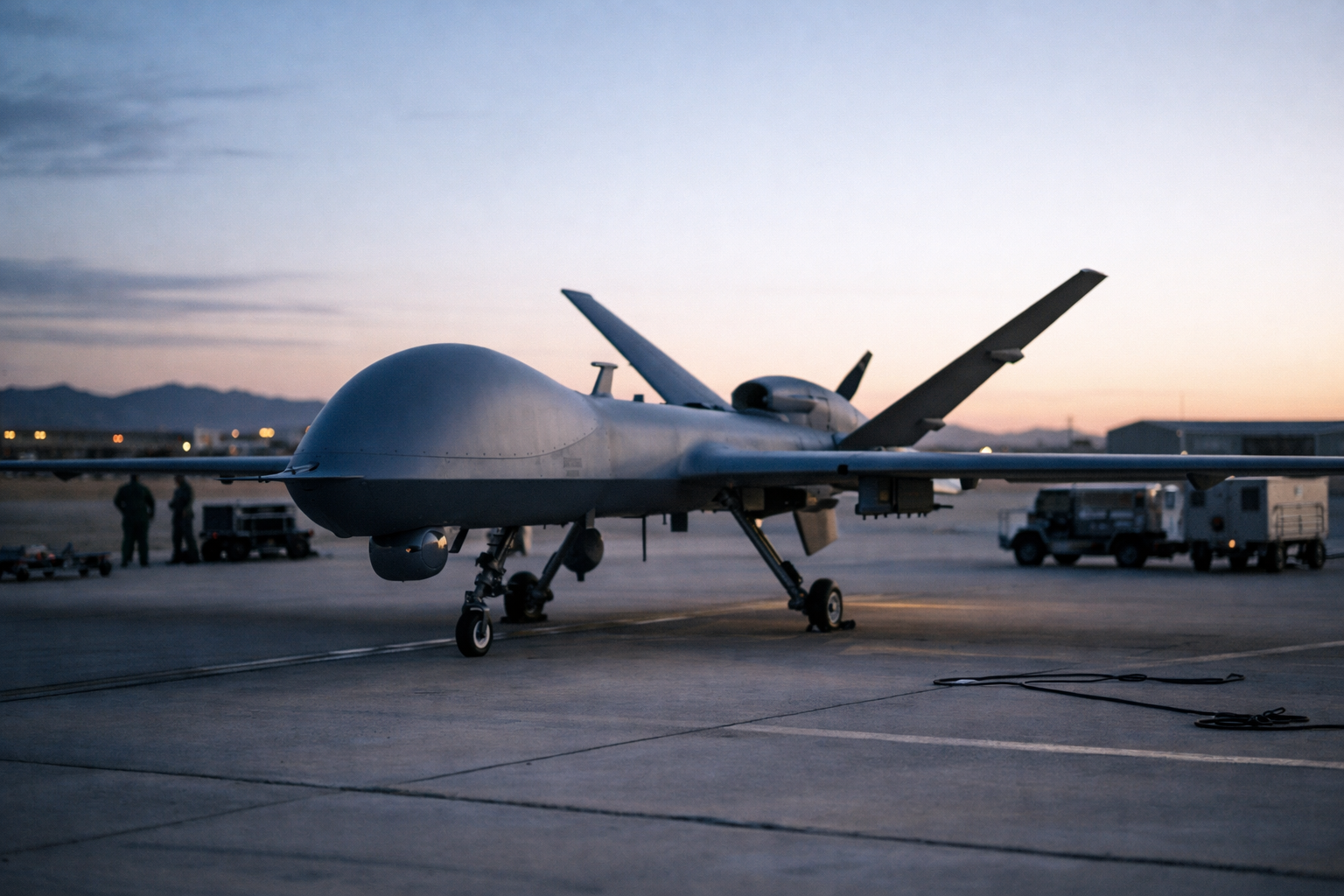
The report, covered by GlobeNewswire under the title “Military Drone (UAV) Market to Reach USD 22.81 Billion by 2030, Growing at 7.6% CAGR, Says MarketsandMarkets,” identifies surging demand across reconnaissance, combat, and logistics missions as the core engine of growth. Conflict zones from Ukraine to the Middle East have functioned as live proving grounds, accelerating battlefield validation of autonomous aerial systems and convincing defense ministries worldwide that drone fleets are no longer optional force multipliers — they are foundational infrastructure.
What’s Fueling the Spend
Several converging pressures are pushing the market higher. First is the raw lesson of recent wars: cheap, expendable drones have repeatedly neutralized expensive conventional assets, from armored vehicles to air defense radar systems. That asymmetry has forced a rethink inside defense establishments that spent decades optimizing for platform-centric warfare. Nations that once leaned on manned aircraft for ISR — intelligence, surveillance, and reconnaissance — are now fast-tracking UAV procurement because the risk-to-capability ratio is simply too favorable to ignore.
Second is the connectivity revolution happening around UAV infrastructure. A separate GlobeNewswire report on the drone communication market highlights the role of non-terrestrial networks — including low-earth-orbit satellite constellations — in dramatically extending the operational range and resilience of drone fleets. Military platforms that once required line-of-sight radio links can now operate over satellite-backed mesh networks, making truly long-range autonomous missions viable. That communication backbone is becoming a procurement line item in its own right, adding another layer of market expansion beyond the airframes themselves.
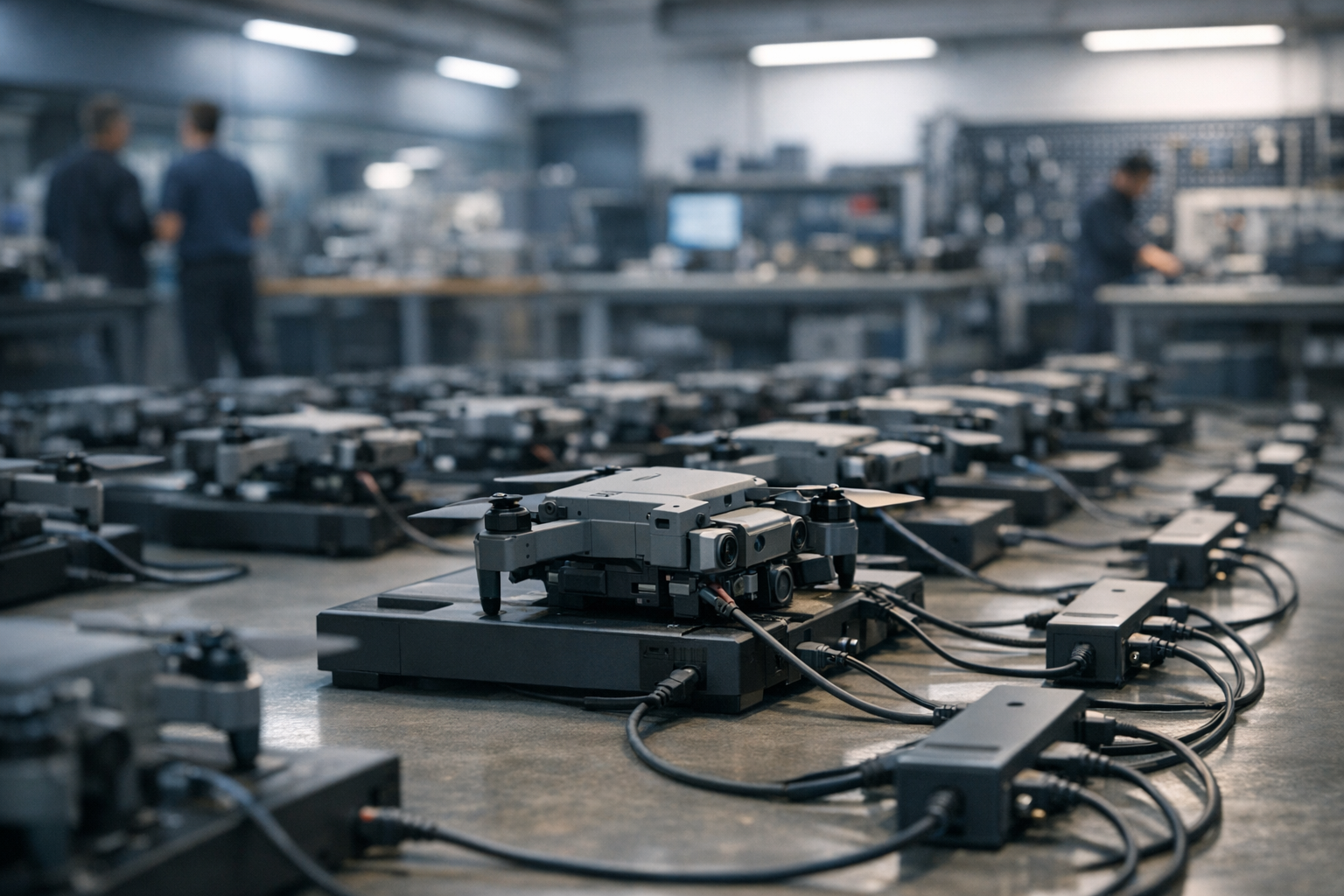
Third is the AI integration wave. Autonomy — the ability for a drone to navigate, identify, and respond without constant human input — is moving from research labs into fielded systems. The implications for operational tempo are significant: AI-enabled drones can execute missions at machine speed, reducing the cognitive load on human operators and enabling swarm tactics that overwhelm traditional point defenses.
The Competitive and Industrial Stakes
The MarketsandMarkets analysis identifies North America as a dominant regional market, driven by sustained U.S. Department of Defense investment and a mature domestic industrial base that includes major contractors alongside a growing tier of agile defense startups. But the competitive landscape is global. China has aggressively expanded its military drone capabilities and export portfolio, while European NATO members are accelerating their own programs following the hard lessons of the Russia-Ukraine conflict.
Meanwhile, the autonomous imaging side of the broader drone economy is scaling in parallel. According to a separate market projection, the autonomous imaging drone segment alone is poised to surpass 40 billion dollars by 2030 as AI-driven aerial intelligence accelerates — a figure that dwarfs the military-specific slice and signals just how deeply drone technology is penetrating both defense and commercial applications. The boundaries between those two worlds are blurring fast, as dual-use sensors, communication hardware, and AI processing chips flow across sectors. That blurring, more than any single procurement contract, is what makes the 7.6 percent CAGR figure feel conservative rather than ambitious. The military drone market is not a niche — it is becoming the backbone of how nations project power and protect borders in the decades ahead. Defense budgets will follow. They already are. And for AI security firms eyeing defense contracts, the drone surge opens an entirely new attack surface that demands attention.


One thought on “The War Drone Economy: Why the Military UAV Market Is Headed for $22.8 Billion by Decade’s End”