
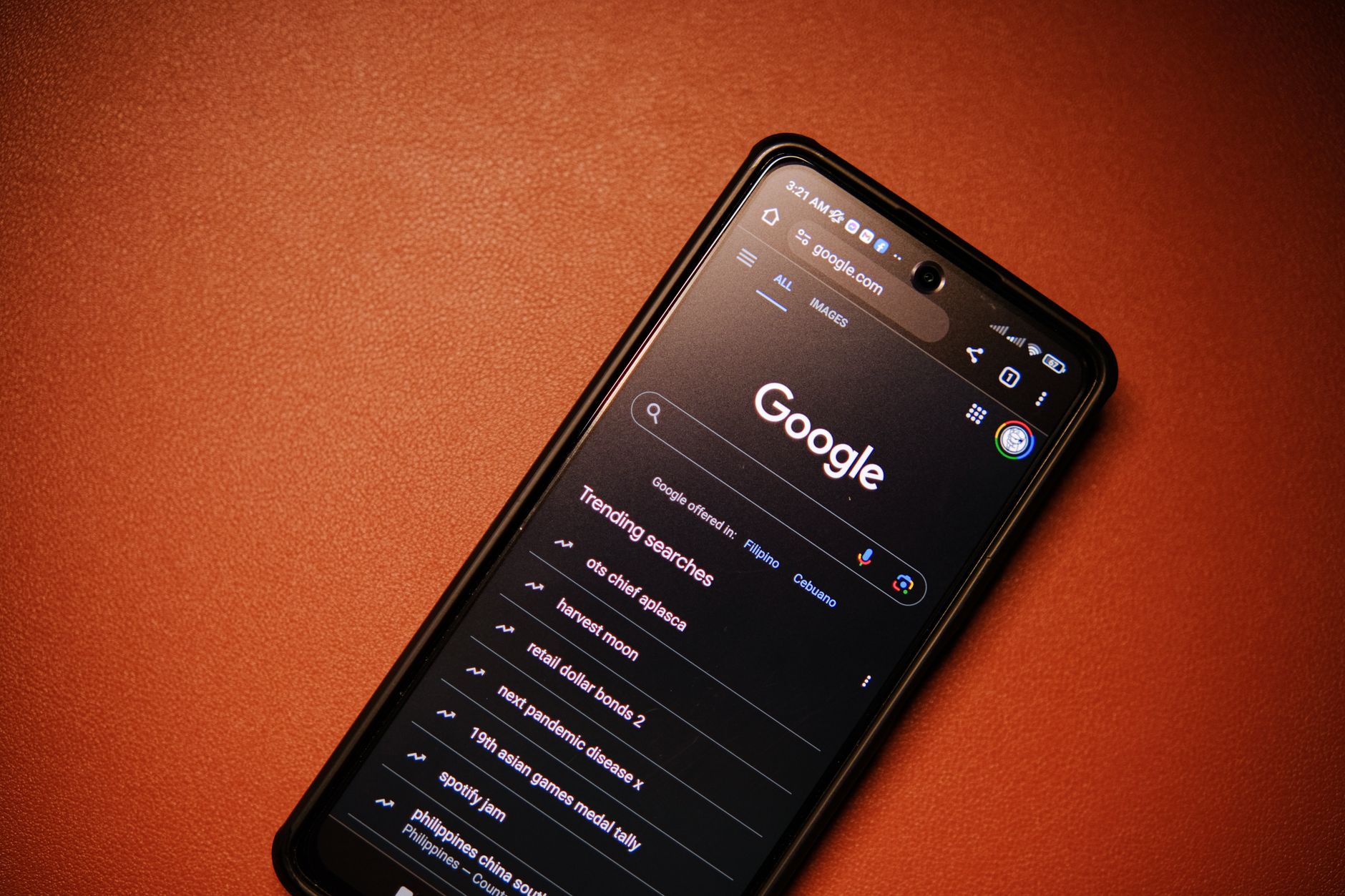
If you have ever clicked “Share” on a Claude conversation or Artifact and assumed it was semi-private — viewable only by people you directly sent the link to — it is time to revisit that assumption. A growing number of users have discovered that shared Claude chats and Artifacts generated by Anthropic’s AI assistant are being crawled and indexed by Google, making them fully discoverable through public search queries. As VentureBeat reported, the issue surfaced after users noticed their supposedly obscure shared links appearing in Google Search results without any deliberate effort to publish them. For anyone who has shared sensitive work drafts, business strategy documents, or personal research through Claude, the implications are immediate and uncomfortable.
The timing is awkward for Anthropic, which has been aggressively positioning Claude as a trustworthy enterprise tool. The company’s Opus 5 launch was pitched squarely at business pipelines and high-stakes professional workflows — exactly the environments where confidential data leaking into a public search index could cause real damage.
What’s Actually Getting Exposed
The core issue is how Anthropic handles the robots.txt configuration and meta-tag directives for its shared content pages. When a user generates a shareable link for a Claude conversation or Artifact — the feature that lets Claude produce standalone HTML apps, code files, and formatted documents — the resulting URL appears to lack consistent crawling restrictions. Google’s bots can follow those links, index the content, and serve it to anyone running the right search query. Users do not receive a warning during the sharing flow that their content may become publicly searchable.
The breadth of what Claude’s Artifact feature can produce makes this especially consequential. Artifacts are not just chat transcripts; they include functional web apps, data visualizations, fully formatted reports, and code outputs. Any of those objects, once shared via a public link and indexed, could expose proprietary logic, internal data structures, or sensitive narratives to anyone with a browser. The discoverability window depends entirely on how aggressively Google’s crawlers have already processed a given URL — meaning some content may have been indexed for weeks before users became aware.
The Broader Privacy Architecture Problem
This situation exposes a pattern that recurs across AI platforms: sharing features are often designed for convenience first, with privacy controls treated as an afterthought. The distinction between “anyone with the link can view this” and “this is now publicly searchable” is not a subtle one, but many platforms blur it in their UI. Claude’s share flow, based on accounts from affected users, does not surface a clear disclosure that Google indexing is a possibility. That ambiguity is precisely where user trust erodes.

It is a concern that echoes broader tensions in the AI industry around data handling and transparency, issues that has also navigated as it tightens policies around content and user expectations. Anthropic has not, at time of publication, issued a formal statement detailing whether it will add noindex directives to shared content pages, introduce opt-in indexing as a toggle within the share dialog, or retroactively request removal of already-indexed URLs from Google’s cache. Each of those remedies carries its own complexity — retroactive deindexing in particular can take days to weeks to propagate through Google’s systems even after a removal request is submitted.
For users with existing shared links, the practical advice is straightforward if inconvenient: audit what you have shared, assume it may already be indexed, and use Claude’s link-management settings to disable any shares containing sensitive material. The episode is a useful reminder that “sharing” in the context of a public web platform is rarely as contained as the word implies — and that AI tool developers building social and collaborative features into their products need to treat search engine discoverability as a default assumption, not an edge case.