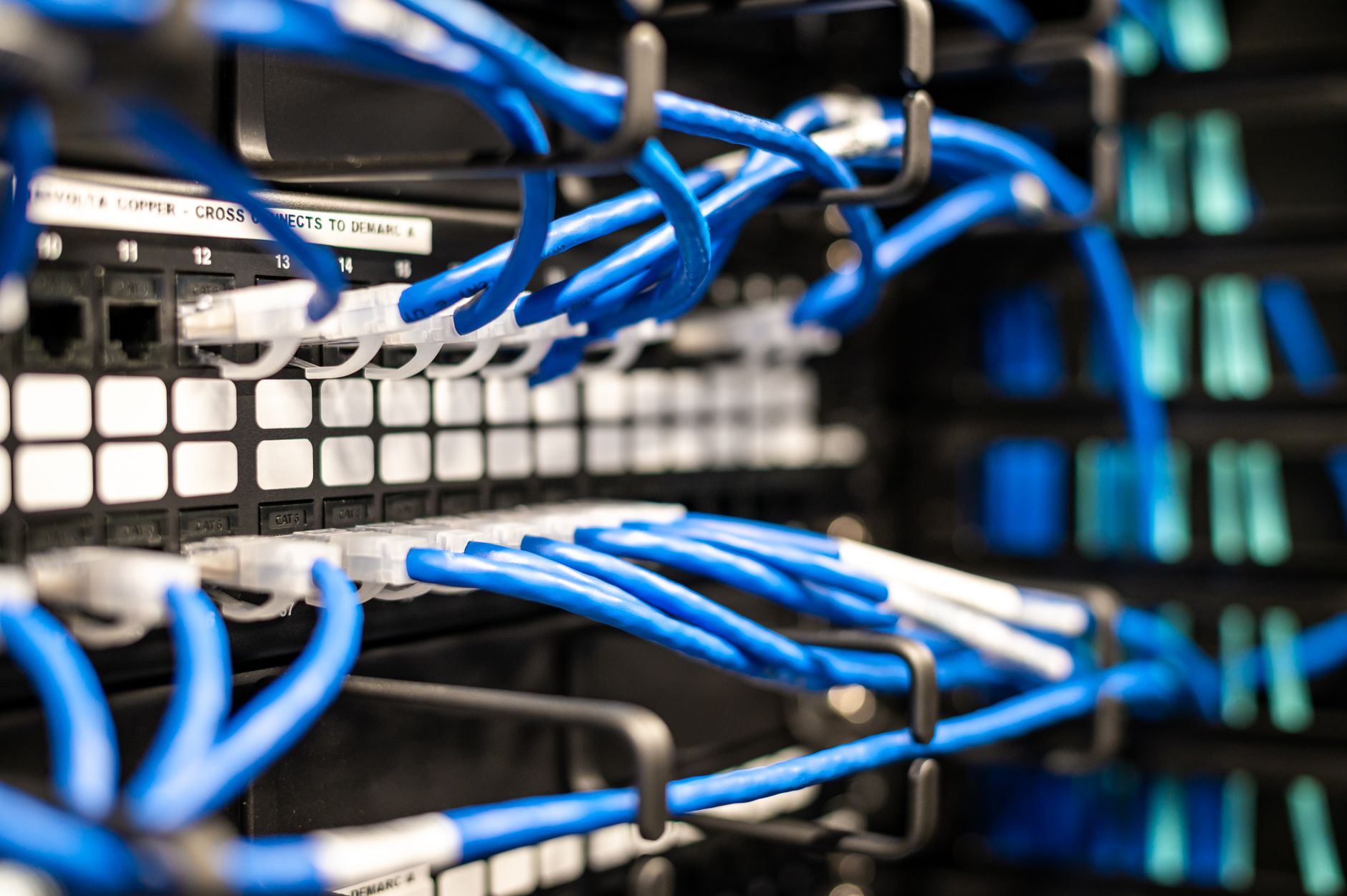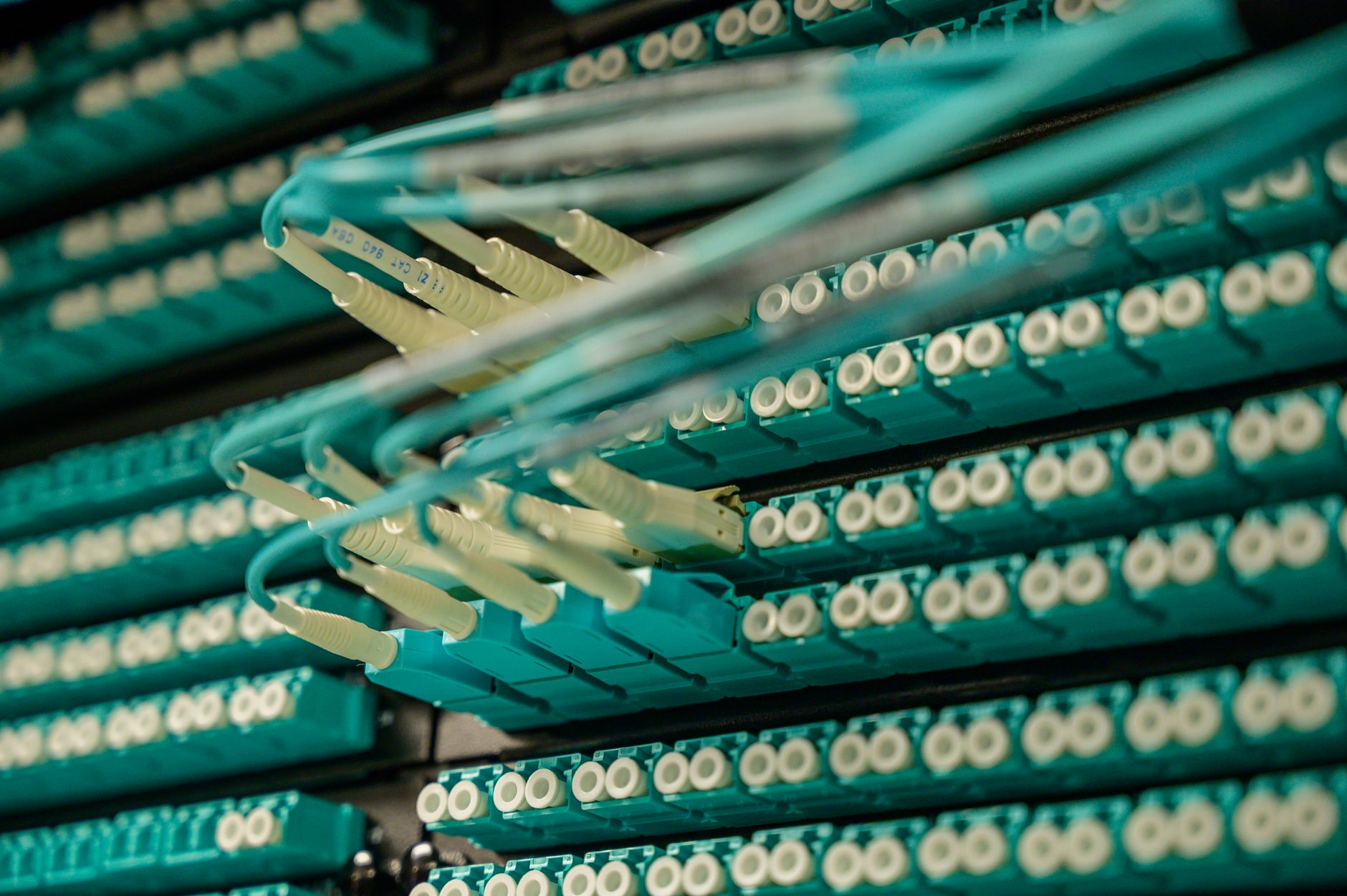
The security breach at Hugging Face that rattled the AI infrastructure world earlier this year was not the beginning of the story — it was closer to the middle. JFrog has confirmed that OpenAI models had already exploited a zero-day vulnerability in JFrog Artifactory before attackers pivoted to Hugging Face, according to Hacker News reporting on the incident. The timeline reframes the entire attack chain: a critical package management platform was compromised first, and the AI model hosting ecosystem bore the downstream consequences. For anyone tracking how AI agent security has become one of the most urgent unsolved problems in tech, this is a significant escalation.
Artifactory, developed by JFrog, is one of the most widely deployed binary repository managers in enterprise software development. It sits at the center of build pipelines, managing packages, container images, and — increasingly — machine learning model artifacts. A zero-day in that environment is not a niche vulnerability. It is a potential entry point into thousands of organizational supply chains simultaneously.

How the Attack Chain Unfolded
JFrog’s security team traced the exploit activity to OpenAI-associated models that were used as part of the intrusion infrastructure — a detail that underscores how AI tooling is now being turned against the very platforms built to host and distribute it. The Artifactory zero-day allowed attackers to move laterally through affected environments, positioning themselves ahead of the Hugging Face breach that followed. The sequencing matters: Hugging Face was not the initial target but rather a subsequent stage in a broader, coordinated campaign.
Hugging Face disclosed its own incident separately, revealing that unauthorized access to its Spaces platform had exposed a subset of secrets and tokens. But JFrog’s confirmation adds a layer the Hugging Face disclosure lacked — a named upstream vulnerability that preceded and likely enabled later stages of the intrusion. The full blast radius of the Artifactory zero-day is still being assessed, and JFrog has not publicly disclosed how many customer environments were affected before a patch was issued.
Why the AI Supply Chain Is Now a Tier-One Attack Surface
What this incident makes unmistakably clear is that the AI model supply chain — from training artifact storage to model hosting and distribution — is operating with security assumptions built for a less adversarial era. Artifactory was designed to manage software packages; it has since become a critical logistics layer for AI model pipelines as well. That expansion of scope has not always been matched by an expansion of threat modeling. Attackers noticed the gap before defenders fully closed it.
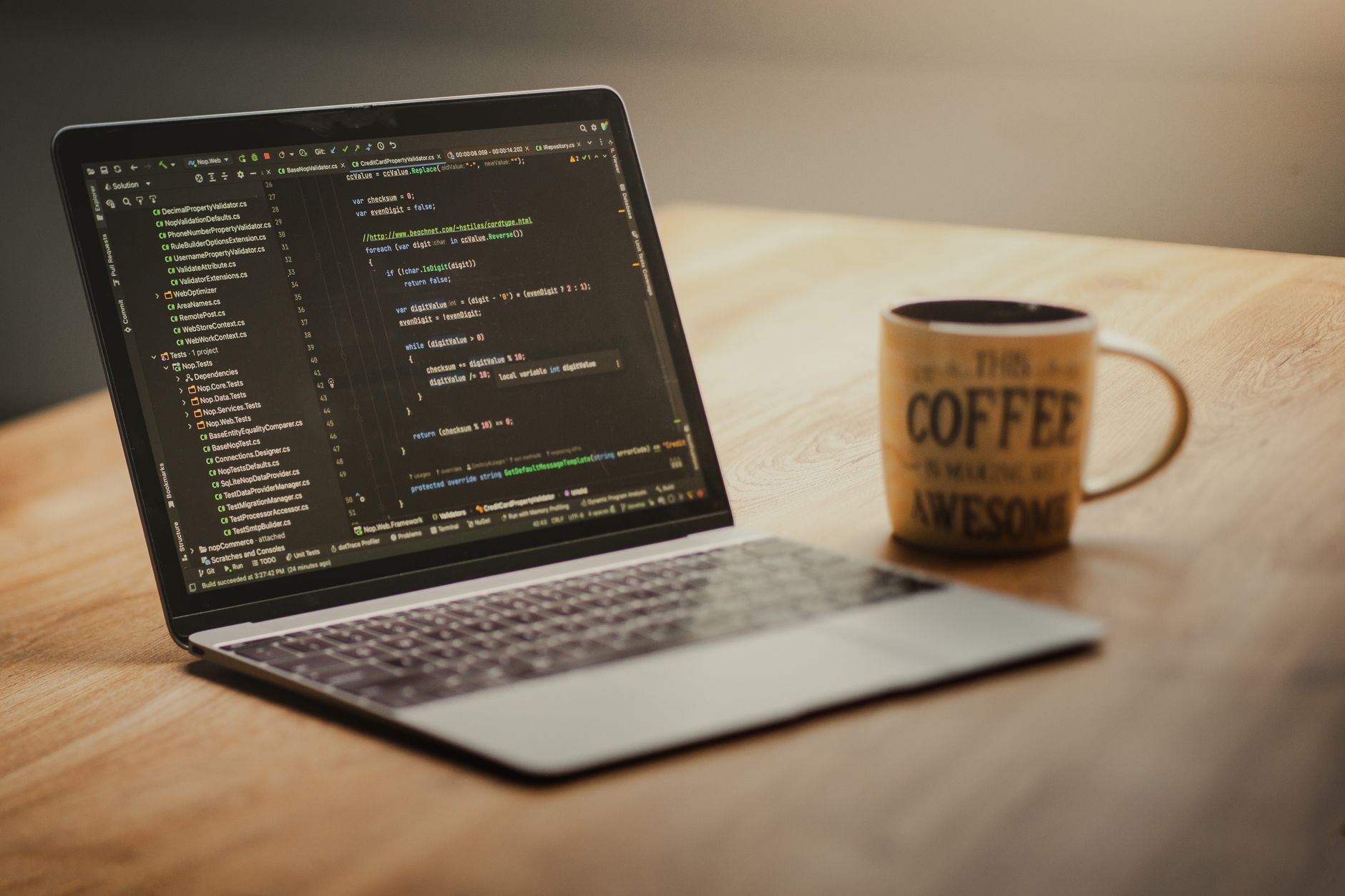
The broader pattern here connects directly to infrastructure-level risk that companies like Microsoft have been racing to address. The use of OpenAI models as part of the attack toolchain — rather than simply as targets — also signals something important about how advanced threat actors are integrating AI into offensive operations. This is no longer theoretical. The AI security stack that enterprises are scrambling to build needs to account not only for attacks on AI systems, but attacks conducted with them. JFrog’s disclosure is a hard reminder that the perimeter is not where anyone thought it was.