A recent report by TechXplore, titled “AI-powered robots could transform how infrastructure is built and maintained,” examines how advances in artificial intelligence and robotics are beginning to reshape one of the world’s oldest and most capital-intensive industries. The article presents a picture of a near future in which autonomous or semi-autonomous machines play a central role in constructing, inspecting and repairing critical infrastructure, from bridges and roads to pipelines and power systems. The original report can be found here: TechXplore article on AI-powered infrastructure robots.
At the core of this transformation is the convergence of machine learning, sensor technology and robotics hardware that is now robust enough to operate in complex, unstructured outdoor environments. Unlike factory robots, which work in controlled settings, infrastructure robots must navigate uneven terrain, variable weather and aging materials. According to the TechXplore report, recent progress in computer vision and adaptive control systems is allowing these machines to interpret surroundings with greater accuracy and make real-time decisions with minimal human intervention.
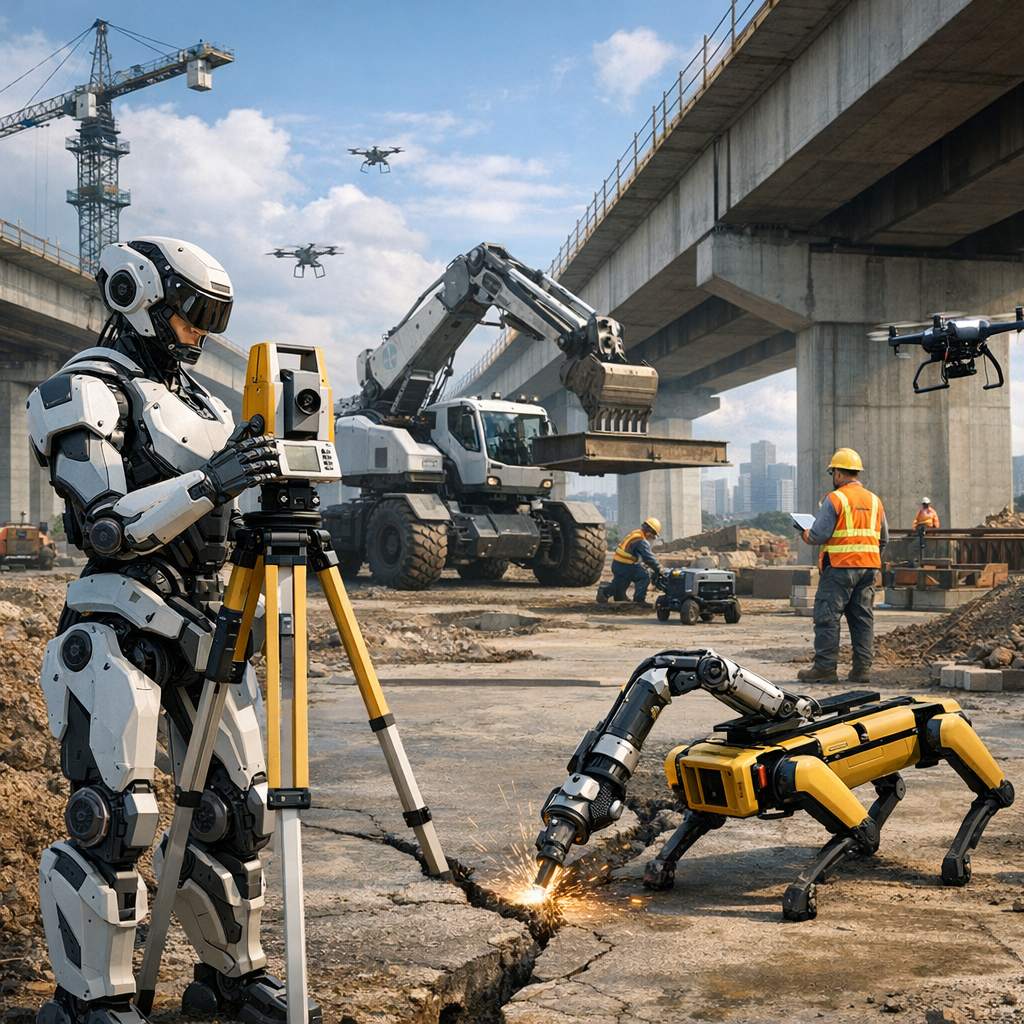
One of the most immediate applications highlighted is inspection. Aging infrastructure has become a pressing concern in many countries, where bridges, tunnels and water systems often exceed their intended lifespans. Traditional inspection methods are labor-intensive, costly and sometimes dangerous. AI-enabled robots, including aerial drones and ground-based units, can scan structures using high-resolution cameras, LiDAR and ultrasonic sensors, identifying cracks, corrosion and other signs of deterioration far more quickly than human crews alone. The data they collect can then be analyzed by machine learning models trained to detect patterns associated with structural failure. Organizations like the American Society of Civil Engineers have repeatedly highlighted the urgency of addressing infrastructure degradation.
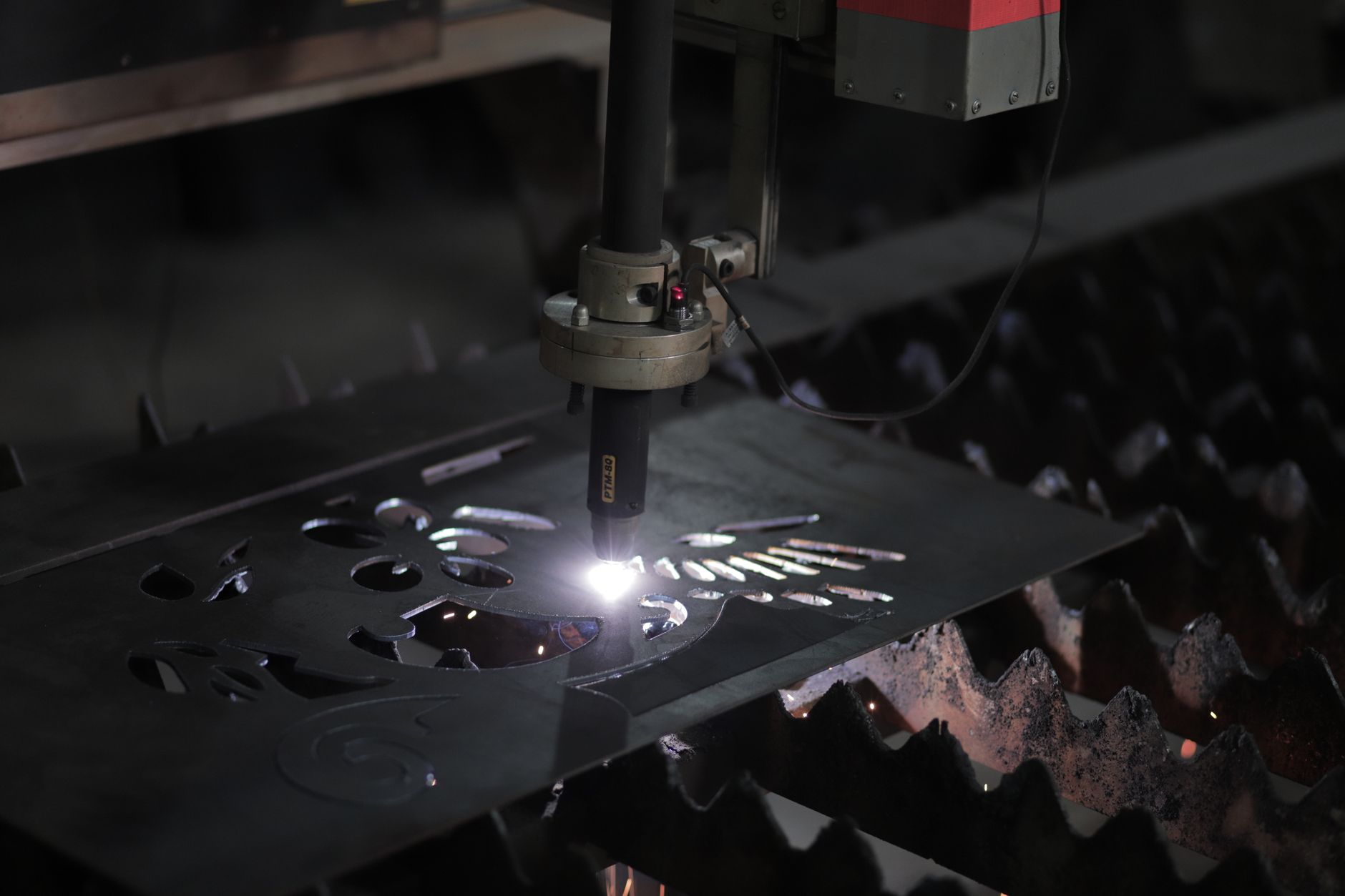
Construction itself is also on the cusp of significant change. The TechXplore article notes that robotic systems are increasingly capable of performing repetitive or physically demanding tasks such as bricklaying, welding and concrete placement. While fully autonomous construction sites remain a distant goal, hybrid approaches are gaining traction, in which human workers oversee fleets of specialized robots. Proponents argue that this model could accelerate project timelines, reduce labor shortages and improve safety outcomes by removing workers from hazardous environments. Advances in robotics platforms are helping to enable these capabilities.
Maintenance and repair represent another area where AI-driven robotics could have a lasting impact. Instead of relying on scheduled inspections, infrastructure systems could be continuously monitored by embedded sensors and serviced by robots only when needed. This predictive maintenance approach, enabled by data analytics and AI, has the potential to reduce costs and prevent catastrophic failures. For example, robotic crawlers operating inside pipelines or sewer systems can identify and address minor defects before they escalate into major problems.
Despite the promise, the TechXplore report also underscores significant challenges. Technical limitations remain, particularly in achieving reliable autonomy in unpredictable conditions. There are also economic and regulatory hurdles, including the high upfront cost of deploying robotic systems and the need for standards governing their use in public infrastructure projects. Workforce implications are another concern, as increased automation may alter the demand for certain types of labor while creating new roles that require advanced technical skills.
Ethical and accountability questions are beginning to surface as well. Determining responsibility when an autonomous system makes an error—especially in critical infrastructure—will require new legal frameworks. Ensuring data security and protecting sensitive infrastructure information from cyber threats are additional priorities as systems become more interconnected. Guidance from institutions such as the National Institute of Standards and Technology (NIST) is increasingly relevant in this context.
The TechXplore article suggests that, while widespread adoption may take time, pilot projects and early deployments are already demonstrating tangible benefits. Governments and private contractors are investing in research and field trials, signaling a broader shift toward digitization and automation in the infrastructure sector.
Taken together, these developments point to a gradual but significant evolution in how societies build and maintain the physical systems that underpin daily life. As AI-powered robots move from experimental tools to practical assets, they are likely to become an integral part of efforts to modernize aging infrastructure and meet the demands of growing urban populations.