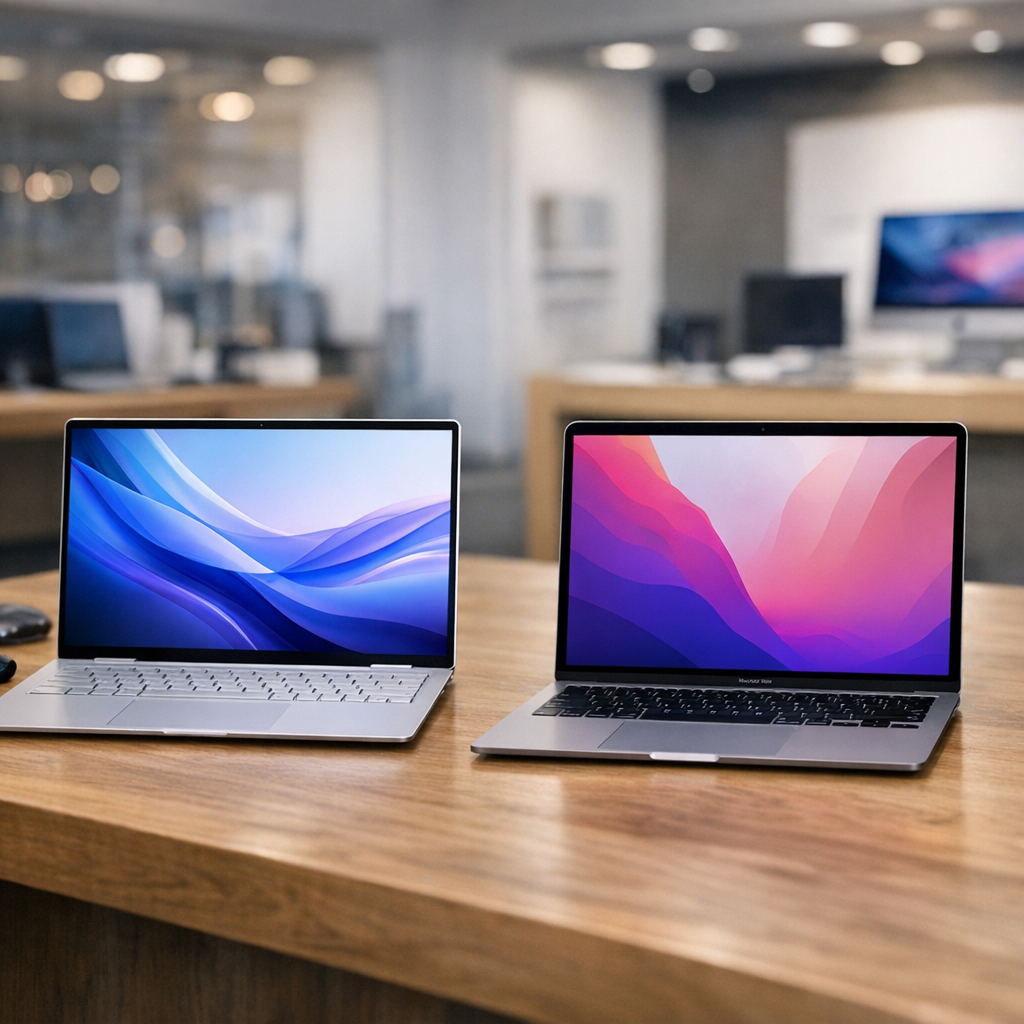
Dell Technologies has introduced a lower-priced variant of its flagship XPS 13 laptop, aiming to expand its reach in the premium ultraportable segment while putting pressure on Apple’s MacBook lineup. The move, reported in the article titled “Dell unveils $699 XPS 13 laptop in challenge to Apple’s MacBook Neo” published by The Economic Times, reflects intensifying competition among major PC makers as they recalibrate pricing and features to appeal to a broader customer base.
The newly announced XPS 13 model starts at $699, a notable drop from the traditionally higher entry price associated with Dell’s premium XPS range. By bringing the cost down, Dell appears to be targeting students, young professionals, and first-time buyers who have increasingly been priced out of high-end ultrabooks. At the same time, the company is seeking to maintain the XPS brand’s reputation for sleek design, build quality, and reliability.
The device is expected to retain hallmark XPS features such as a thin, lightweight chassis and a near-borderless display, though certain internal specifications may be scaled to meet the lower price point. Industry analysts see this as part of a broader trend in which manufacturers are attempting to balance affordability with performance as global PC demand stabilizes after a pandemic-era spike.
Dell’s pricing strategy also positions the product directly against Apple’s more accessible MacBook offerings. While Apple continues to emphasize its in-house silicon and ecosystem advantages, competitors like Dell are leveraging aggressive pricing and familiar Windows-based flexibility to attract buyers weighing cost against brand loyalty and operating system preference.
The launch comes amid renewed competition in the laptop market, driven in part by advances in chip technology and the growing importance of AI-capable hardware. Manufacturers are under pressure not only to differentiate on specifications but also to align with shifting consumer priorities, including battery life, portability, and value.
By introducing a lower-cost XPS 13, Dell is signaling a willingness to adapt its premium lineup to changing market dynamics. Whether this approach will significantly erode Apple’s hold on the high-end consumer segment remains uncertain, but it underscores a broader shift toward more competitive pricing strategies across the personal computing industry.