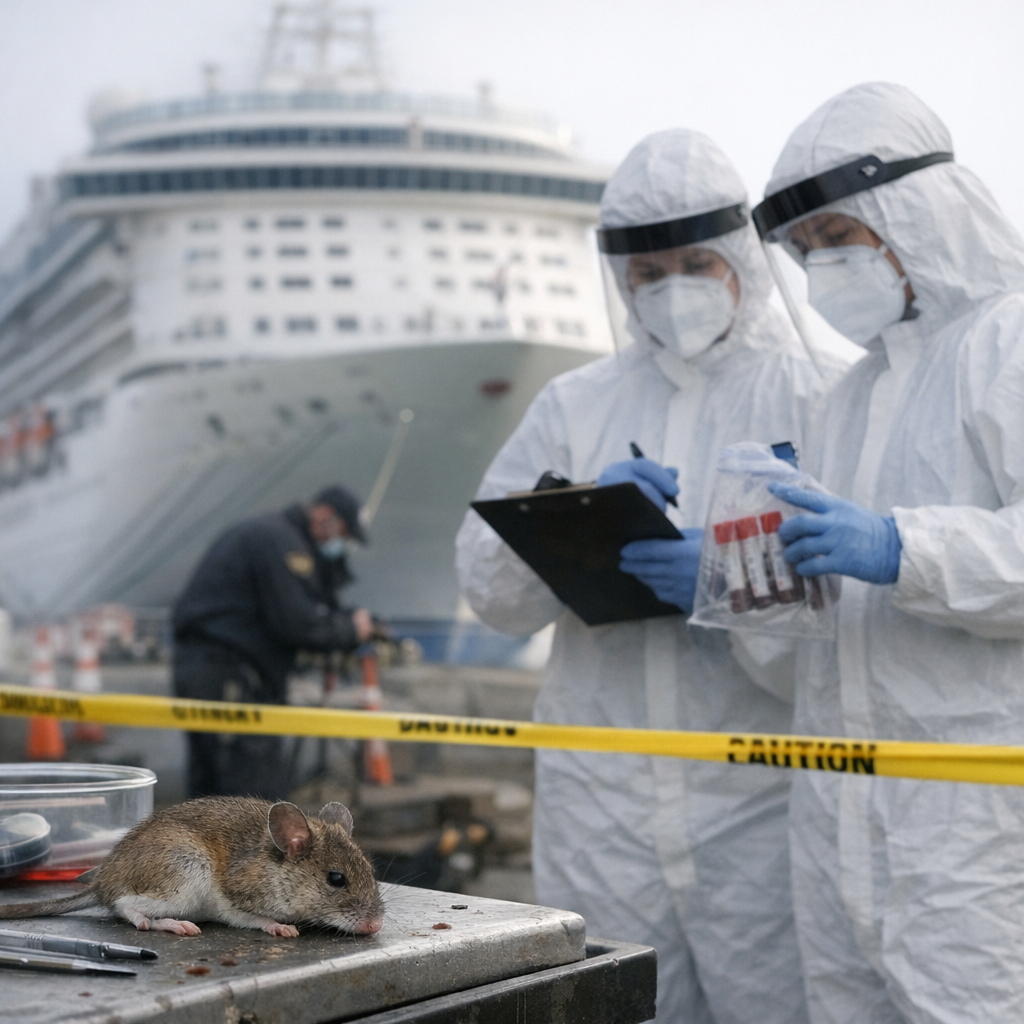
A recent report by Wired, titled “How Does Hantavirus Spread? What You Need to Know About the Atlantic Cruise Ship Outbreak,” has drawn renewed attention to a rare but potentially deadly virus that, until now, has been largely associated with remote or rural exposure rather than maritime travel.
Hantavirus infections are most commonly linked to contact with infected rodent populations, particularly through inhalation of aerosolized particles from urine, droppings, or saliva. Human-to-human transmission is exceedingly rare for most strains, and outbreaks have historically been confined to specific geographic regions where human-rodent interaction is more likely. The emergence of a suspected cluster aboard a cruise ship, as outlined in the Wired report, raises new questions about how such exposure may occur in controlled environments.
Public health experts stress that the virus does not spread through casual contact between passengers. Instead, any onboard transmission would almost certainly involve environmental contamination, such as exposure to enclosed spaces where infected rodents had been present. Cruise ships, while highly regulated in terms of sanitation, are not immune to pest control challenges, particularly in cargo areas, storage facilities, or older infrastructure where rodents can occasionally gain access.
Symptoms of hantavirus infection typically begin with fatigue, fever, and muscle aches, often progressing to more severe respiratory distress in certain strains, particularly those associated with hantavirus pulmonary syndrome. Early diagnosis can be difficult because initial symptoms resemble more common viral illnesses, complicating containment efforts in crowded settings like ships.
The Wired article emphasizes that the risk to the general public remains low. Health authorities continue to characterize hantavirus as a rare disease, with only a limited number of confirmed cases annually in most countries. Nonetheless, the cruise ship incident highlights the importance of strict pest management measures and rapid response protocols in high-density travel environments.
Cruise operators are now under increased scrutiny to demonstrate robust prevention strategies, including regular inspection of storage areas, improved waste handling procedures, and contingency plans for isolating potential cases. Maritime health guidelines already require ships to report unusual clusters of illness, but experts suggest that rare pathogens may require updated protocols that go beyond standard gastrointestinal or respiratory outbreak responses.
Epidemiologists note that increased global travel and changing ecological patterns may contribute to unexpected encounters with pathogens like hantavirus. While no evidence currently suggests a broader trend of maritime outbreaks, the incident serves as a reminder that infectious diseases can surface in unexpected contexts.
For travelers, health officials continue to recommend general precautions rather than alarm. Avoiding contact with potentially contaminated environments, reporting symptoms promptly, and following guidance from onboard medical staff remain the most effective safeguards. As the Wired report makes clear, understanding how hantavirus spreads is key not only to managing this specific outbreak, but also to reinforcing public confidence in travel safety.