A new approach to improving solar energy generation is emerging from the intersection of machine learning and mechanical design, as researchers develop systems that can better track the sun’s movement and optimize power output. The work, detailed in the TechXplore article titled “Machine-learning system helps solar power trackers,” highlights how data-driven models can enhance the efficiency and reliability of solar tracking technologies.
Solar trackers, which adjust the angle of photovoltaic panels to follow the sun across the sky, are already known to increase energy production compared to fixed installations. However, traditional tracking systems often rely on pre-set algorithms or basic sensors that may not account for changing environmental conditions such as cloud cover, wind, or local atmospheric variations. These limitations can reduce performance and, over time, increase wear on mechanical components.
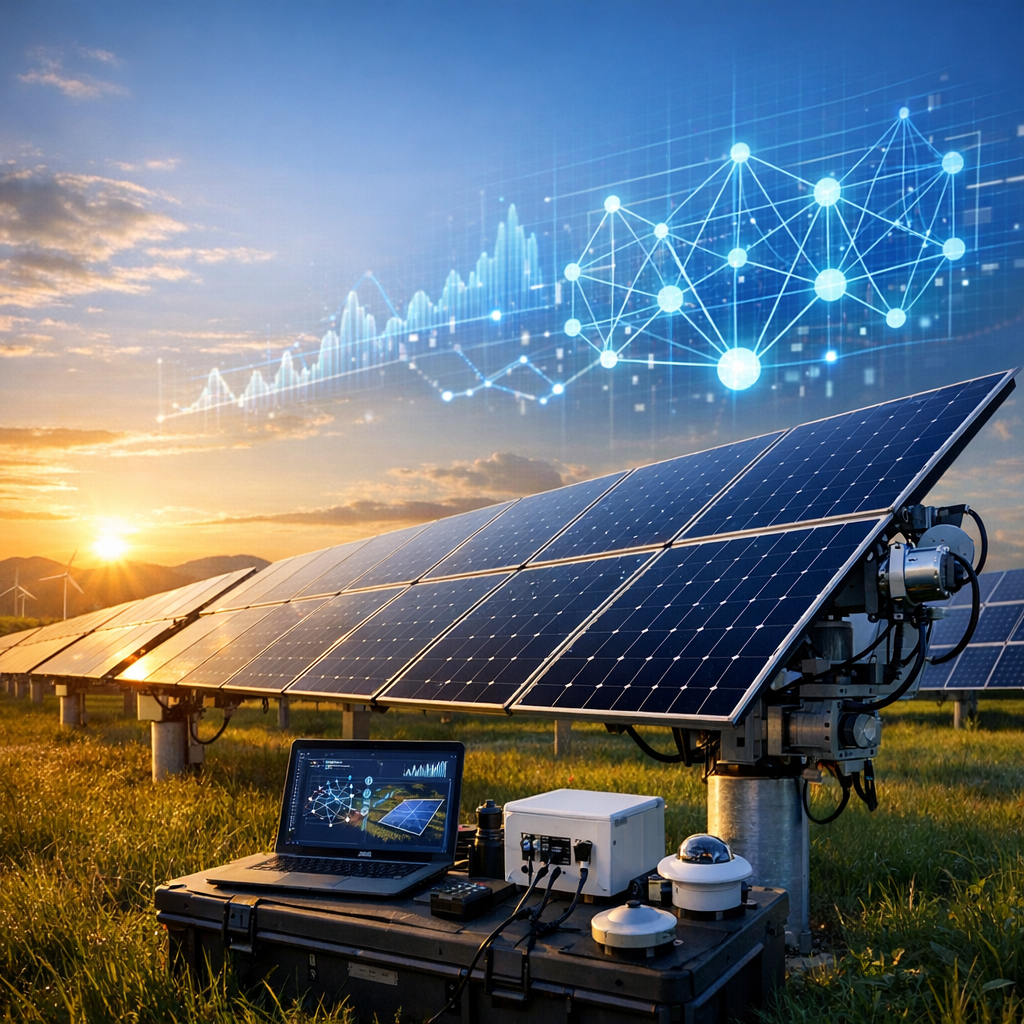
The system described in the TechXplore report introduces a machine-learning model trained on real-world operational data. By analyzing patterns in sunlight intensity, weather variability, and system response, the model can make more precise adjustments to panel orientation throughout the day. This allows the system not only to maximize exposure to direct sunlight but also to respond intelligently to diffuse light conditions, which are typically more difficult to optimize.
One of the key advantages of the approach is its adaptability. Instead of relying on fixed rules, the system continues to learn from new data, refining its predictions and control strategies over time. This could prove particularly valuable in regions with highly variable weather, where static tracking methods often fall short.
Beyond performance gains, the research also suggests potential benefits for maintenance and system longevity. By avoiding unnecessary or overly aggressive movements, the machine-learning model can reduce mechanical strain on tracking hardware. This, in turn, may lower maintenance costs and extend the operational life of solar installations, an important consideration as the industry scales up deployment.
The development comes at a time when solar energy is playing an increasingly central role in global efforts to transition away from fossil fuels. As installations expand, incremental improvements in efficiency can translate into significant gains in overall energy production. Technologies that enhance output without requiring major additional infrastructure are especially attractive to operators seeking cost-effective upgrades.
While further testing and real-world validation will be necessary before widespread adoption, the research underscores a broader trend toward integrating artificial intelligence into renewable energy systems. By combining advanced analytics with physical infrastructure, engineers are finding new ways to extract more value from existing technologies.
As outlined in the TechXplore report, the use of machine learning in solar tracking represents a step toward more responsive, resilient energy systems. If successfully scaled, such innovations could help accelerate the efficiency and competitiveness of solar power in the global energy mix.