A growing body of research is challenging long-standing assumptions about how and when data centers consume electricity, arguing that shifting computing workloads to off-peak hours could significantly ease pressure on power grids while reducing emissions. The idea is explored in the Tech Xplore article “Shifting data center power to off-peak hours”, which highlights emerging strategies to better align digital infrastructure with energy availability.
Data centers, which underpin everything from cloud storage to artificial intelligence systems, are among the fastest-growing sources of electricity demand globally, as noted by the International Energy Agency. Traditionally, these facilities are designed to operate continuously, delivering computing power around the clock regardless of fluctuations in grid demand or energy prices. This constant consumption pattern can exacerbate peak load periods, when electricity is both more expensive and more carbon-intensive.
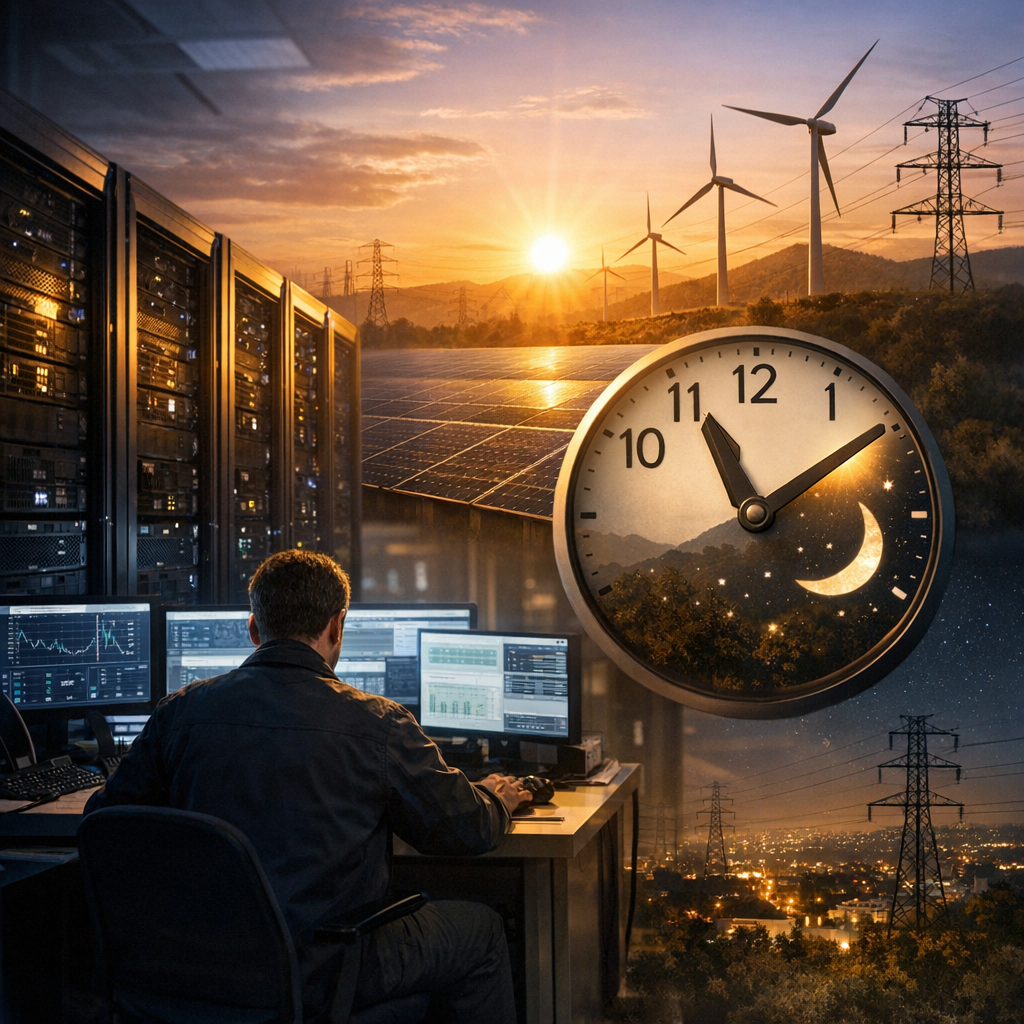
The research discussed by Tech Xplore suggests that not all computing tasks require immediate execution. Certain workloads, particularly those involving data processing, analytics, or AI model training, can be scheduled with greater flexibility. By delaying these tasks to times when demand on the grid is lower or when renewable energy generation is abundant, operators could meaningfully reduce both costs and environmental impact. This idea aligns with emerging concepts like carbon-aware computing.
This approach hinges on rethinking how data center operations are managed. Instead of prioritizing constant, real-time performance for all tasks, operators would categorize workloads based on urgency and tolerance for delay. Time-sensitive services, such as online transactions or streaming, would remain uninterrupted, while less urgent processes could be deferred. Advances in workload orchestration software and predictive analytics are making such distinctions increasingly feasible, as also reflected in findings from the Uptime Institute’s global data center survey.
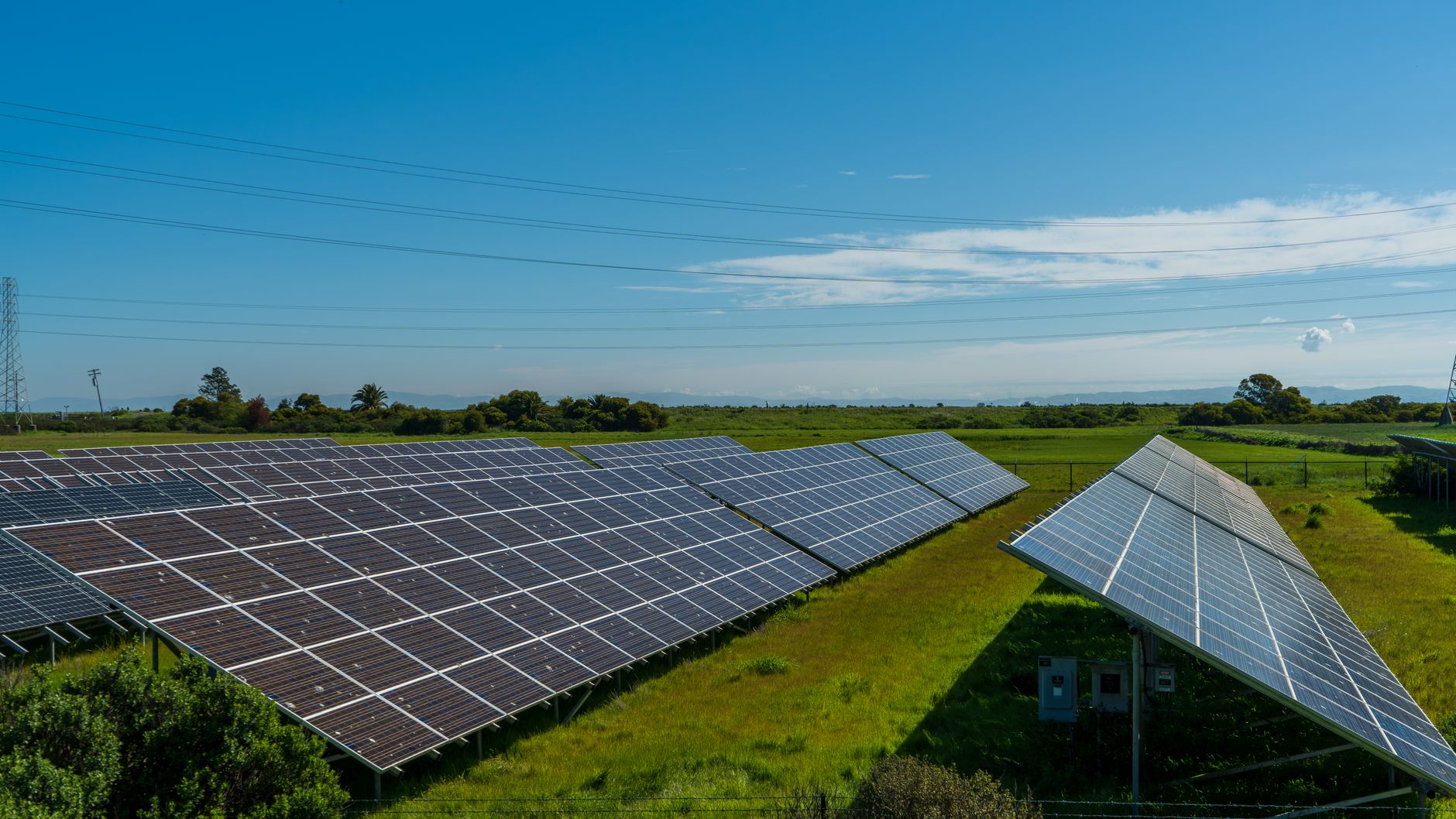
One of the key drivers behind this shift is the growing mismatch between renewable energy supply and electricity demand. Solar and wind power often produce energy at times that do not coincide with peak consumption, a challenge widely documented by the National Renewable Energy Laboratory. By aligning data center activity with periods of high renewable output, operators could absorb excess clean energy that might otherwise go unused.
However, the transition is not without challenges. Data centers are typically bound by service-level agreements that guarantee performance and uptime. Introducing flexibility into these operations requires careful planning to ensure that customer expectations are still met. In addition, relocating or rescheduling workloads across regions and time zones can introduce latency and complicate data governance requirements.
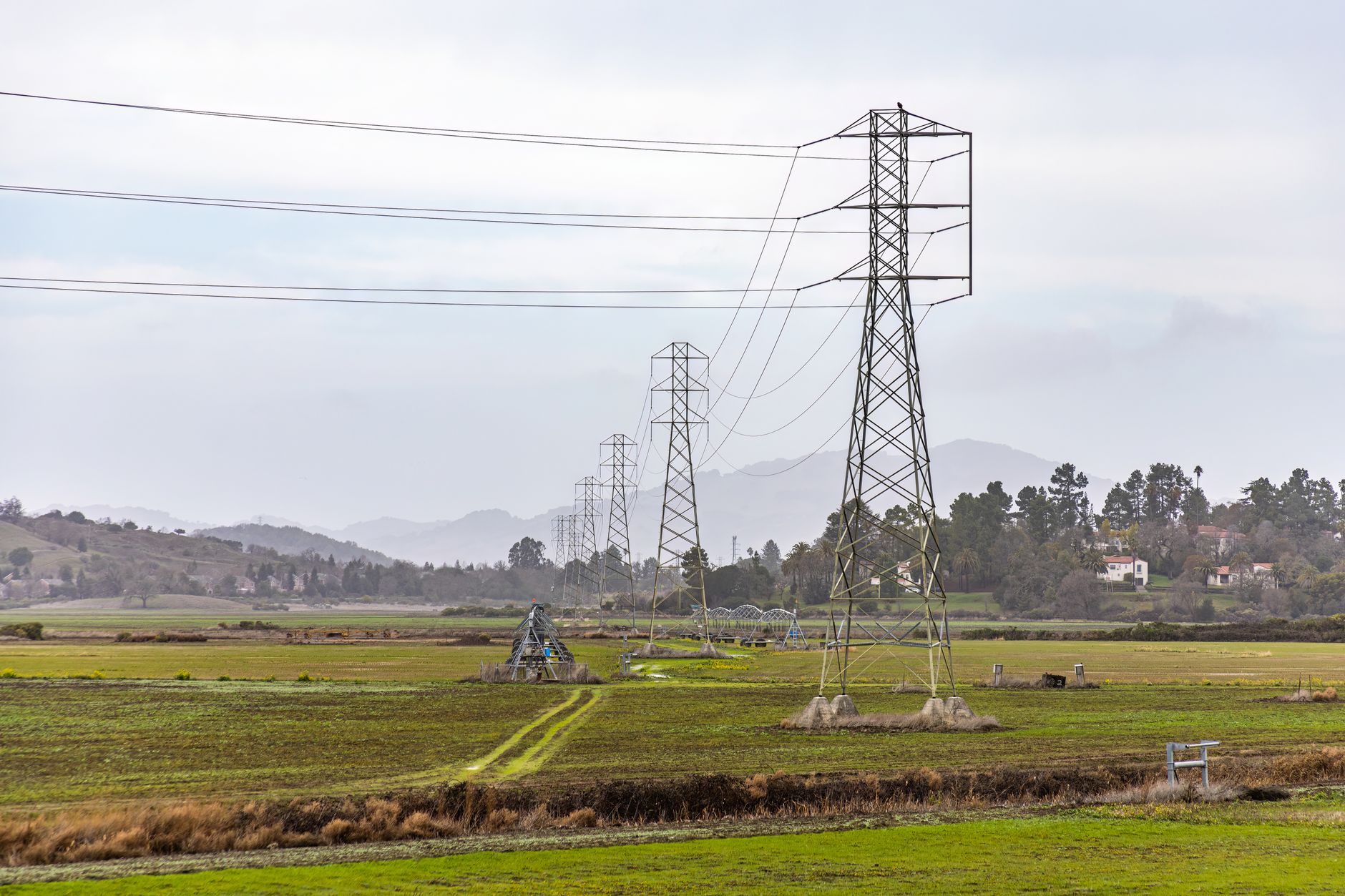
There are also broader infrastructure considerations. Power grids would need to support more dynamic interactions with large energy consumers, potentially requiring new pricing mechanisms or incentives such as demand response programs to encourage off-peak usage. Policymakers and utilities may play a role in facilitating these changes, particularly as governments seek to balance digital growth with climate targets.
Despite these hurdles, the potential benefits are substantial. Reducing peak demand can lower the need for additional power generation capacity, ease strain on existing infrastructure, and decrease reliance on fossil fuel-based energy during high-demand periods. For data center operators, shifting workloads could also translate into significant cost savings, particularly in regions where electricity pricing varies by time of use, as explained by the U.S. Energy Information Administration.
As digital services continue to expand, the question of how to power them sustainably is becoming increasingly urgent. The ideas outlined in Tech Xplore’s article point to a future in which computing is not only more efficient, but more responsive to the rhythms of the energy system itself.