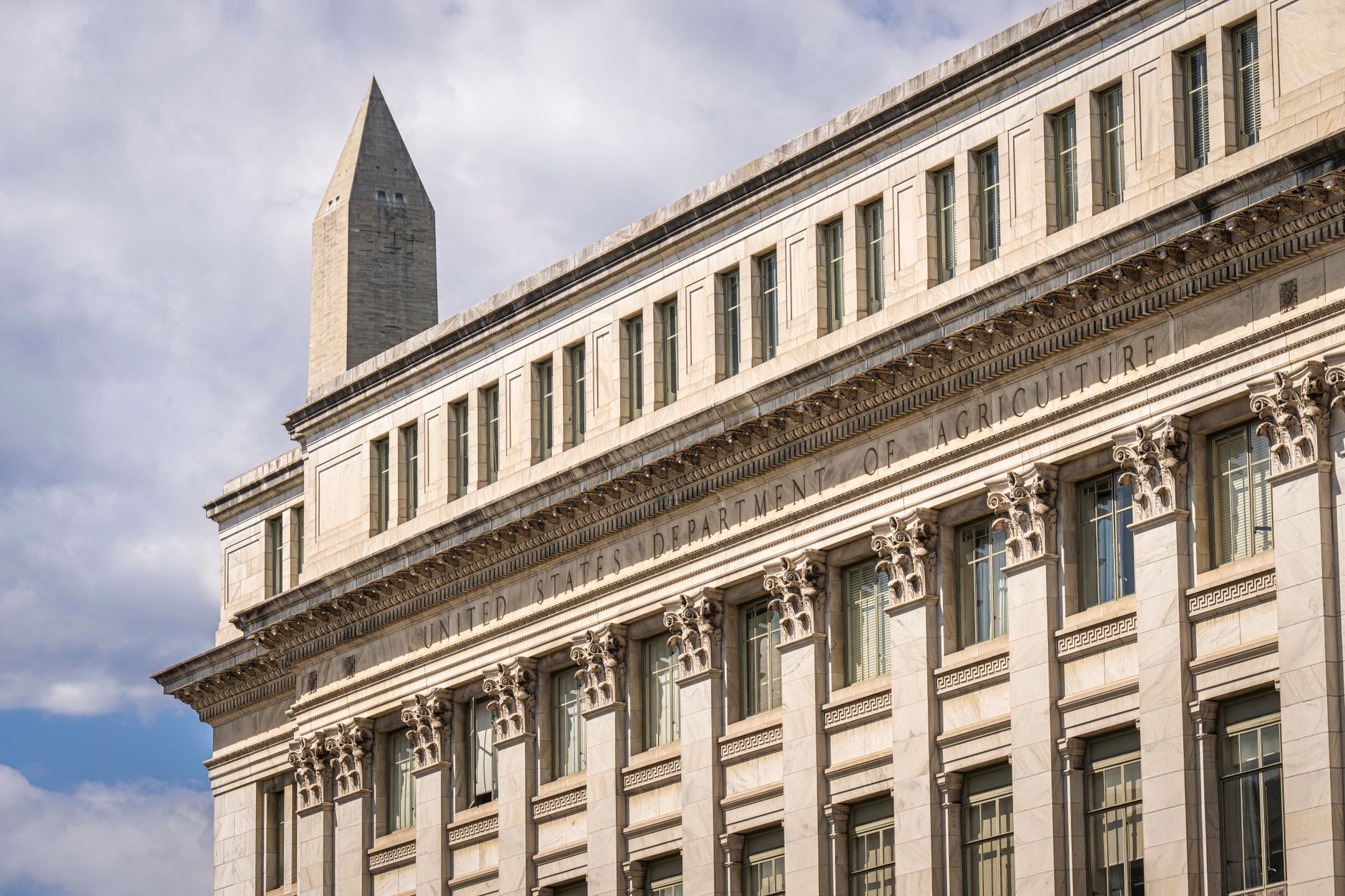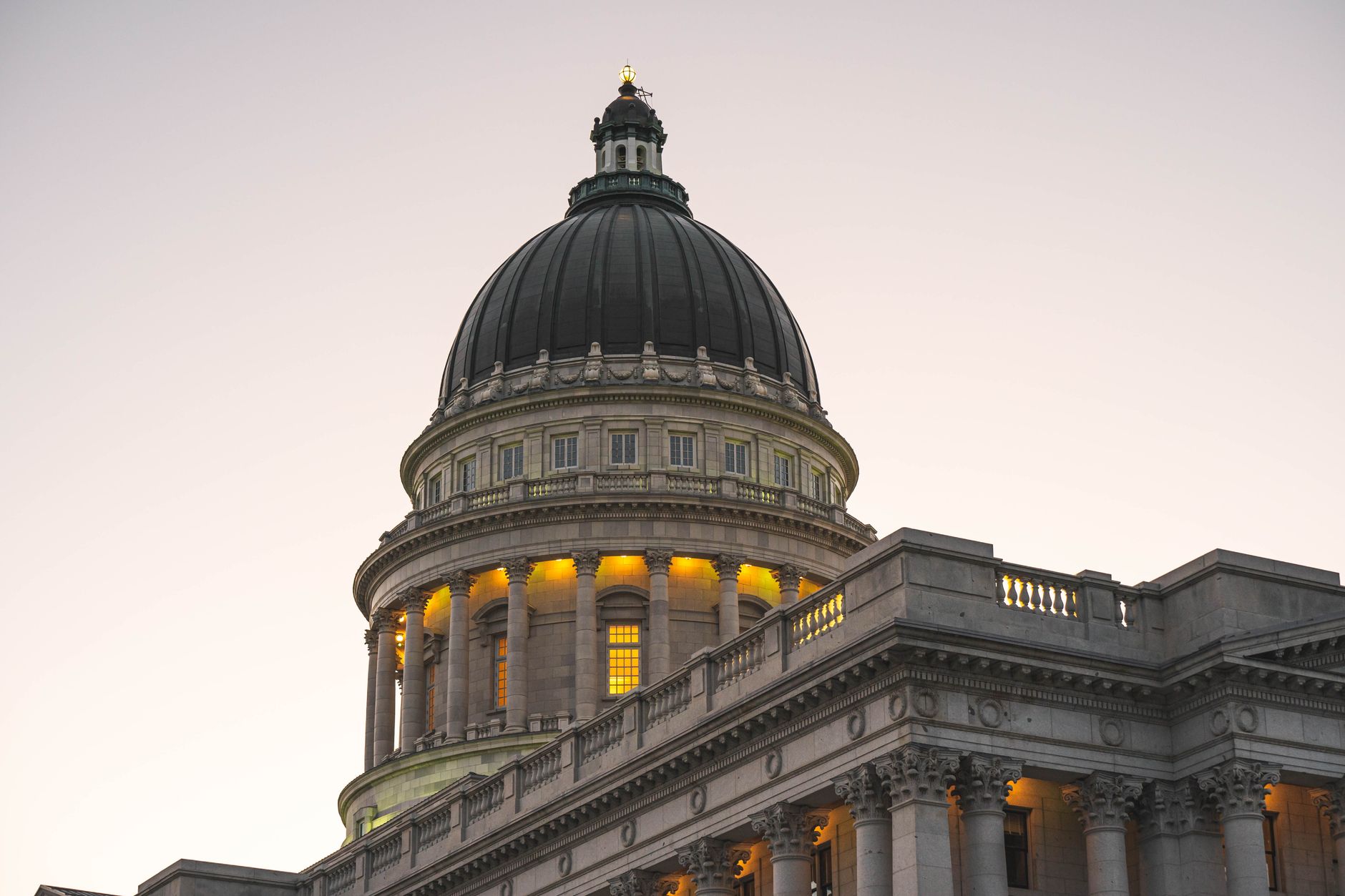
A group of US senators is demanding that federal regulators shut down prediction markets that allow traders to place financial bets on wildfire damage — a practice lawmakers say is not just morally offensive but potentially dangerous for communities already living in disaster-prone regions. The push represents one of the sharpest government challenges yet to the rapidly expanding world of event-based trading platforms, an industry that has grown aggressively since regulators allowed broader political and event contracts in recent years. For anyone tracking how agentic AI security and algorithmic systems are reshaping financial risk, this fight carries real implications.
According to Ars Technica’s report on the controversy, the senators directed their letter at the Commodity Futures Trading Commission, urging the agency to treat wildfire prediction contracts as contrary to the public interest. The argument is straightforward: when traders profit from catastrophic fire spread, the financial incentive structure becomes deeply misaligned with the interests of people whose homes and lives are in the path of those fires.
Betting Markets Move Into Disaster Territory
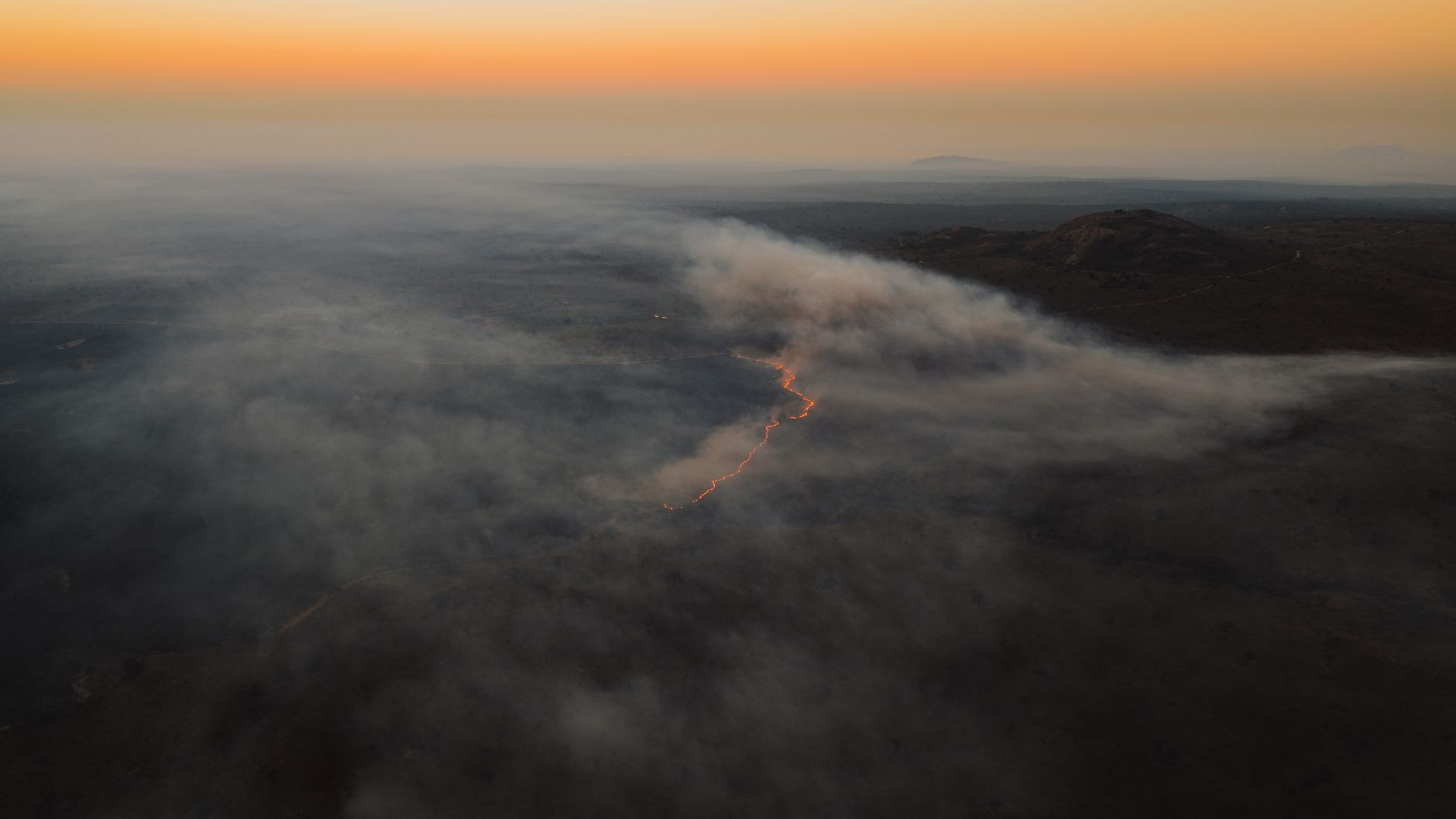
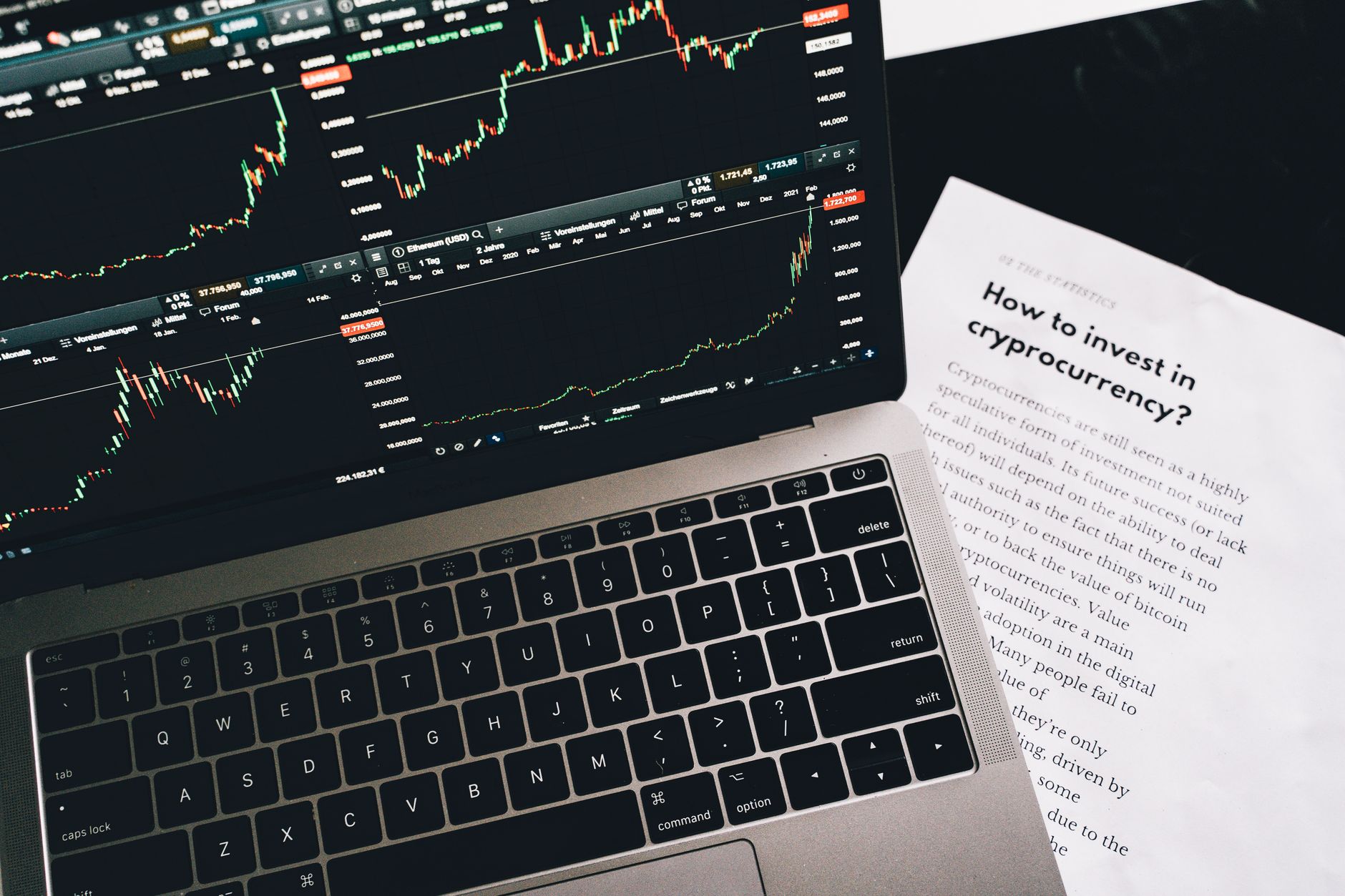
Prediction markets have surged in legitimacy and volume following high-profile elections cycles where platforms like Kalshi and Polymarket attracted hundreds of millions of dollars in trading volume. The CFTC has been the primary regulatory gatekeeper, and its decisions about which contracts are permissible have struggled to keep pace with the creativity of platform operators looking for new event categories to monetize. Wildfire contracts — which can allow users to bet on acreage burned, containment timelines, or whether specific regions will be declared federal disaster areas — represent a natural, if troubling, extension of that logic.
Senators pushing for the crackdown argue the contracts cross a line that separates legitimate hedging and forecasting tools from instruments that effectively gamify human suffering. Critics of the ban counter that prediction markets can surface useful probabilistic information about disaster severity, potentially helping emergency managers and insurers price risk more accurately. That argument has found little sympathy on Capitol Hill, where the optics of Wall Street traders winning big on a town burning down are politically toxic heading into another brutal fire season.
The Regulatory Fight That Will Define Event Contracts
The CFTC has broad authority under the Commodity Exchange Act to block contracts it determines are against the public interest, but the agency has historically been reluctant to use that power aggressively against novel financial products. The senators’ letter is intended to force the commission’s hand, framing wildfire markets as a clear-cut case where that public-interest standard should apply. How the CFTC responds will effectively set a precedent for how far event-based platforms can push into catastrophe and human harm as contract categories.
The timing matters. Wildfire seasons have grown progressively more destructive across the American West, with the insurance industry already pulling back from high-risk states and leaving homeowners with few options. Introducing a financial layer where outside investors can profit from that destruction adds a new and volatile variable to an already strained ecosystem. The political pressure on the CFTC is significant — and if the agency declines to act, Congress may move toward explicit legislation barring disaster-based speculation outright. Either way, the era of treating every world event as a tradeable asset class is running headlong into its first serious regulatory wall. Similar scrutiny of how algorithmic systems handle sensitive real-world data has already surfaced in AI red-teaming debates, and the pattern of technology outpacing oversight is becoming a familiar refrain across sectors.