Apple is not known for dramatic year-over-year hardware pivots. It iterates. It polishes. It ships. But if the reporting coming out of The Verge is accurate, the iPhone 18 Pro’s camera system represents something closer to a platform reset than a feature refresh. The sensor architecture, computational pipeline, and AI-driven processing stack are apparently being rebuilt in ways that could redefine what smartphone photography even means by late 2026. For context on how aggressively tech companies are deploying AI at the hardware level, Future Wire’s earlier look at Snap’s Spectacles shows just how fast the race to embed intelligent optics into consumer devices is moving.
The Verge’s podcast deep-dive, titled “The real story of the iPhone 18 Pro’s camera,” goes well beyond the usual spec-sheet recitation. The reporting pulls apart the engineering decisions Apple has been layering in over multiple product cycles — decisions that are now converging into something with real consequences for how the Pro tier justifies its premium price point.
Sensor Overhaul and What It Actually Unlocks
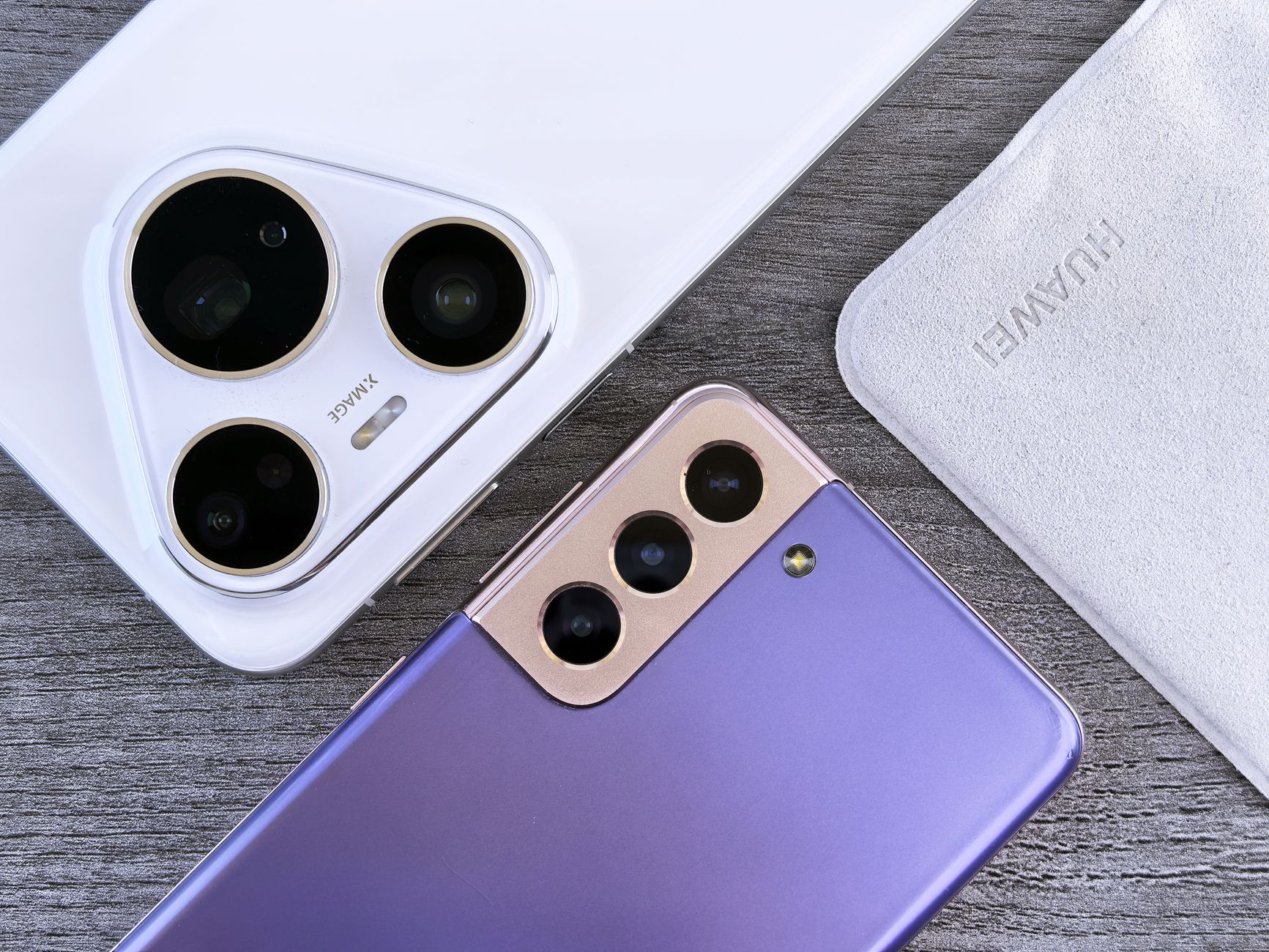
The central claim in The Verge’s reporting is that the iPhone 18 Pro isn’t just getting a larger sensor — it’s getting a fundamentally different sensor architecture designed to capture dramatically more light in low-visibility conditions. That kind of change has compounding effects. More light data at capture means less noise for the computational photography stack to correct later, which means the AI processing layer is starting from a cleaner signal rather than trying to reconstruct detail that was never there to begin with.
This matters because Apple’s current computational photography pipeline — already one of the most sophisticated in consumer hardware — has been hitting limits defined by the physical sensors beneath it. Software can only compensate so much for hardware constraints. A sensor redesign at this level gives the entire system more room to breathe, and based on The Verge’s account, Apple engineers have spent considerable time ensuring the two layers — silicon and software — are co-optimized rather than developed in parallel silos.
The AI Pipeline Is Doing Heavier Lifting Than Before
What makes the iPhone 18 Pro story genuinely interesting isn’t just the optics hardware — it’s how deeply Apple has embedded on-device machine learning into every stage of the image processing chain. The Verge’s reporting describes a system where AI is not a finishing pass applied after capture, but an active participant in decisions made during capture: how the sensor exposes, how frames are stacked, how motion is predicted and compensated for in real time.
That is a meaningful architectural shift. It implies Apple has been tuning the Neural Engine inside the A-series chip specifically for camera workloads, not just for Siri and on-device language tasks. The question the industry will be asking is whether Android flagship makers — Samsung, Google, and others operating their own custom silicon — can close that co-optimization gap. Based on The Verge’s framing, Apple has been building this moat quietly across several product generations, making the iPhone 18 Pro less of a surprise announcement and more of an inevitable destination.

What This Means for the Competitive Landscape
Apple does not compete on specs alone — it competes on the integration story. The iPhone 18 Pro camera, as described by The Verge, is the clearest expression yet of that strategy: custom silicon, proprietary sensor work, and a machine learning stack all pulling in the same direction. That kind of vertical integration is extraordinarily difficult for competitors to replicate quickly. It also raises the floor for what a flagship camera phone is expected to deliver, which eventually cascades down to mid-range devices and changes consumer expectations across the entire market.
For the broader AI hardware race — a space Future Wire has been tracking closely, including the debate around AI control frameworks shaping how inference runs at the edge — the iPhone 18 Pro’s camera is a useful case study. It shows what happens when a company treats on-device AI not as a feature to market but as infrastructure to build. The result, if The Verge’s reporting holds up when Apple takes the stage, could be the most consequential camera upgrade the Pro line has seen in years.