Fitting technology company MySize just posted numbers that would make most retail-adjacent startups envious. The company recorded 53% year-over-year revenue growth in the second quarter of 2026, according to PR Newswire reporting on the company’s latest financial results. That kind of growth trajectory doesn’t happen by accident — it signals that MySize’s bet on building a unified, AI-powered fashion platform is beginning to pay off in real revenue terms, not just product roadmap promises. For anyone watching the intersection of artificial intelligence and e-commerce infrastructure, this is a data point worth tracking closely, much like the broader debate over AI platform dominance playing out at the geopolitical level.
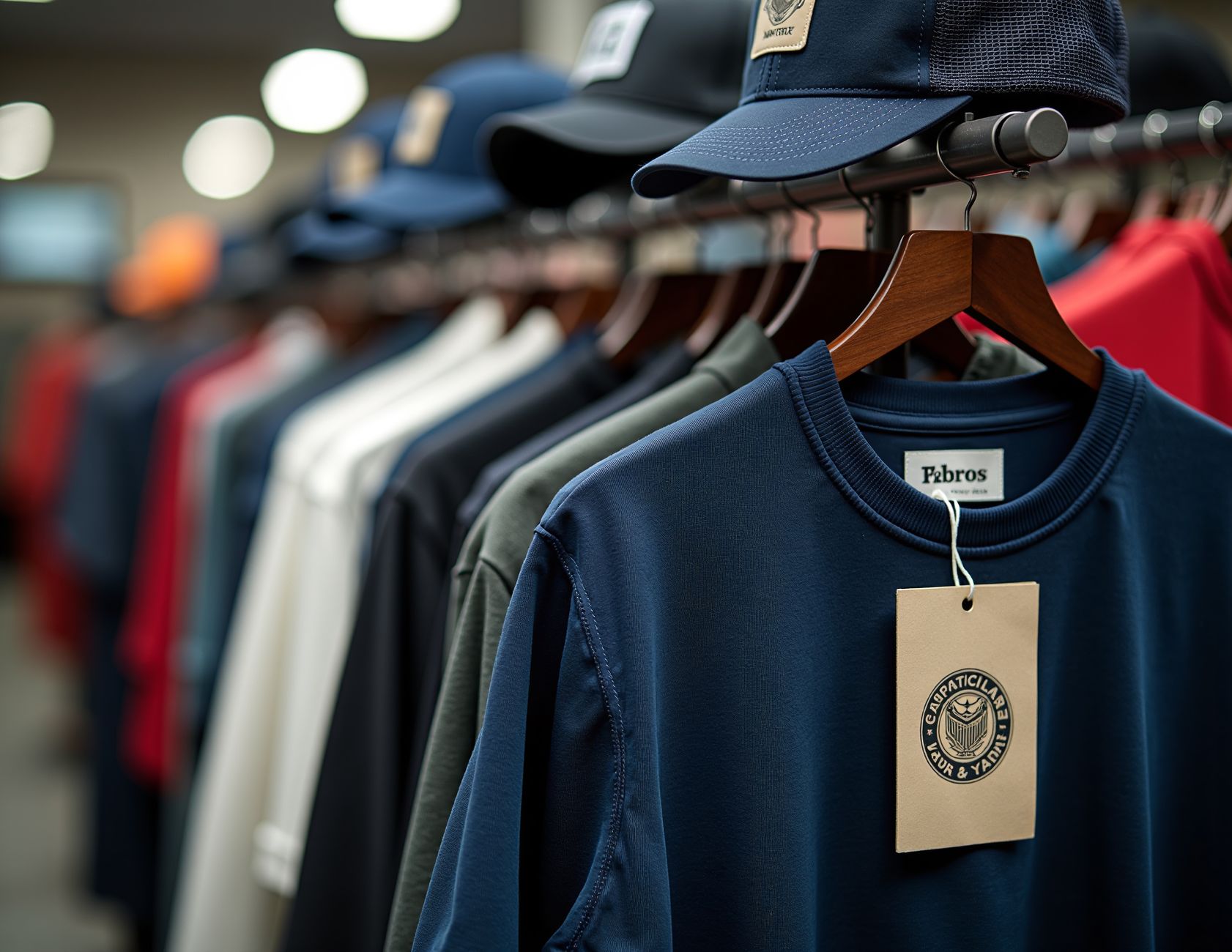
MySize operates through what it describes as an integrated fashion platform, combining its core AI-based measurement and sizing technology with adjacent retail and logistics services. The company has been working to scale this platform across multiple business units, and Q2 2026 marks a meaningful inflection point where the consolidation strategy appears to be translating into accelerating top-line performance.
What the 53% Growth Figure Actually Reflects
The headline number is striking, but the story underneath it is about platform integration. MySize has been threading together its Naiz Fit, Shelly, and BoxSize business units into a cohesive offering that serves fashion brands, retailers, and logistics providers simultaneously. Rather than running disconnected point solutions, the company is pitching a full-stack answer to one of e-commerce’s most persistent problems: returns driven by sizing errors. The fashion industry loses billions annually to fit-related returns, and MySize is positioning its AI measurement engine as the fix at the source.
The Q2 2026 results suggest that pitch is resonating with enterprise buyers. Growing at 53% year over year in a segment where most players are fighting for incremental gains puts MySize in a different conversation. The company has not disclosed specific gross revenue figures for the quarter in the release, but the growth rate itself reflects sustained commercial momentum across its platform units. For context, that kind of acceleration typically indicates either significant new customer wins, expanded deployment with existing accounts, or both — and MySize’s integrated model creates natural upsell pathways across all three of its core verticals.

Why the Platform Model Changes the Competitive Math
What differentiates MySize from narrower sizing-tech players is the deliberate decision to build across the value chain. Naiz Fit handles the consumer-facing measurement and fit recommendation layer. Shelly brings an AI-driven styling and retail engagement component. BoxSize targets dimensional weight optimization in shipping — a backend efficiency play that appeals directly to brands trying to cut logistics costs. Together, these units give MySize multiple contract entry points with a single retail or fashion client, making the platform stickier and the revenue profile more defensible.
That architecture also changes how investors and potential partners should evaluate the company. MySize is not a single-feature SaaS vendor waiting to be commoditized by a larger platform. It is building leverage across the entire path from a shopper choosing a size to a package being shipped at optimal dimensions. In a market where fashion brands are aggressively hunting for AI tools that reduce returns without sacrificing conversion, that integrated proposition is genuinely differentiated. The Q2 2026 results suggest the market is beginning to agree — and 53% year-over-year revenue growth is one of the cleaner ways a company can make that argument without relying on slide decks.